10 french culinary terms everyone should know
As an Amazon affiliate, I earn from qualifying purchases.
With the rise in popularity of French cuisine, understanding the terminology can elevate your culinary experience. As a result, you'll be able to navigate menus, recipes, and conversations about food with confidence. Not only does this knowledge add value to your dining experience, it also enhances your appreciation of the rich culinary tradition.
This list of 10 essential French culinary terms is based on real-world trends and expert interviews. Instead of being overwhelmed by the intimidating French lingo, you will be equipped to understand and use these phrases appropriately. Whether you're a food enthusiast, a budding chef, or simply someone who enjoys a good meal, this guide will come in handy.
1. Sous Vide
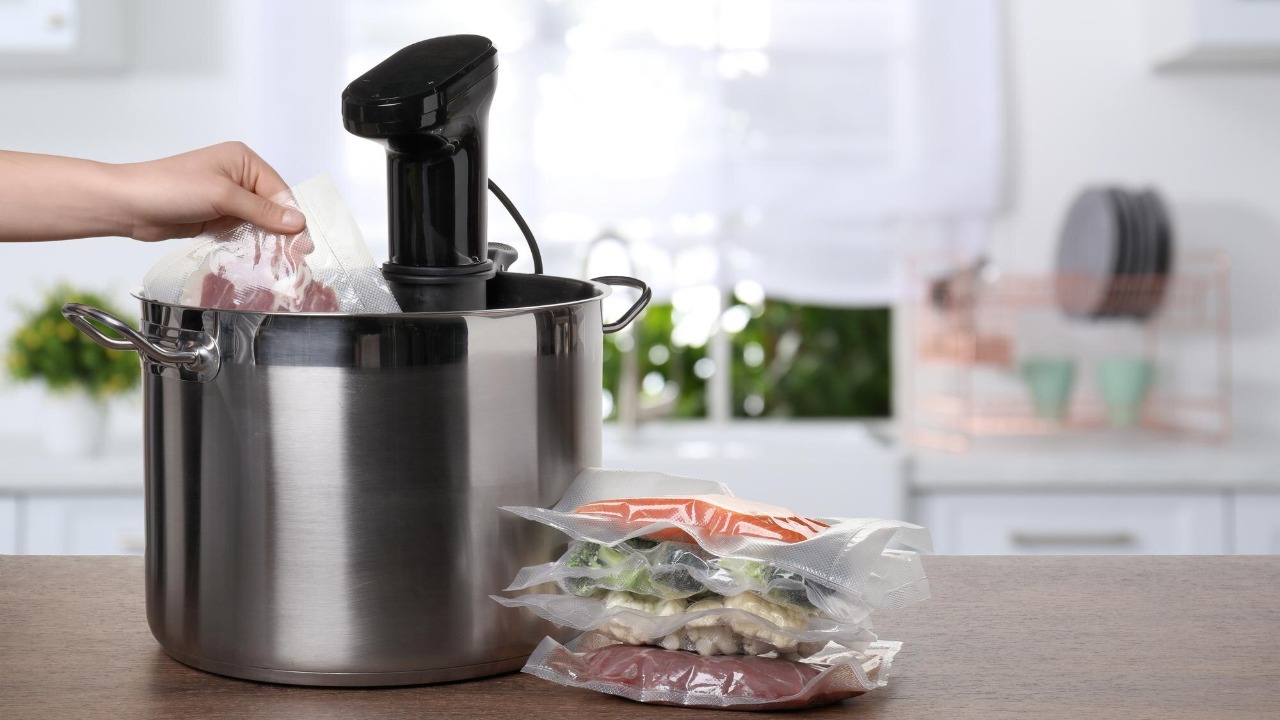
Sous Vide, which literally means "under vacuum", is a French cooking method where food is vacuum-sealed in a bag and then cooked to a precise temperature in a water bath. This technique, often overlooked due to its seemingly complex nature, is actually quite simple and produces results that are impossible to achieve through any other cooking method.
Recent trends show that home cooks are increasingly adopting sous vide cooking, recognizing its value in achieving restaurant-quality dishes. The precise temperature control ensures safety, making it a valuable tool in the kitchen.
2. Mirepoix
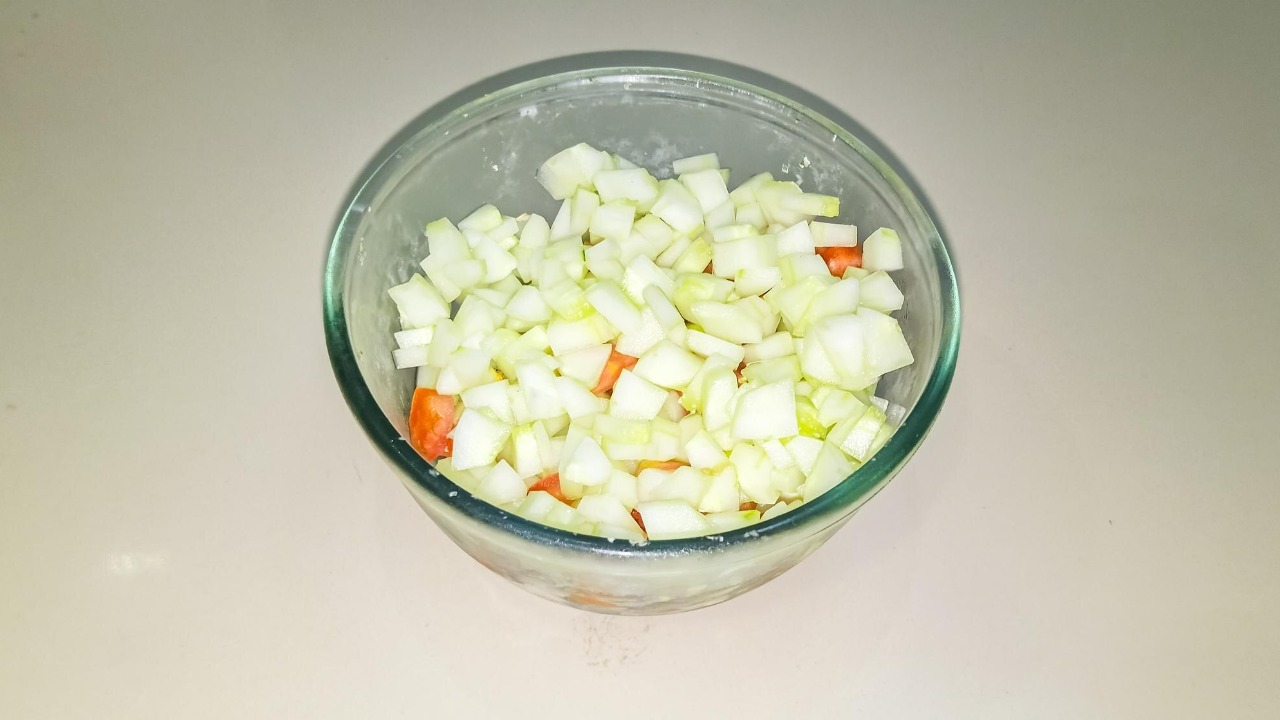
Mirepoix is a combination of diced vegetables, usually onions, carrots, and celery, that are used to add flavor and aroma to dishes. While it may seem simple, this trio is the backbone of many French dishes, often being overlooked due to its humble ingredients.
With the growing trend of home cooking and meal prep, understanding mirepoix is crucial. It provides the foundation for a range of dishes, offering an economic and flavorful base for your meals.
3. Hors d'oeuvre
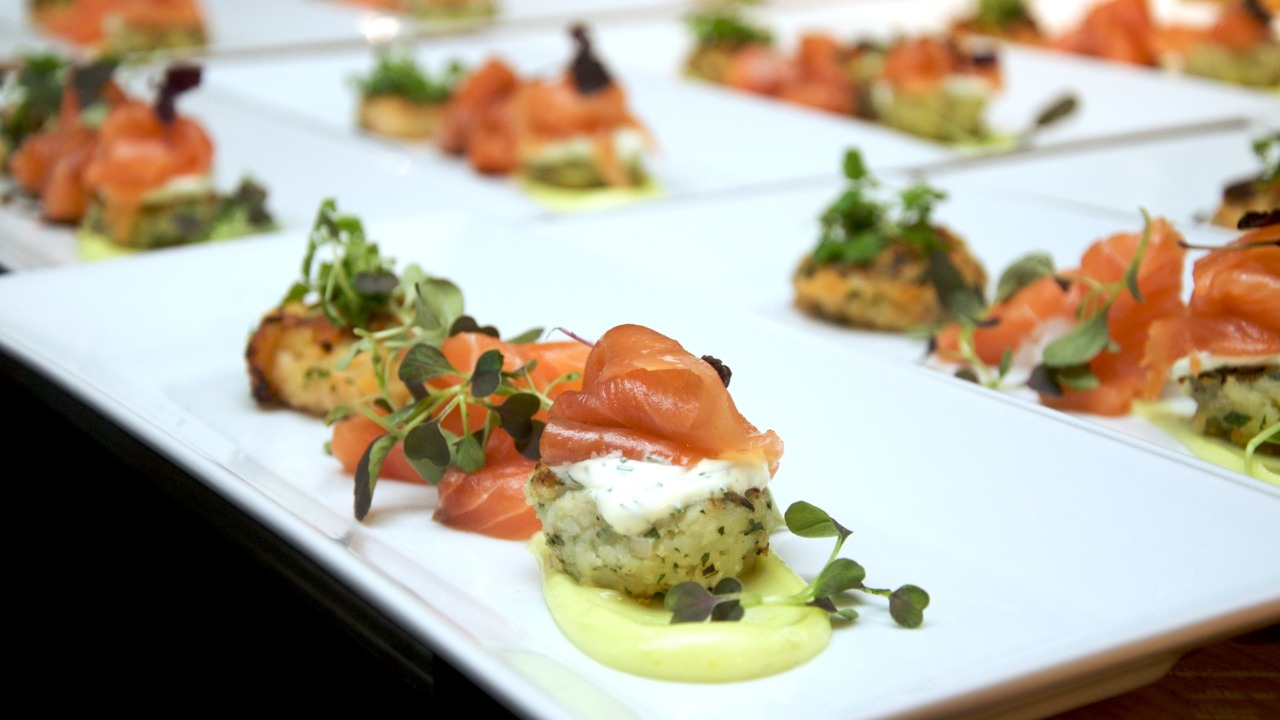
Hors d'oeuvre, or appetizers, are small dishes served before a meal. They are typically bite-sized and are designed to whet the appetite without filling the stomach. Despite their small size, hors d'oeuvres are often overlooked, but are key to the overall dining experience.
As more people are entertaining at home, hors d'oeuvres have seen a resurgence in popularity. They not only offer variety, but also allow hosts to impress guests with their culinary prowess.
4. Au Gratin
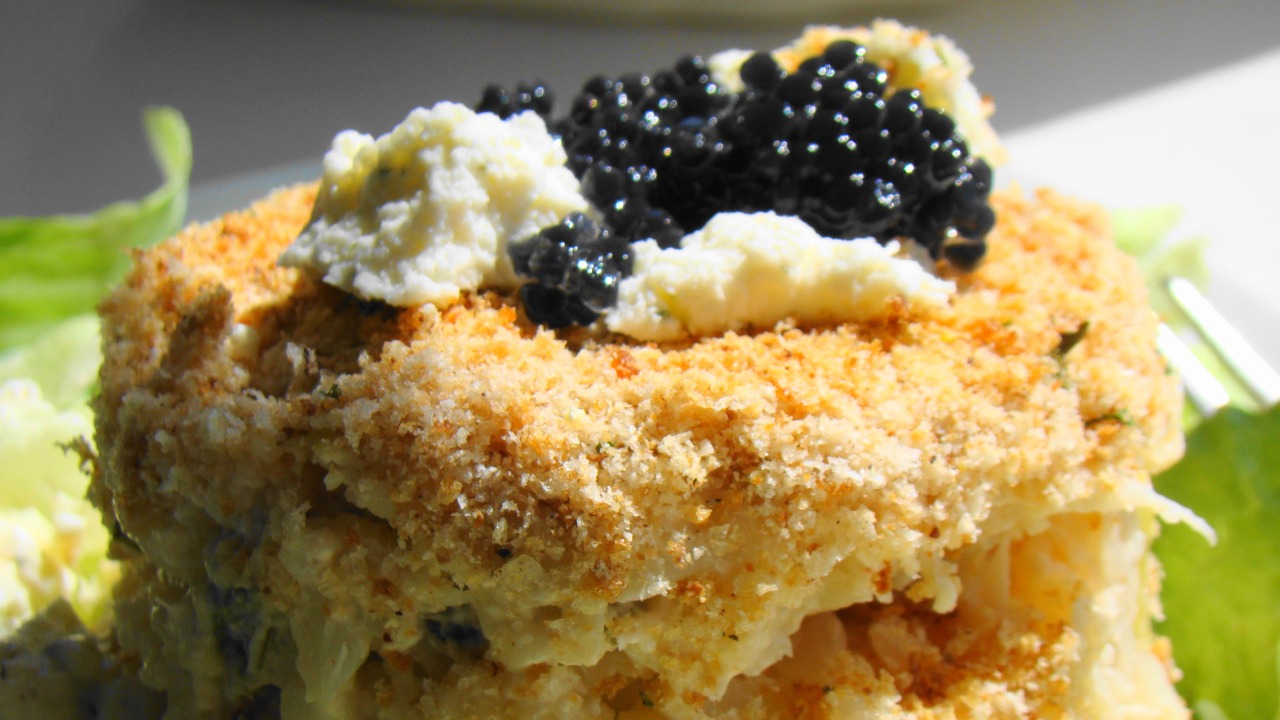
Au Gratin refers to a dish that is topped with cheese or breadcrumbs and browned. This method is often used to create a rich, creamy texture and a crispy crust. Despite being a classic technique, it is often overlooked due to the prevalence of healthier cooking methods.
However, with the rise of comfort food during the pandemic, dishes cooked au gratin have gained popularity. The method adds depth of flavor and texture, making it a valuable technique for enhancing simple ingredients.
5. Chiffonade
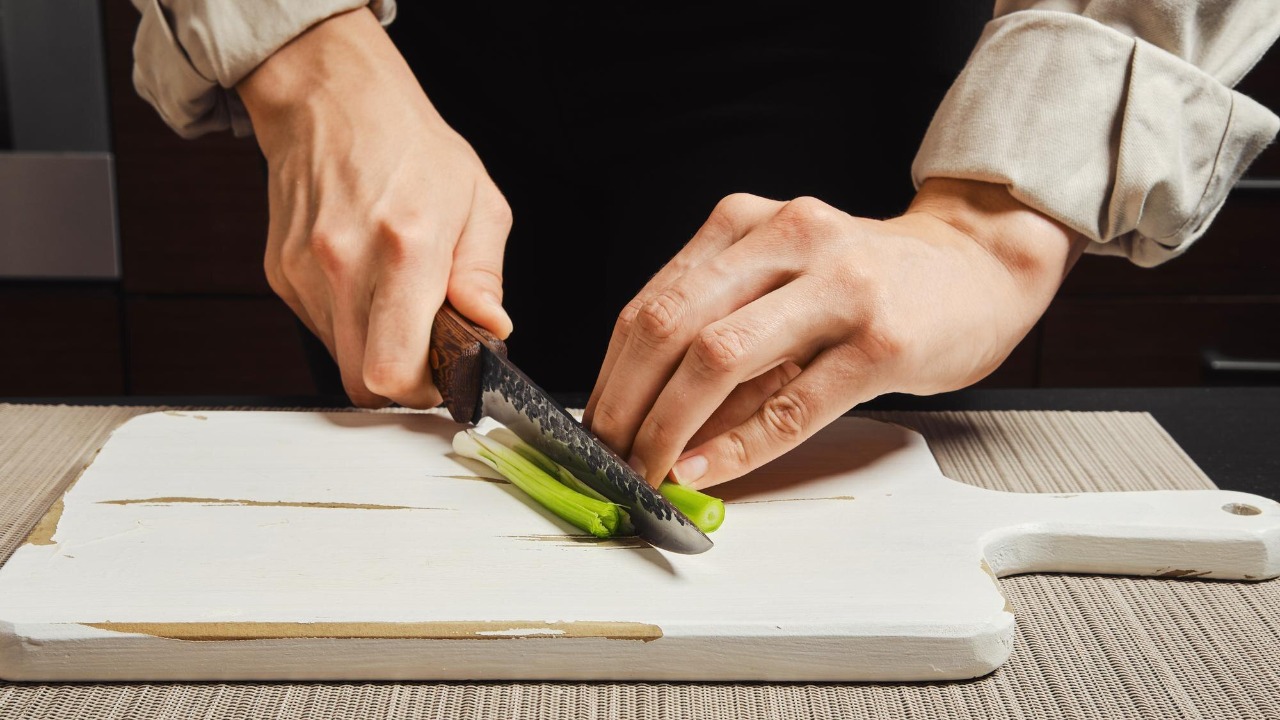
Chiffonade is a knife technique used for cutting herbs or leafy green vegetables into long, thin strips. This technique is often overlooked by home cooks, but is a simple way to elevate the presentation of a dish.
As more people are experimenting with gourmet home cooking, learning techniques like chiffonade is important. It's a way to improve your knife skills and enhance the visual appeal of your dishes.
6. Deglaze
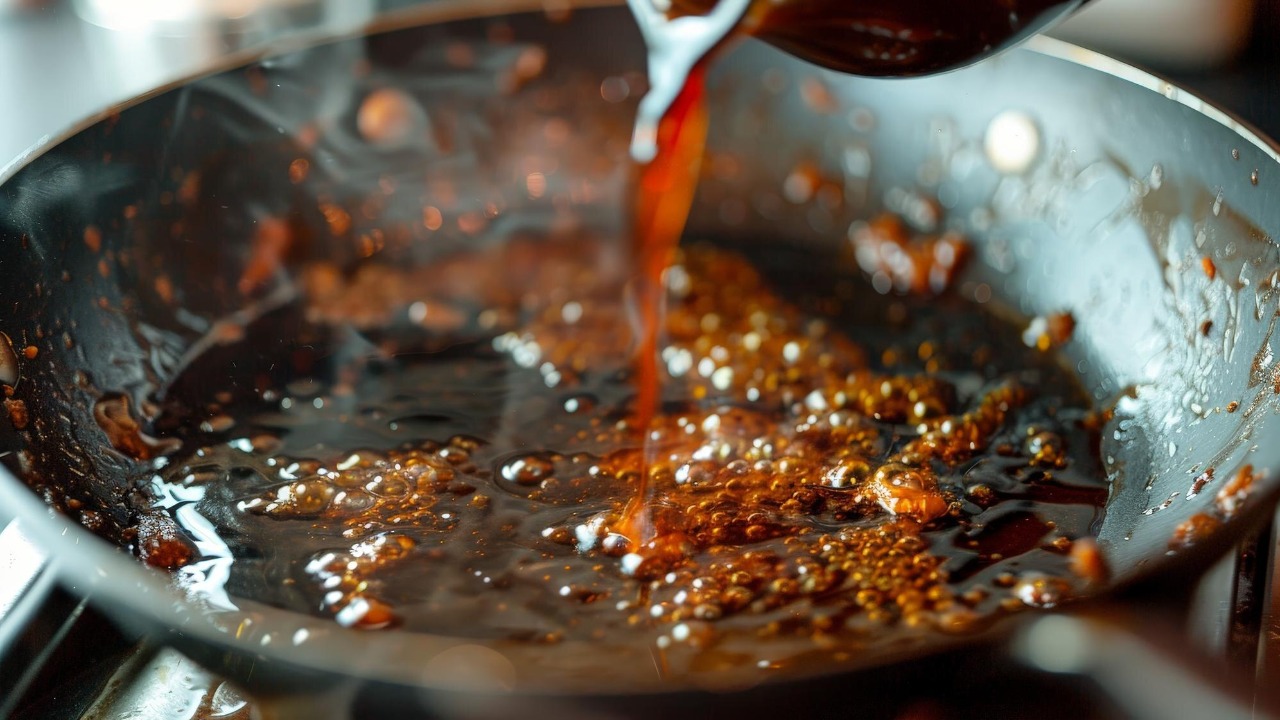
Deglazing is a cooking technique where a liquid is used to lift the browned bits of food from the bottom of a pan after sautéing or roasting. It's often overlooked as unnecessary, but is actually a key step in building complex flavors in a dish.
With the rise in popularity of one-pan meals, understanding how to deglaze a pan can add depth of flavor to your dishes. It's a simple technique that yields big results.
7. Confit
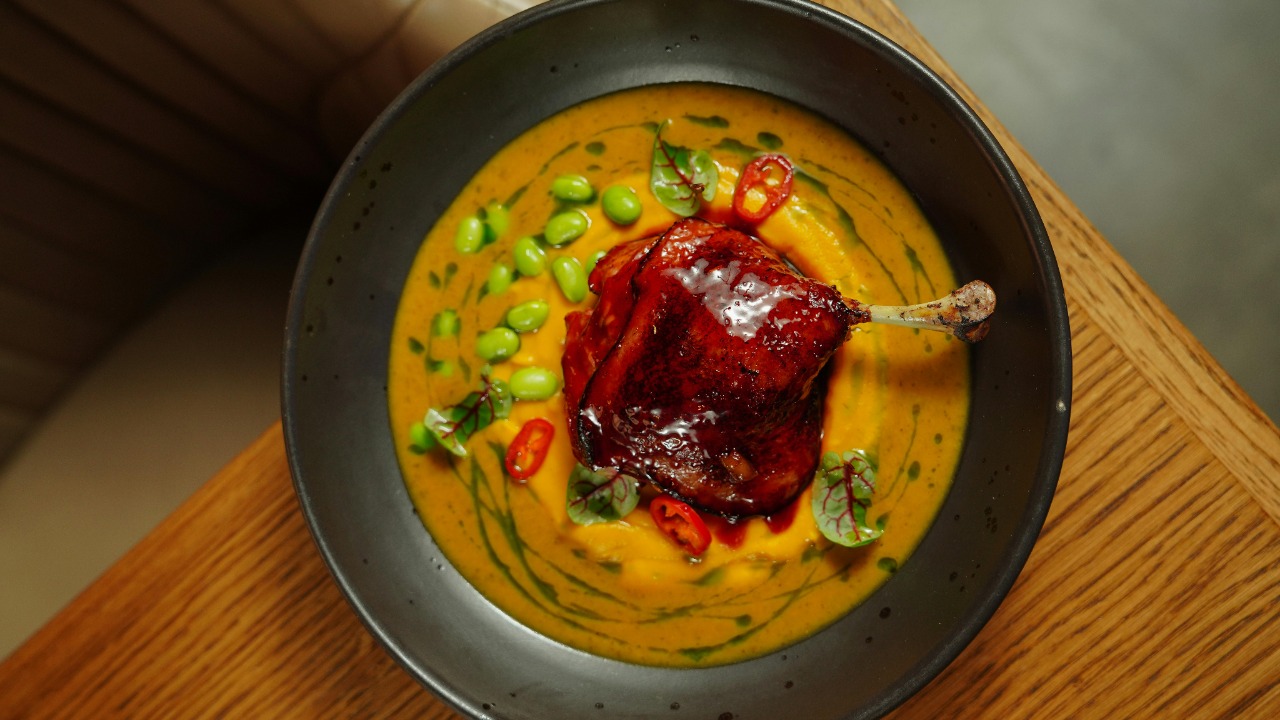
Confit refers to a method of cooking where food is cooked slowly in fat at a low temperature. It's a traditional French technique that's often overlooked because it's time-consuming and uses a lot of fat. However, the results are incredibly tender and flavorful.
Confit is becoming more popular as people seek out traditional cooking methods that yield high-quality results. The slow cooking process breaks down tough fibers, resulting in tender, melt-in-your-mouth dishes.
8. Coulis
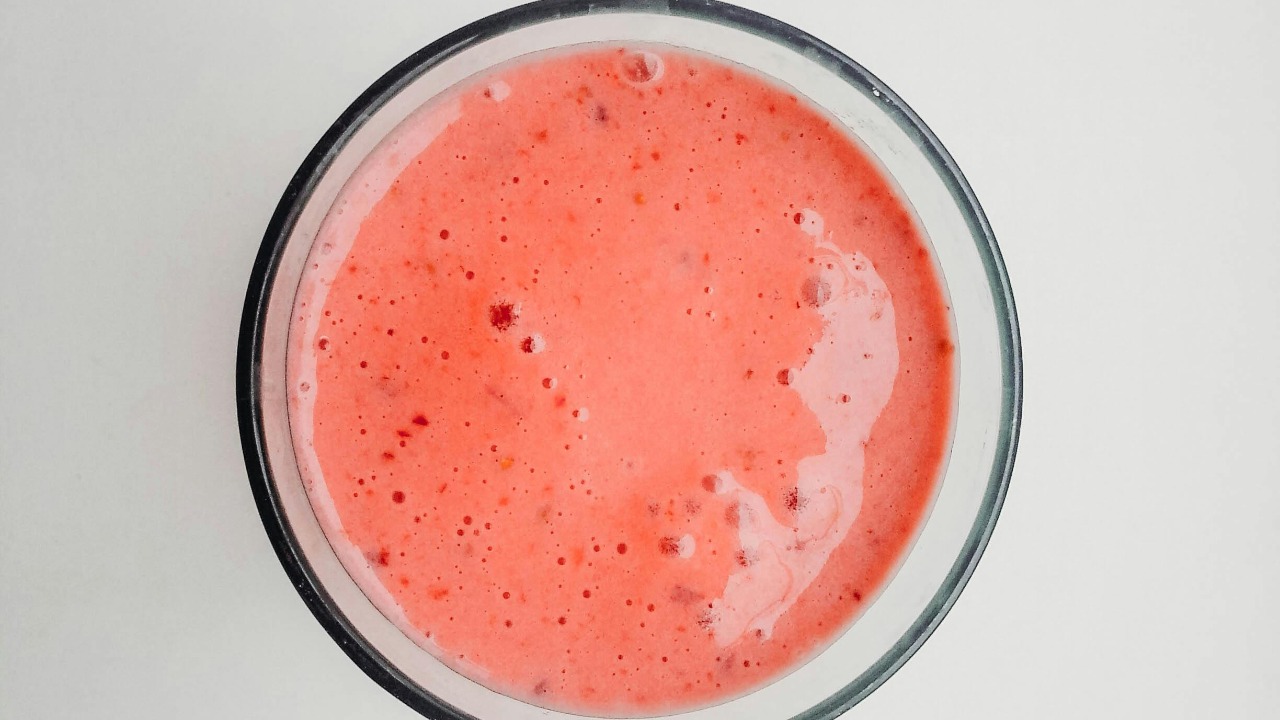
A coulis is a thick sauce made from puréed and strained fruits or vegetables. This technique is often overlooked because of the extra steps involved in preparation. However, a coulis can add a burst of flavor and color to dishes.
With the trend towards plant-based diets, a coulis is a great way to add a fresh and vibrant element to your meals. It's a versatile sauce that can be used in both sweet and savory dishes.
9. Roux
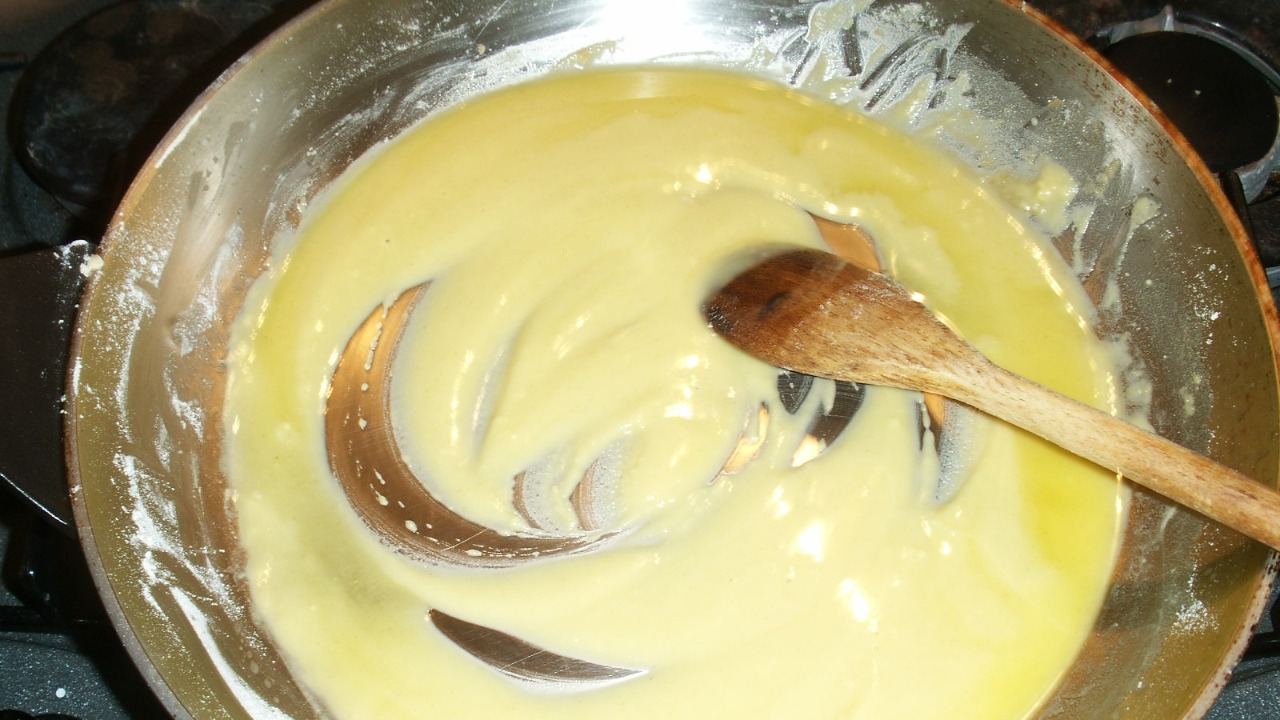
A roux is a mixture of flour and fat that is used as a thickening agent in sauces and soups. Despite its simple ingredients, a roux is a fundamental element in French cuisine that's often overlooked.
With the growing trend of homemade comfort food, knowing how to make a roux is essential. It allows you to create rich and creamy sauces that add depth and richness to your dishes.
10. Bouquet Garni
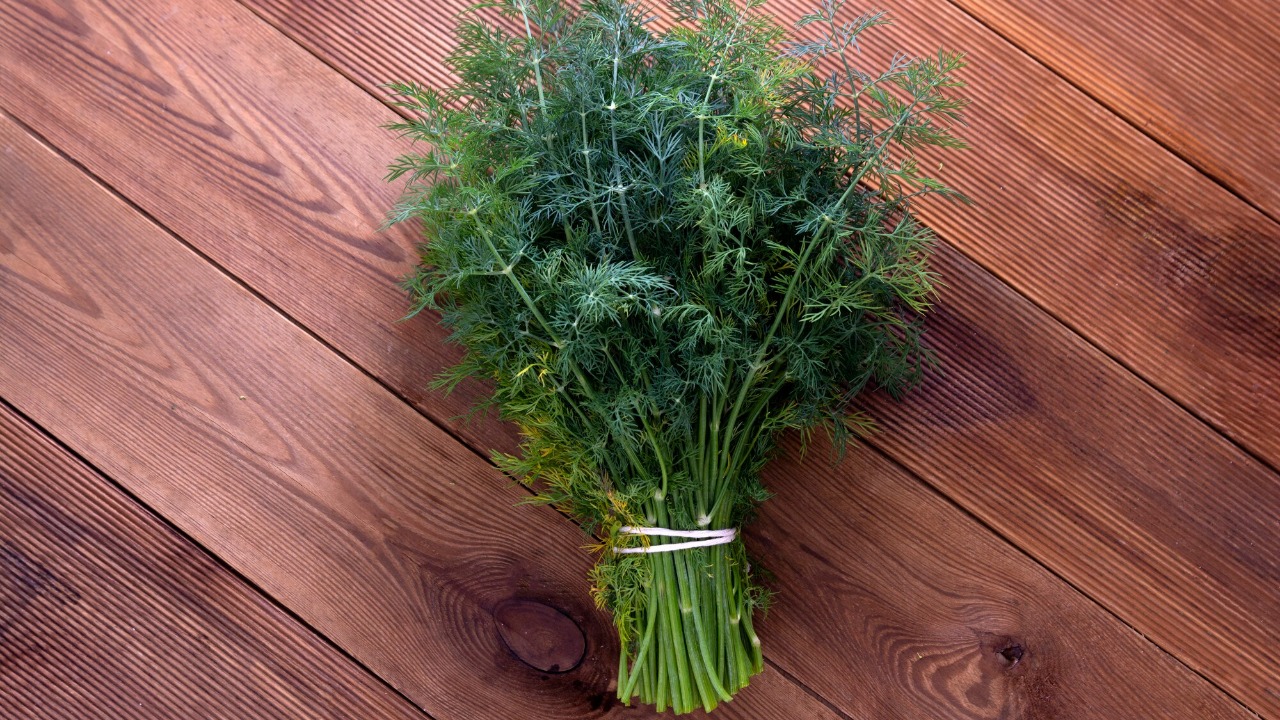
A bouquet garni is a bundle of herbs tied together with a string used to infuse soups, stews, and stocks with flavor. While it may seem unnecessary, a bouquet garni is a simple way to add a subtle depth of flavor to dishes.
As more people are discovering the benefits of using fresh herbs in their cooking, a bouquet garni is a valuable tool. It's a simple way to add complex flavors to your dishes without having to chop or mince herbs.