
10 French herbs to grow for classic cuisine
As an Amazon affiliate, I earn from qualifying purchases.
French cooking is famous for its balance of flavor, and much of that magic comes from fresh herbs. From the subtle depth of tarragon to the brightness of parsley, these plants are the foundation of sauces, stews, and roasts that have defined classic cuisine for centuries.
Growing them at home not only gives you a ready supply of authentic flavor but also connects you to the same traditions that shaped the kitchens of France. Here are 10 French herbs worth planting if you want to bring timeless dishes to life.
Tarragon
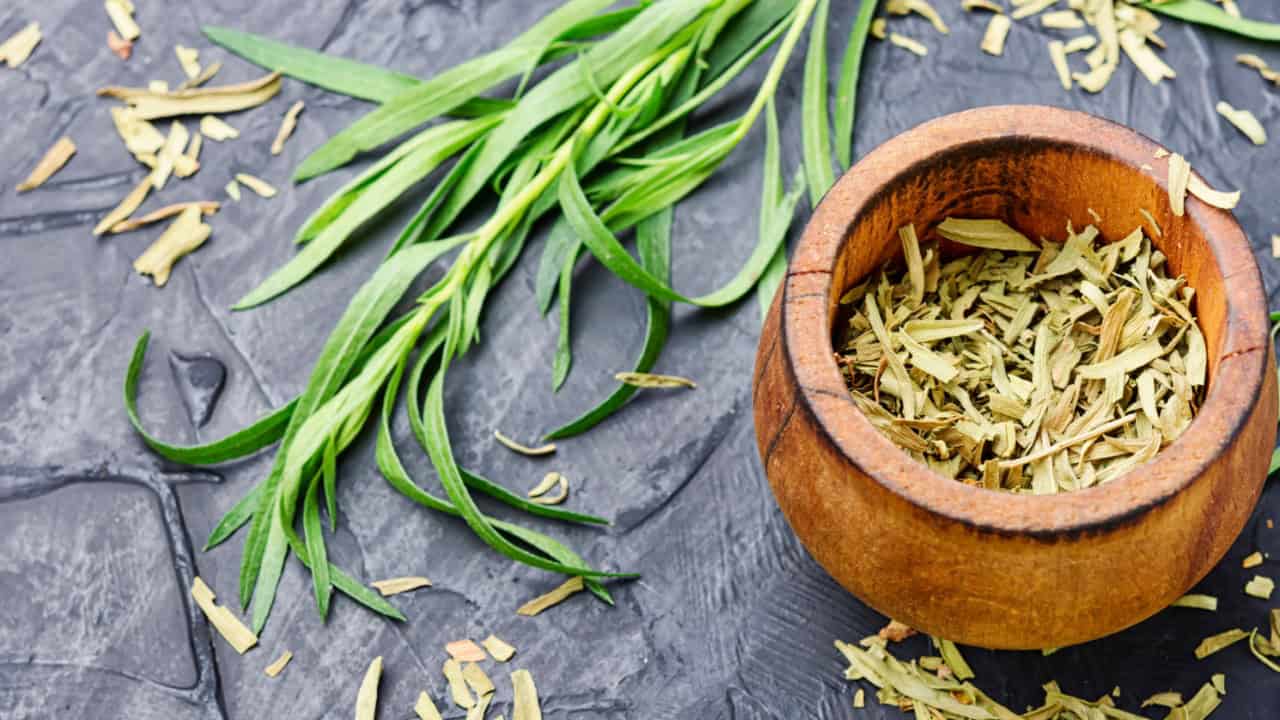
Tarragon, also known as Artemisia dracunculus, is a staple herb in French cuisine. Its distinctive, slightly sweet flavor enhances chicken, fish, and egg dishes, and it’s a crucial ingredient in the classic Béarnaise sauce. Yet, many home cooks tend to overlook it in favor of more familiar herbs like basil or parsley.Fresh tarragon is easy to grow and maintain, making it an excellent addition to a home garden. Having this herb at your fingertips brings authentic French flavor right into your kitchen.
Thyme

Thyme, or Thymus vulgaris, is an essential French herb with a strong, earthy flavor. It’s a versatile addition to stews, roasts, and vegetable dishes, and is often part of the bouquet garni, a traditional French herb bundle. Though sometimes underappreciated, thyme is both flavorful and highly adaptable.Beyond its culinary uses, thyme is valued for its potential health benefits and its ability to thrive in even small, sunny garden spaces.
Parsley

Parsley, or Petroselinum crispum, adds brightness and freshness to countless French dishes. It’s often used in sauces, soups, and as a garnish. Though widely available in stores, growing parsley at home provides more vibrant flavor and a continuous supply.Parsley is also rich in vitamins A, C, and K, making it both a culinary and nutritional asset in the garden.
Chervil

Chervil, or Anthriscus cerefolium, is a delicate herb with a mild, slightly sweet flavor. It’s a key part of fines herbes, a traditional French blend often added at the end of cooking to preserve its subtle taste. Though not as commonly grown as other herbs, chervil is easy to cultivate and adds elegance to any dish.Its feathery leaves bring both beauty and flavor, making it a hidden gem in the herb garden.
Sage

Sage, or Salvia officinalis, has a bold, peppery flavor that pairs beautifully with meats, stuffings, and rich French dishes. Though sometimes overshadowed by herbs like rosemary, sage holds a valued place in traditional cooking.It’s also hardy and resilient in the garden, offering not just culinary use but also potential health benefits thanks to its antioxidant properties.
Lavender

Lavender, or Lavandula, is prized for both its fragrance and flavor. In French cuisine, it appears in sauces, stews, desserts, and even herbal teas. While often grown as an ornamental plant, lavender offers a unique culinary twist when harvested fresh.It’s also drought-tolerant, making it as practical for the garden as it is beautiful.
Bay Leaves

Bay leaves, or Laurus nobilis, bring depth and aroma to soups, stews, and sauces. Most people use them dried, but fresh bay leaves from your own plant offer a more vibrant, complex flavor.The bay tree itself is also attractive, making it both a culinary and decorative addition to the garden.
Rosemary

Rosemary, or Rosmarinus officinalis, is a fragrant, woody herb with a distinctive flavor. It’s commonly used in roasted meats, stews, and infused oils or vinegars. While often purchased dried, freshly cut rosemary from the garden delivers unmatched intensity.This hardy herb thrives with minimal care and doubles as both a kitchen staple and a decorative plant.
Sorrel

Sorrel, or Rumex acetosa, has a tart, lemony flavor that brightens soups, sauces, and fish dishes. Though less common in home gardens, sorrel is easy to grow and adds a unique dimension to French cooking.Its zesty leaves make it a refreshing alternative to more common greens.
Marjoram

Marjoram, or Origanum majorana, is a sweet, slightly spicy herb often used in roasts, stews, and vegetable dishes. While not as widely grown as oregano, marjoram brings a softer, more delicate flavor to cooking.
Easy to cultivate and wonderfully aromatic, it’s a rewarding addition to any French-inspired herb garden.