
12 Must-Try Global Spices and How to Use Them
As an Amazon affiliate, I earn from qualifying purchases.
Discover the world one spice at a time. From bold and smoky to floral and fiery, these 12 international spices are flavor powerhouses that can transform everyday dishes. Whether you’re a curious cook or a seasoned food explorer, these picks will add excitement to your pantry.
Sumac
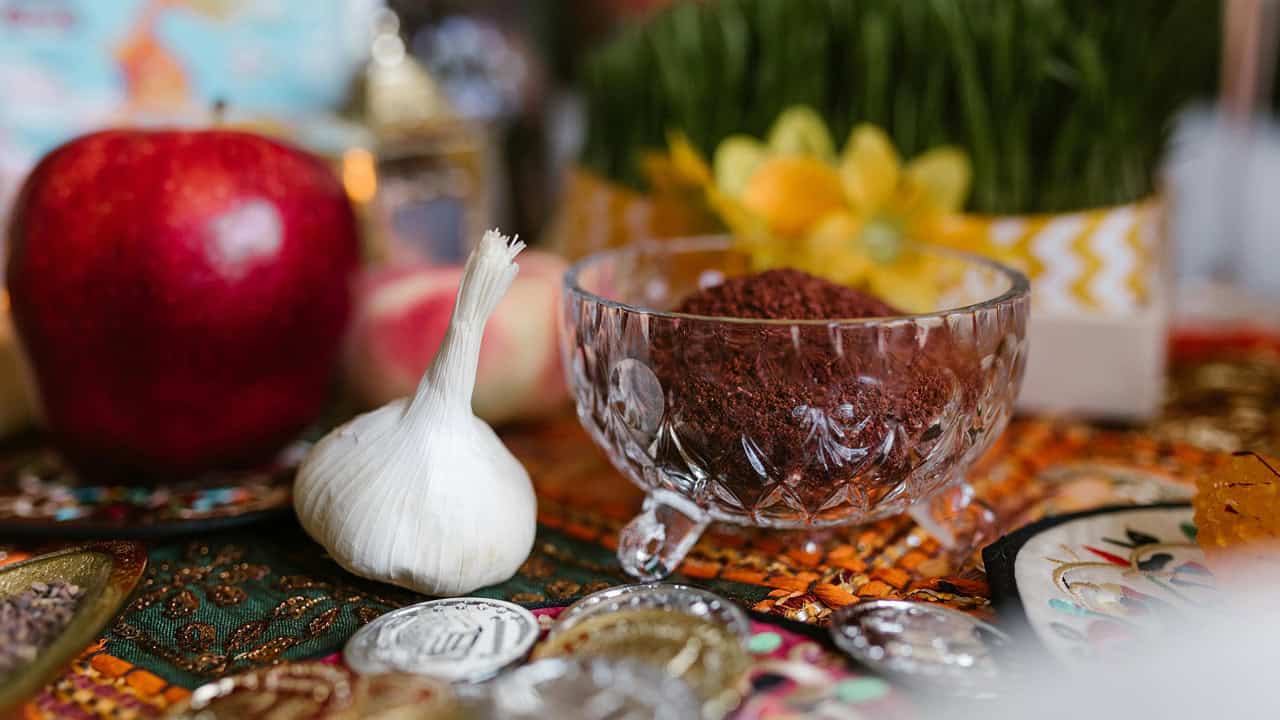
Popular in Middle Eastern cuisine, sumac has a tangy, citrus-like flavor that brightens meats, salads, and dips. It’s made from dried, ground berries and adds a reddish-purple hue to dishes.
Sprinkle it over hummus, grilled chicken, or roasted vegetables. It's especially good as a lemon substitute in dry rubs or marinades.
Szechuan Peppercorn
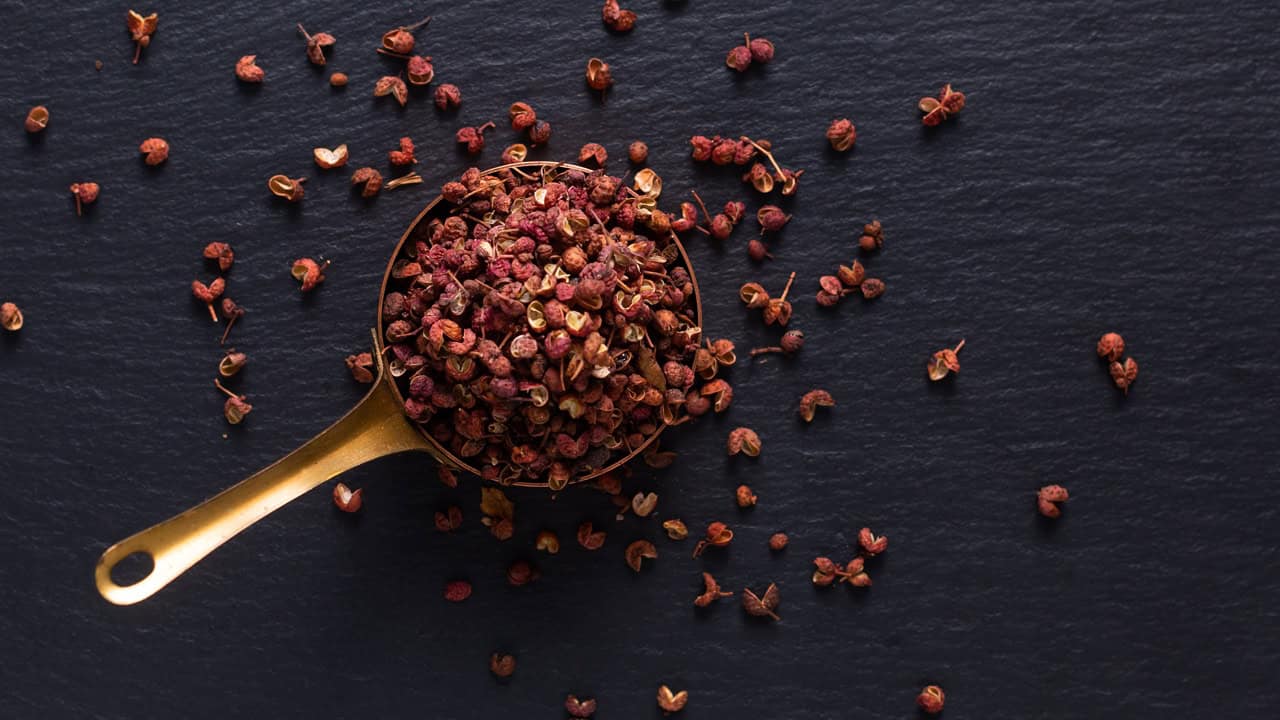
Used in Chinese cooking, especially Sichuan cuisine, these peppercorns offer a mouth-tingling, numbing sensation rather than pure heat. The flavor is citrusy and slightly woody.
Use them in stir-fries, noodle dishes, or infused oils. Toast lightly to release their fragrance before crushing for spice blends or sauces.
Ras el Hanout
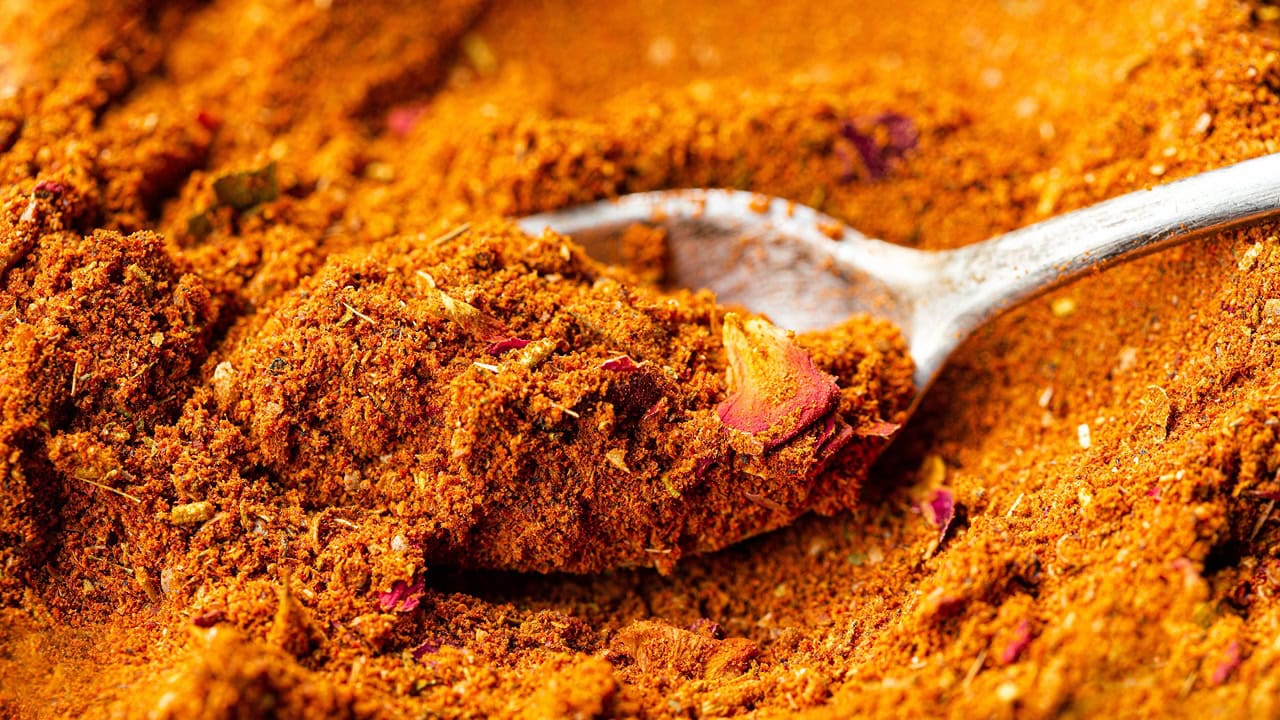
This Moroccan blend often includes over a dozen spices, such as cinnamon, cumin, coriander, and cardamom. It’s aromatic, complex, and slightly sweet.
Add it to stews, couscous, or roasted vegetables. It’s especially delicious in tagines and works well as a seasoning for grilled meats.
Aleppo Pepper
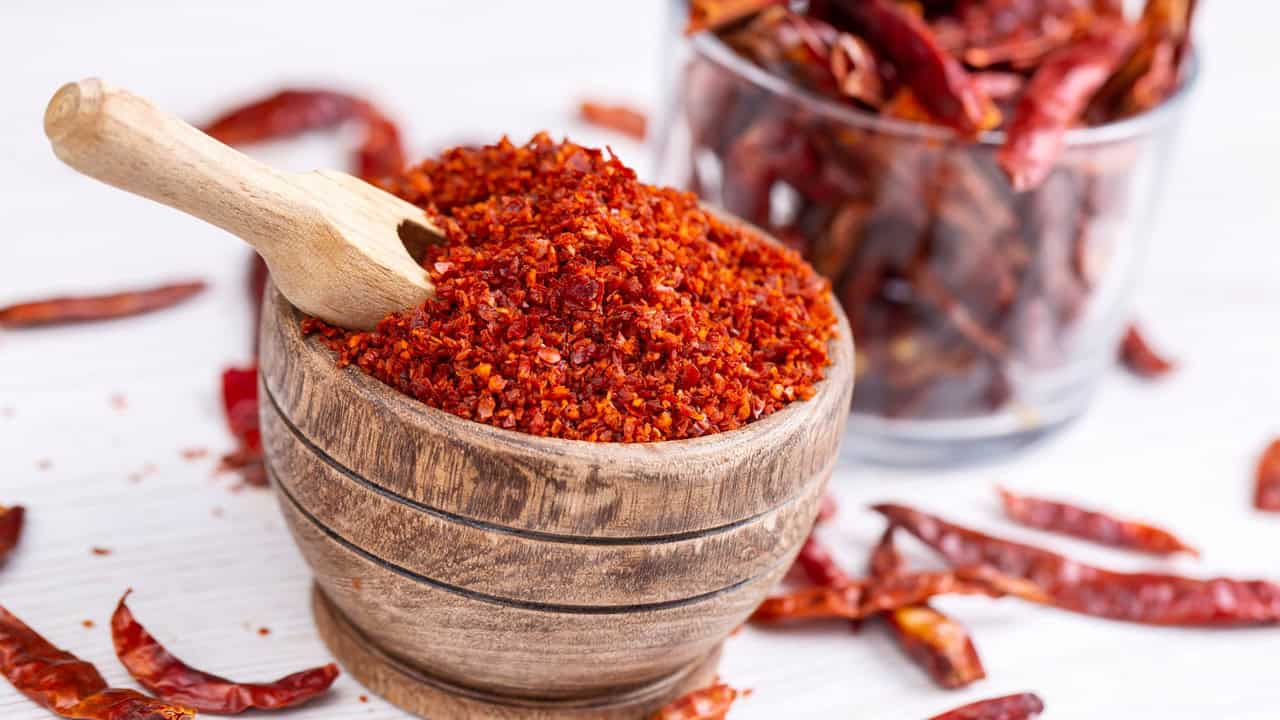
Named after the Syrian city, Aleppo pepper has a mild heat and fruity, raisin-like flavor with a touch of saltiness. It's vibrant but not overpowering.
Sprinkle it on pizza, eggs, or avocado toast. Mix it into yogurt for a simple dip or use in dry rubs for lamb or chicken.
Fenugreek
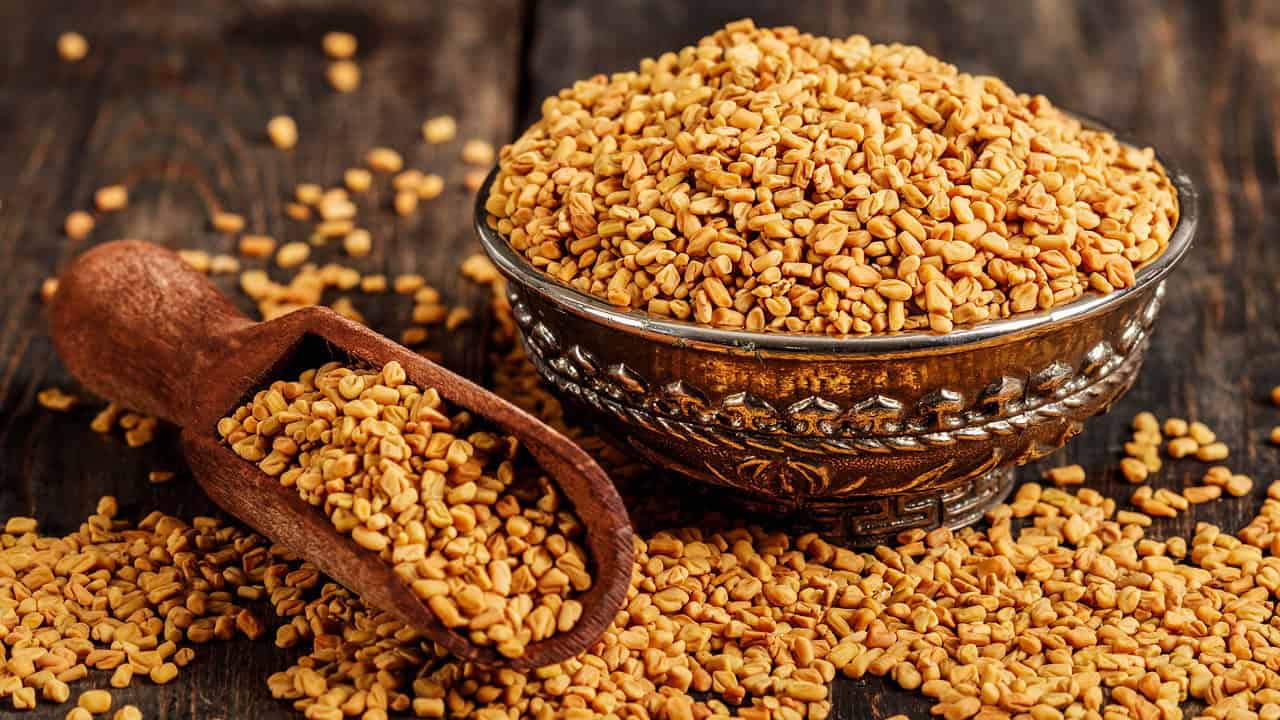
Often found in Indian and Ethiopian dishes, fenugreek has a maple-like aroma and a slightly bitter taste. The seeds are more intense than the leaves.
Use it in spice blends like curry powder or berbere. Toast seeds before grinding to mellow the bitterness and bring out nutty notes.
Za’atar
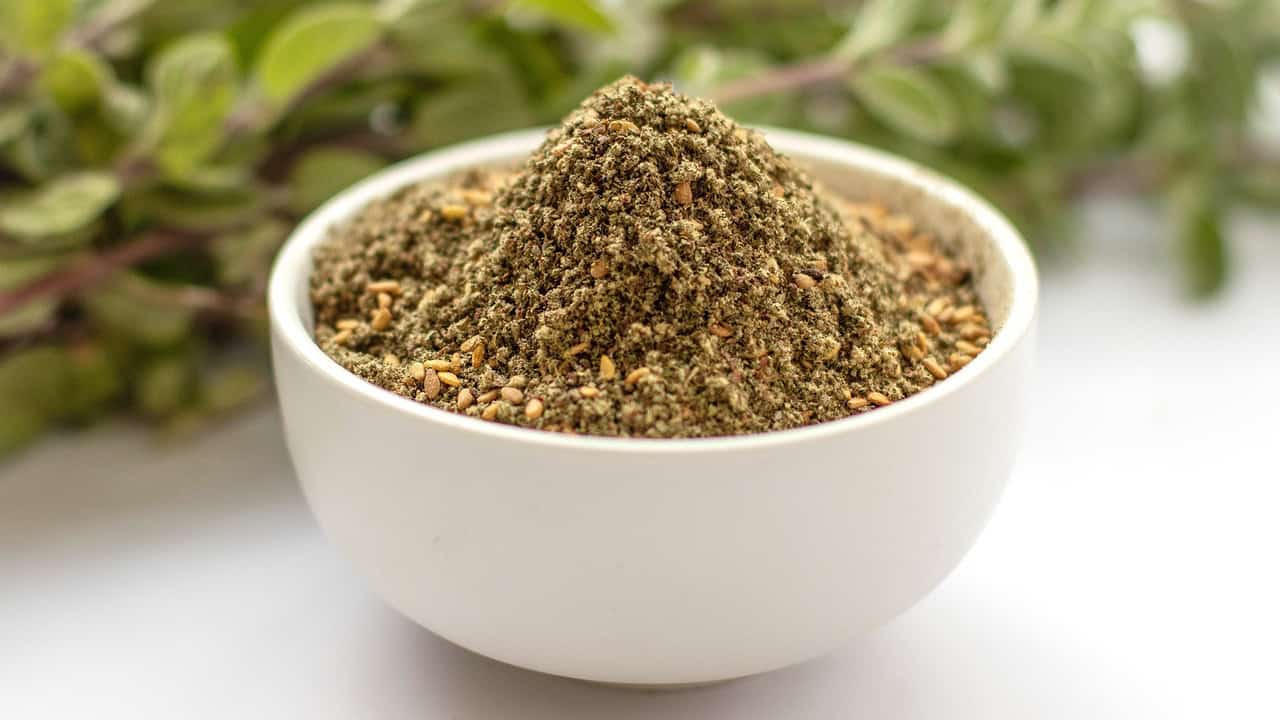
This Middle Eastern mix usually includes thyme, sumac, sesame seeds, and salt. It’s herby, nutty, and slightly tangy.
Stir into olive oil and use as a dip for bread, or sprinkle over flatbreads, salads, or roasted vegetables. It makes a great crust for grilled meats.
Urfa Biber
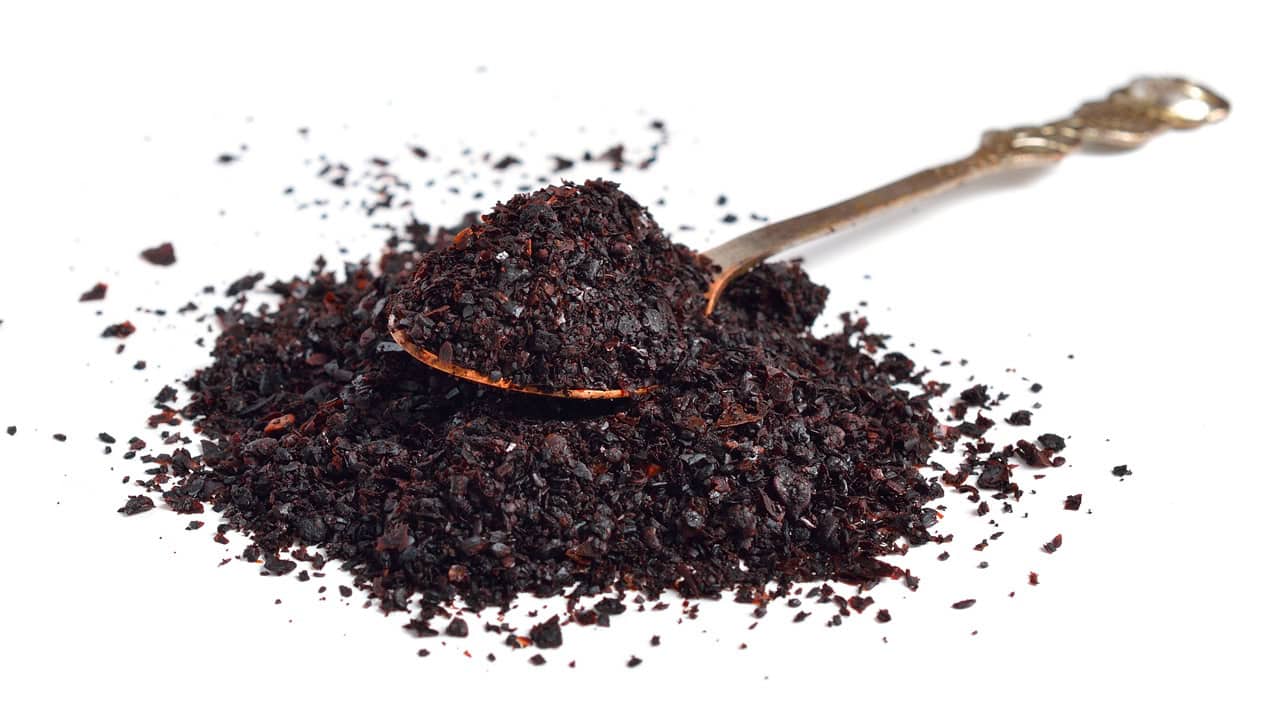
This Turkish chili pepper is dried and cured, giving it a rich, smoky flavor with hints of chocolate and tobacco. It’s milder than typical chili flakes.
Try it on grilled vegetables, in pasta sauces, or mixed with olive oil. Its slow-building heat makes it a good finish for soups and stews.
Grains of Paradise
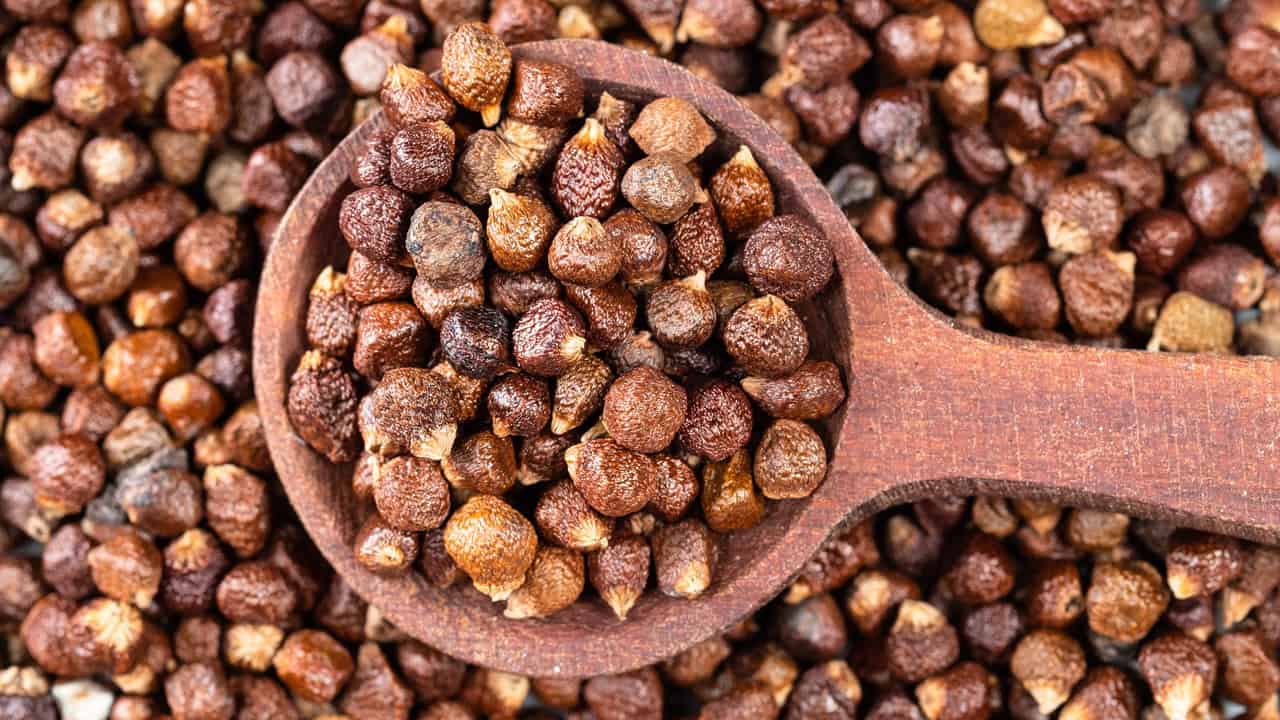
Native to West Africa, this spice resembles black pepper but has notes of citrus, cardamom, and ginger. It's slightly spicy but more aromatic.
Grind fresh into meat rubs, on roasted vegetables, or in cocktails. It pairs beautifully with fatty cuts like duck or lamb and in baking too.
Berbere
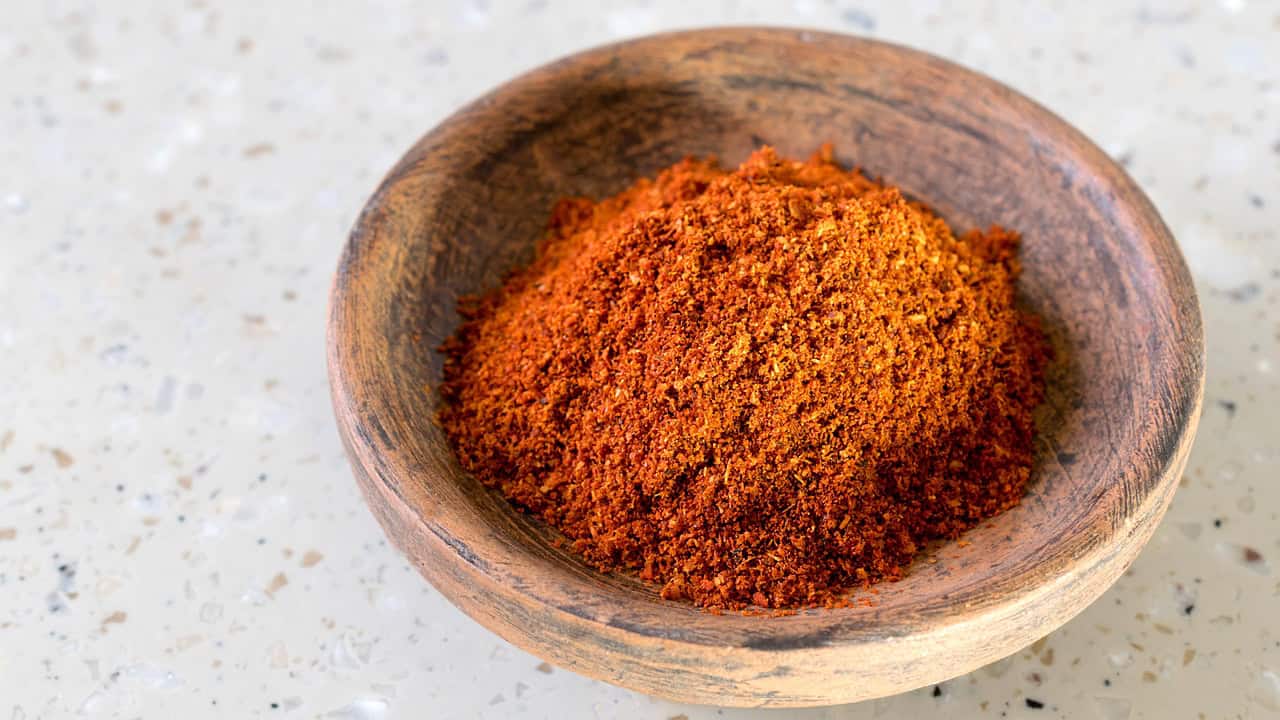
This fiery, earthy Ethiopian blend features chili powder, garlic, ginger, fenugreek, and other spices. It’s the heart of many traditional Ethiopian dishes.
Use it in stews like doro wat or as a dry rub for beef and lamb. A little goes a long way—start with small amounts and build up.
Amchur (Dried Mango Powder)
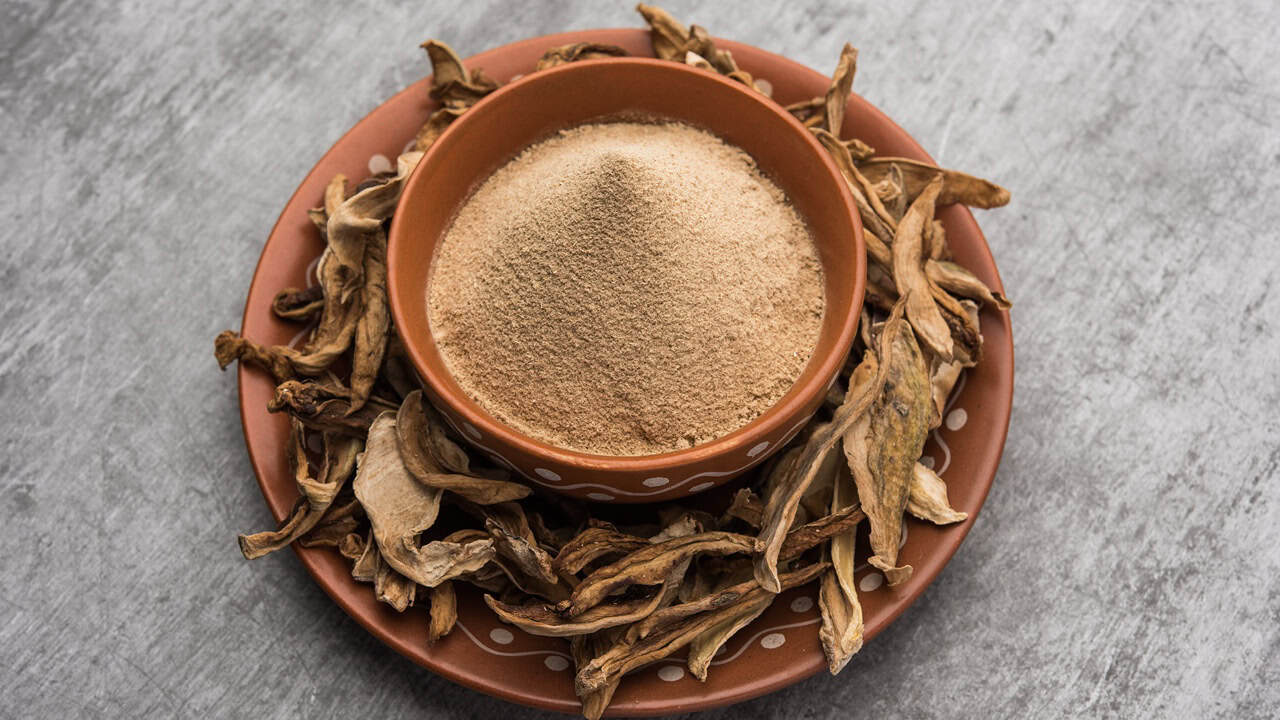
Used in Indian cuisine, amchur is made from dried, unripe mangoes. It adds a tart, fruity brightness to dishes without adding moisture.
Add to chutneys, vegetable dishes, or lentils. It's great for enhancing grilled meats or replacing lemon in dry spice mixes and marinades.
Long Pepper
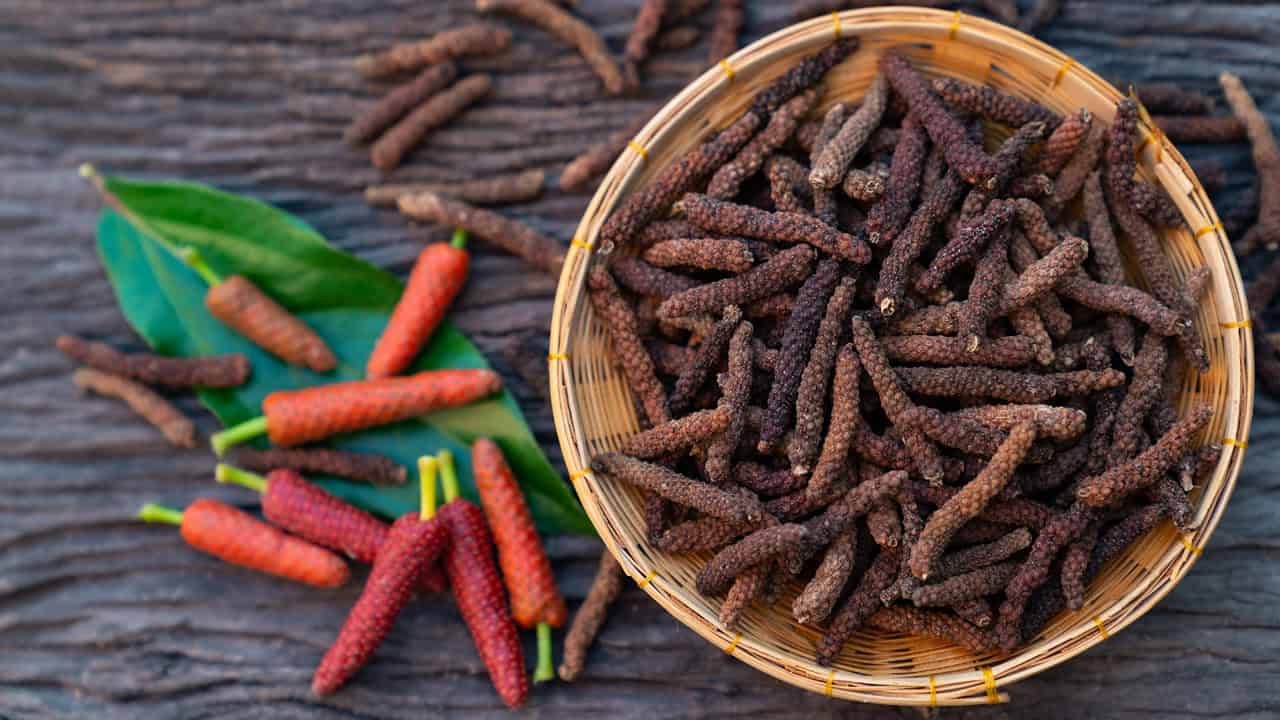
Ancient and aromatic, long pepper is hotter than black pepper with hints of nutmeg and cinnamon. It's often used in Southeast Asian and Indian cooking.
Grate or crush into meat dishes, pickles, or spiced desserts. It’s ideal for adding depth to sauces or mulled wine.
Kala Jeera (Black Cumin)
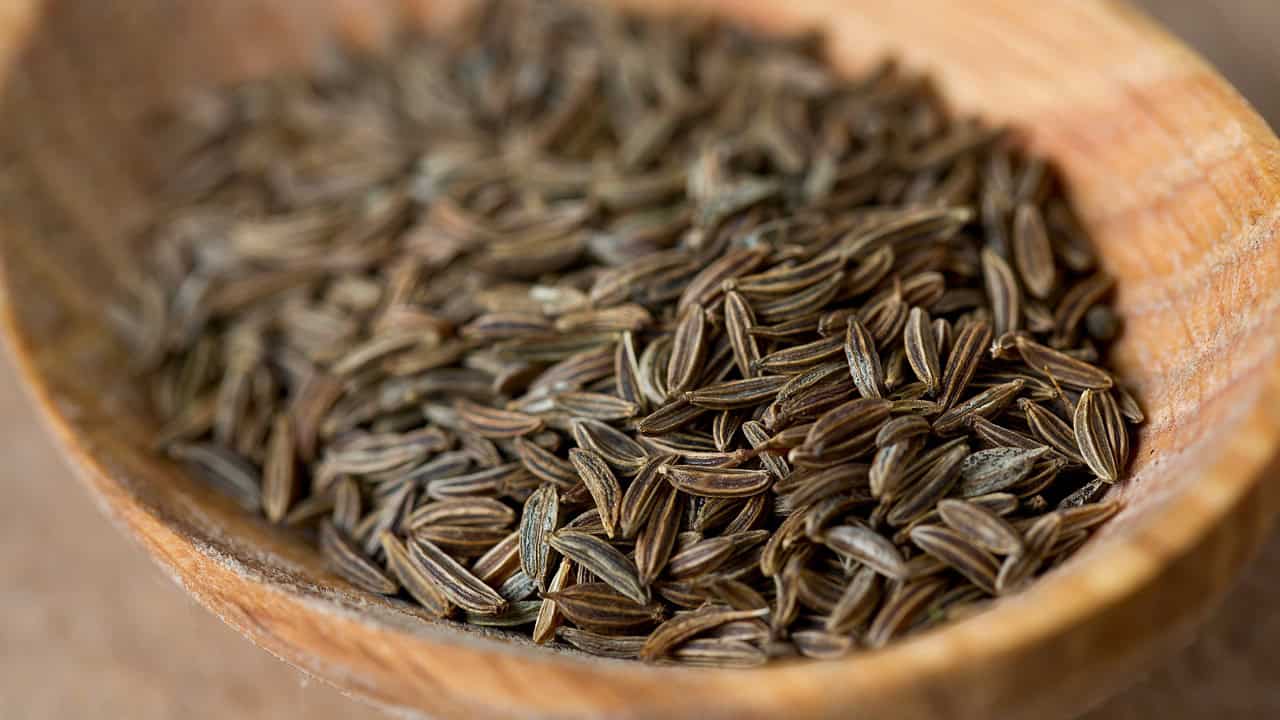
Not to be confused with regular cumin, black cumin has a sweeter, more delicate flavor with a hint of citrus and nuttiness.
Toast lightly before adding to rice dishes, curries, or naan. It’s especially good in lamb dishes and adds complexity to spice blends.