
15 Essential herbs in French cooking (and how to use them)
As an Amazon affiliate, I earn from qualifying purchases.
French cuisine is renowned for its sophisticated and diverse flavors, much of which can be attributed to the use of a wide variety of aromatic herbs. These herbs not only add a distinctive flavor and aroma to the dishes, but often have nutritional and medicinal benefits as well. If you’re looking to recreate authentic French dishes at home or simply want to incorporate some French flair into your everyday cooking, understanding these herbs and their uses is indispensable.
Today we will explore 15 essential herbs in French cooking and how to use them in your culinary adventures.
1. Thyme
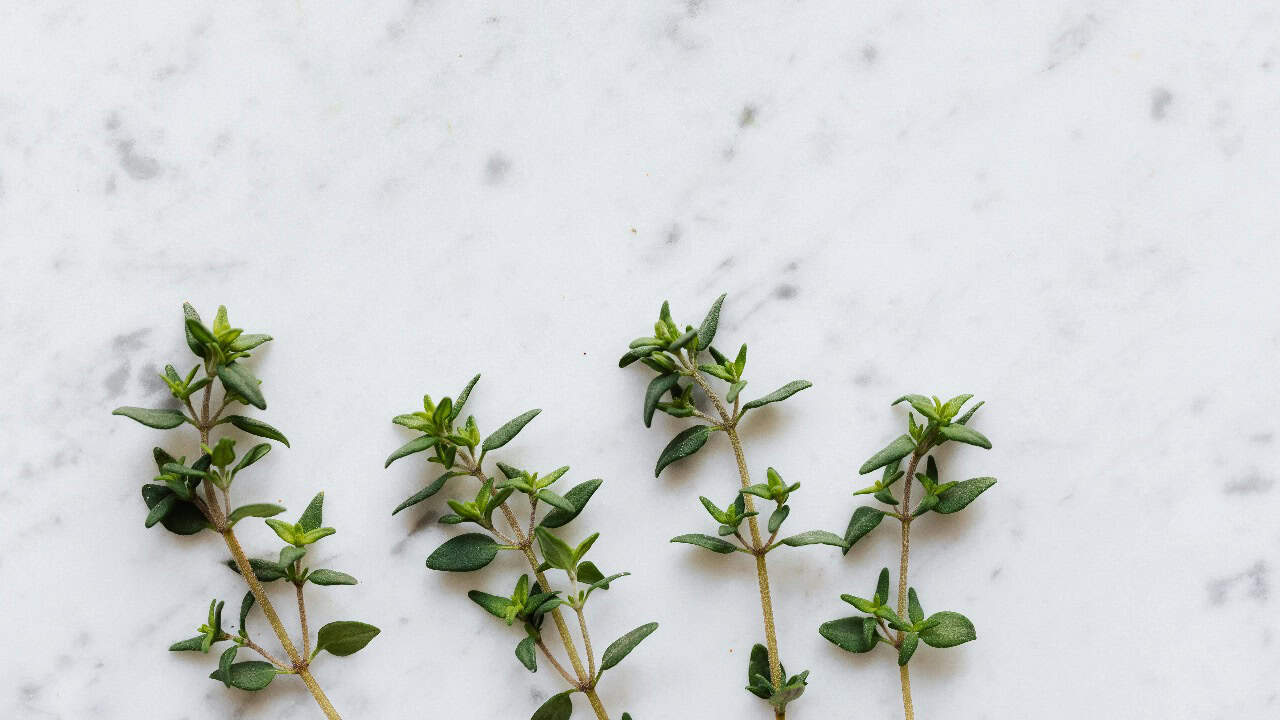
Thyme is a staple in French cooking. It has a subtle, dry aroma and a slight minty flavor. It is commonly used in French cuisine to lend a depth of flavor to soups, stews, roasts, and sauces.
Thyme is particularly prominent in the famous French herb blend, Herbes de Provence. It pairs well with a wide range of ingredients, from meats like chicken and lamb to vegetables, cheeses, and even fruits. Fresh thyme can be added towards the end of cooking, while dried thyme is generally added earlier to allow its flavors to develop and permeate the dish.
2. Rosemary
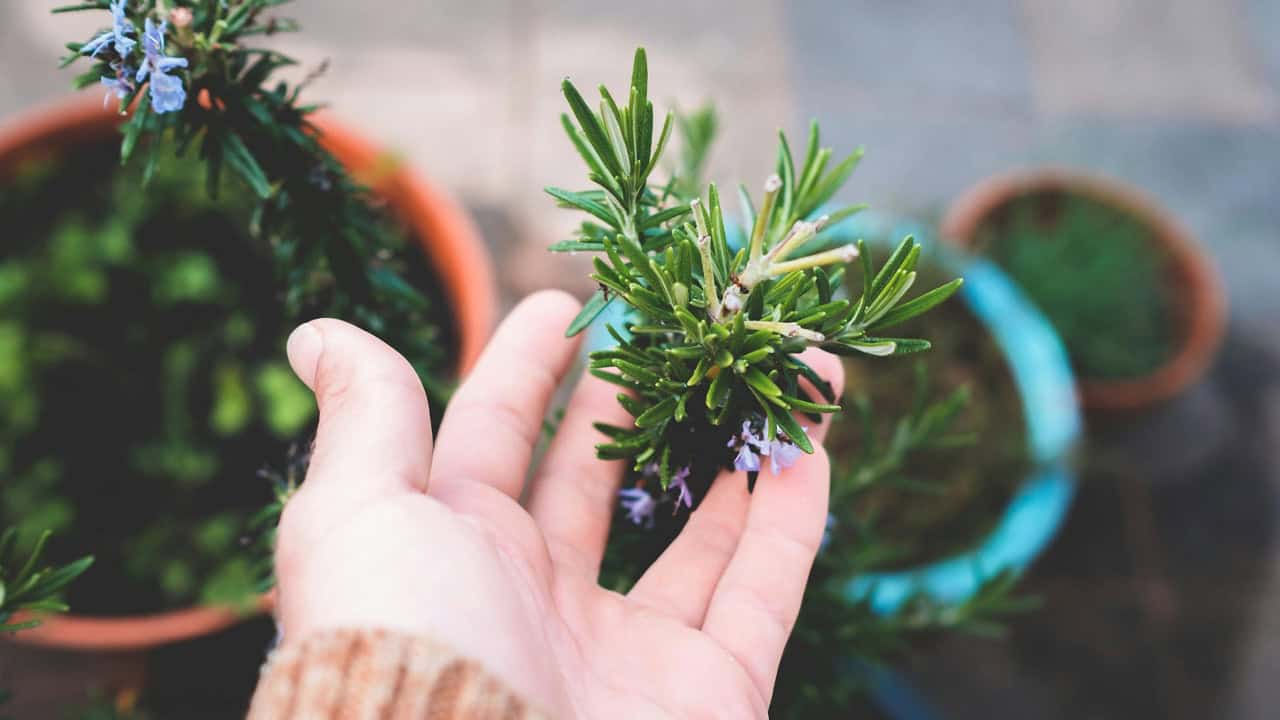
Rosemary is another herb that is widely used in French cooking. It has a strong, pungent flavor and a woody aroma. It is often used in roasted meats, vegetables, and baked goods.
The needle-like leaves of rosemary can be used fresh or dried. In French cuisine, it is often used in combination with thyme and garlic, especially in dishes like roast chicken or lamb. Rosemary is also a key ingredient in the classic French bread, Fougasse.
Remember, a little rosemary goes a long way, so use it sparingly to avoid overpowering other flavors.
3. Tarragon
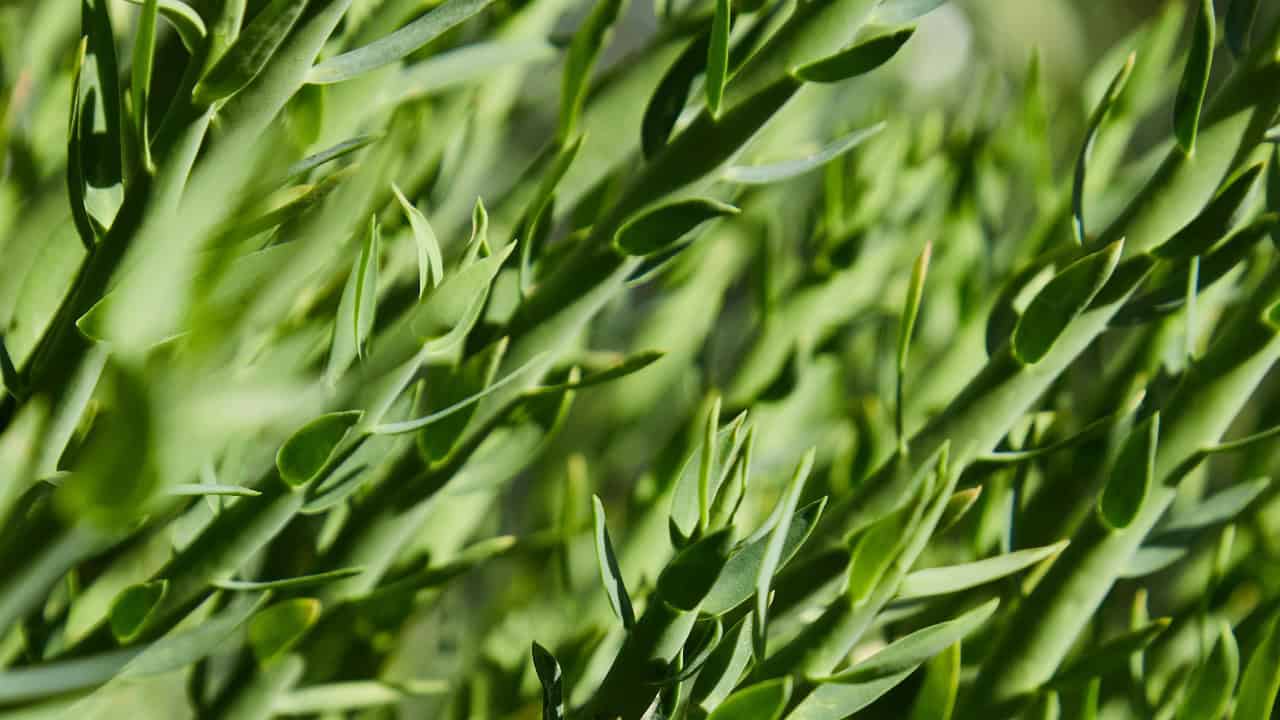
Tarragon is a distinctive herb with a flavor that's a unique mix of sweet anise and mild vanilla. It's a key ingredient in the classic Béarnaise sauce, a traditional French sauce made with egg yolk, butter, white wine vinegar, and herbs.
Tarragon is also used in chicken, fish, and vegetable dishes. The leaves can be used fresh or dried, but fresh is usually preferred in French cuisine for its more potent flavor. Tarragon also pairs beautifully with eggs, whether in a simple omelette or a sophisticated Quiche Lorraine.
4. Basil
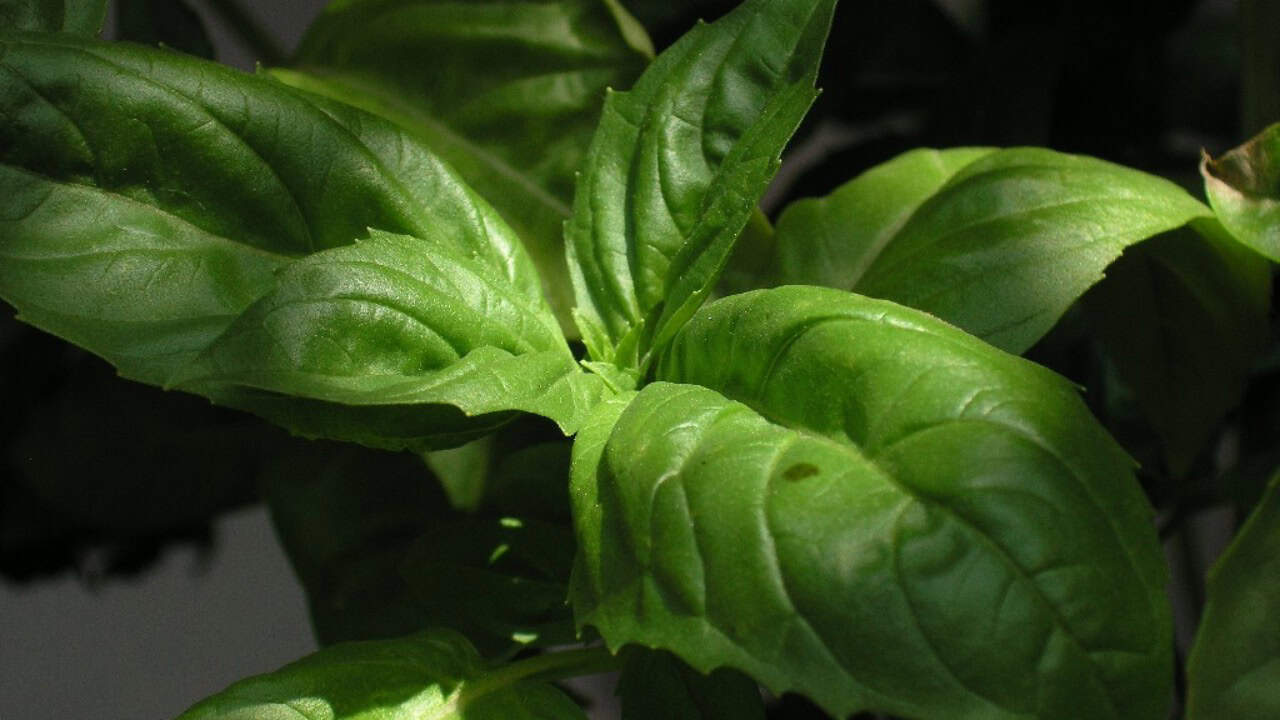
Basil, particularly sweet basil, is used in a variety of French dishes. It's a key ingredient in Pistou, a Provençal sauce made from cloves of garlic, fresh basil, and olive oil.
Basil is also used in salads, soups, and with fish and meats.
Fresh basil leaves are often used whole, torn, or chopped and added at the last minute to preserve their aromatic flavor. The herb also pairs well with fresh tomatoes and is a staple in the popular summer dish, Tomato Mozzarella Salad.
5. Parsley
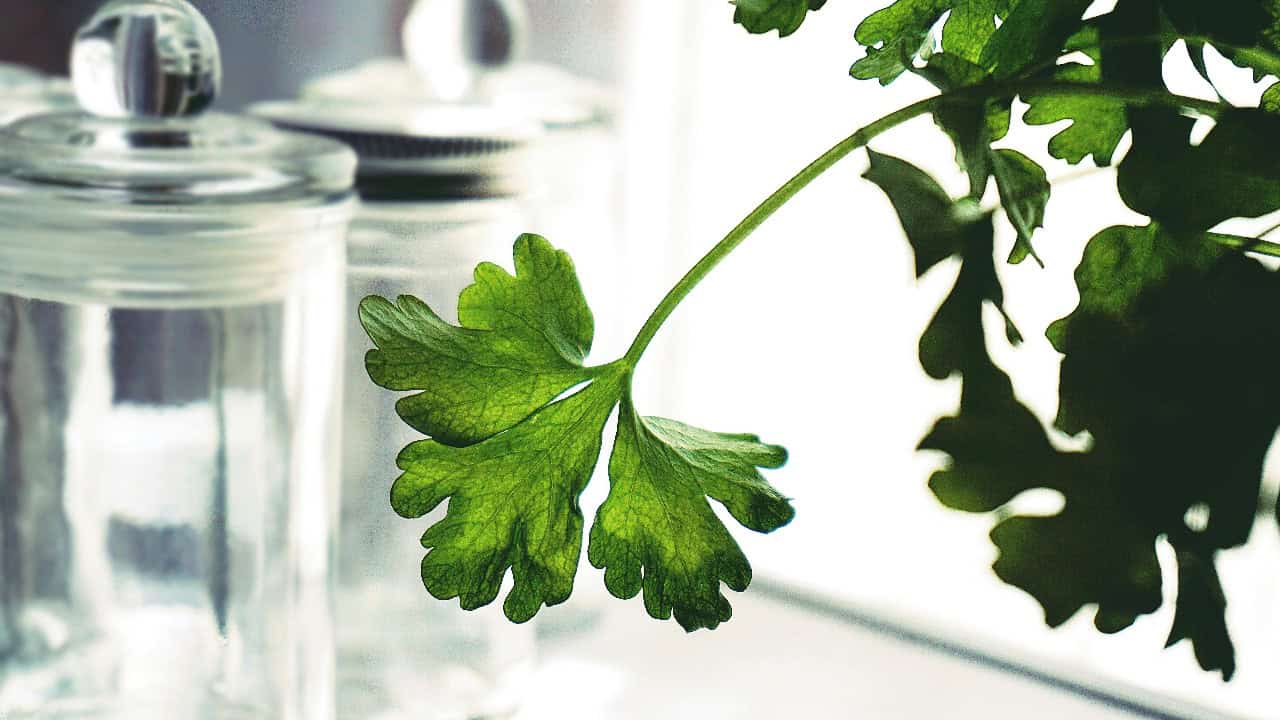
Parsley is perhaps one of the most commonly used herbs in French cooking. It has a fresh, slightly bitter taste that can enhance the flavor of a wide variety of dishes.
Whether used as a garnish or as a key ingredient, parsley is an essential herb in French cuisine. Flat-leaf parsley is usually preferred over curly parsley for its more robust flavor. Parsley is used in everything from sauces (like the famous Persillade, a mixture of parsley and garlic) to soups, stews, and meat dishes.
6. Chervil

Chervil, with its delicate flavor reminiscent of aniseed and parsley, is often used in French cuisine. It's one of the four ingredients in the classic French herb mix, Fines Herbes.
Chervil is used to season poultry, seafood, and vegetables, and to flavor soups and sauces. It's especially popular in spring dishes. The herb is best used fresh and added at the end of cooking, as heat diminishes its flavor.
7. Bay Leaf
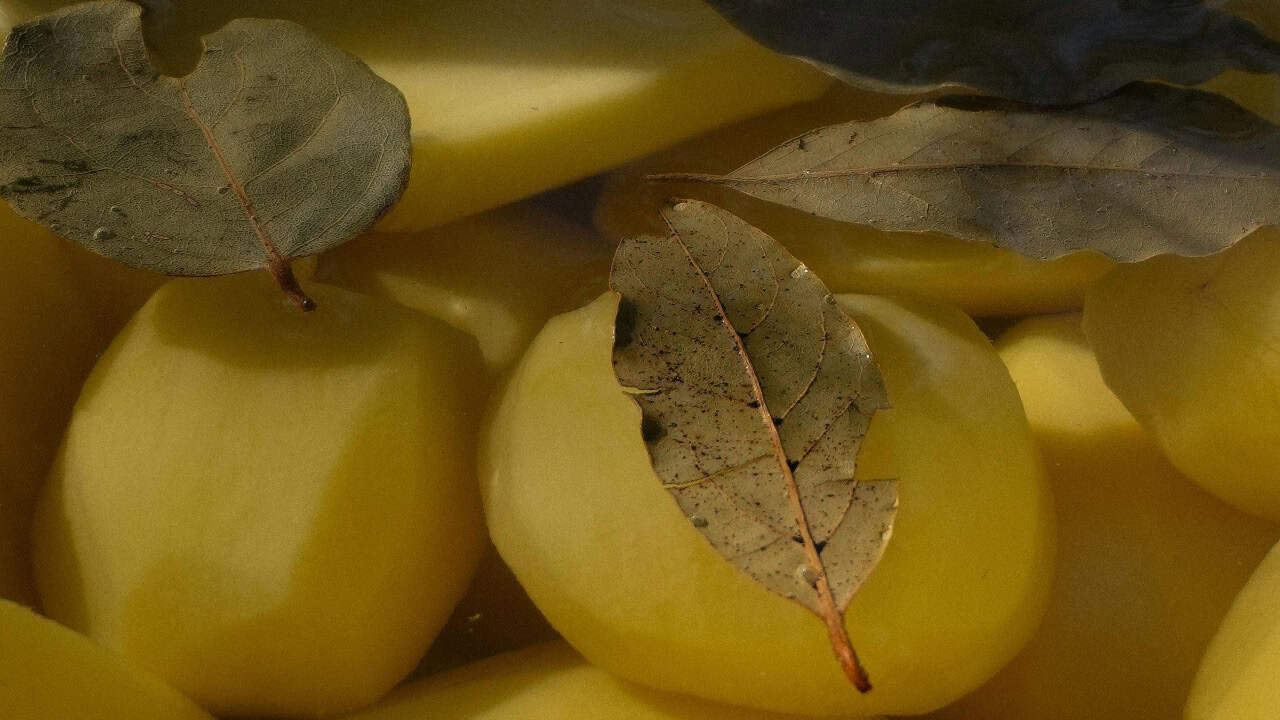
The Bay Leaf is a key component in many French dishes, adding a subtle bitterness and depth of flavor. It's often used in slow-cooked dishes like stews, soups, and sauces.
Bay leaves can be used fresh or dried, but dried bay leaves are more commonly used in French cooking. They should be removed from the dish before serving, as they can be sharp and unpleasant to eat.
8. Marjoram
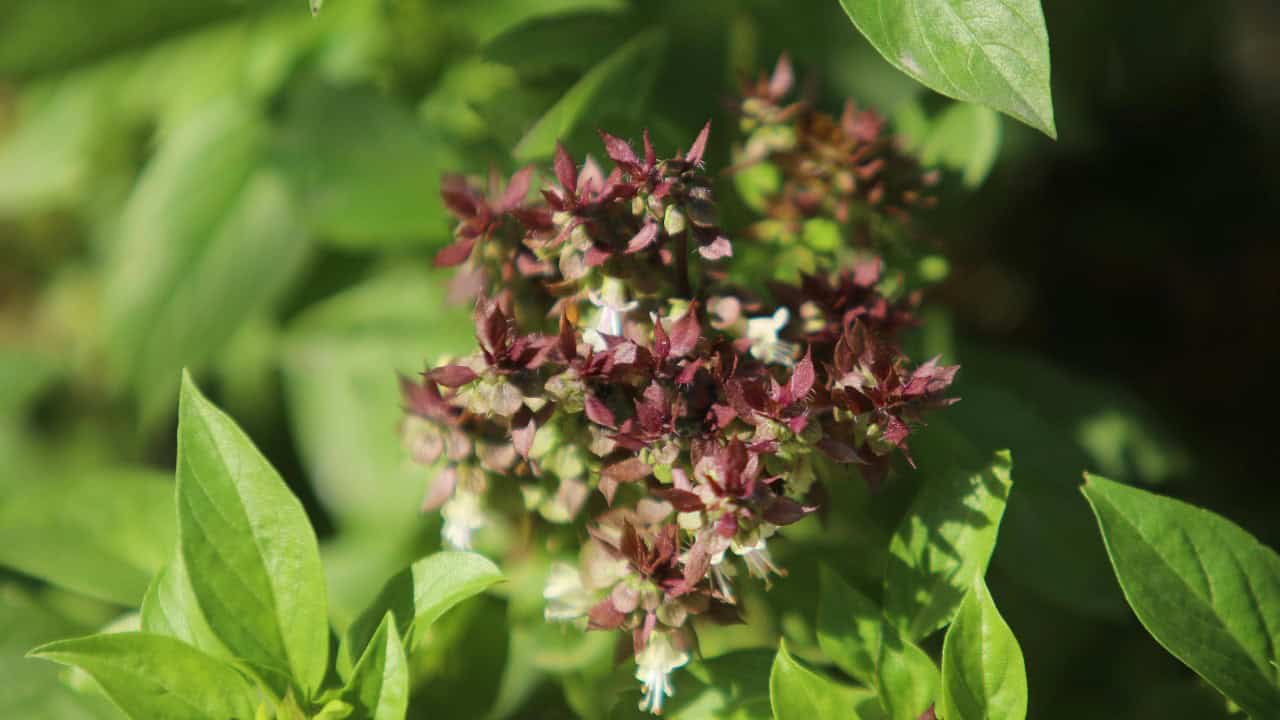
Marjoram, with its sweet, floral, and slightly citrusy flavor, is often used in French cooking. It's commonly used in roasted meats and vegetable dishes.
This herb is best used fresh, though it can also be used dried. In French cooking, marjoram lends a delicate, slightly sweet flavor to vegetable dishes, poultry, and light soups. It pairs well with other herbs like thyme, basil, and rosemary.
9. Sage
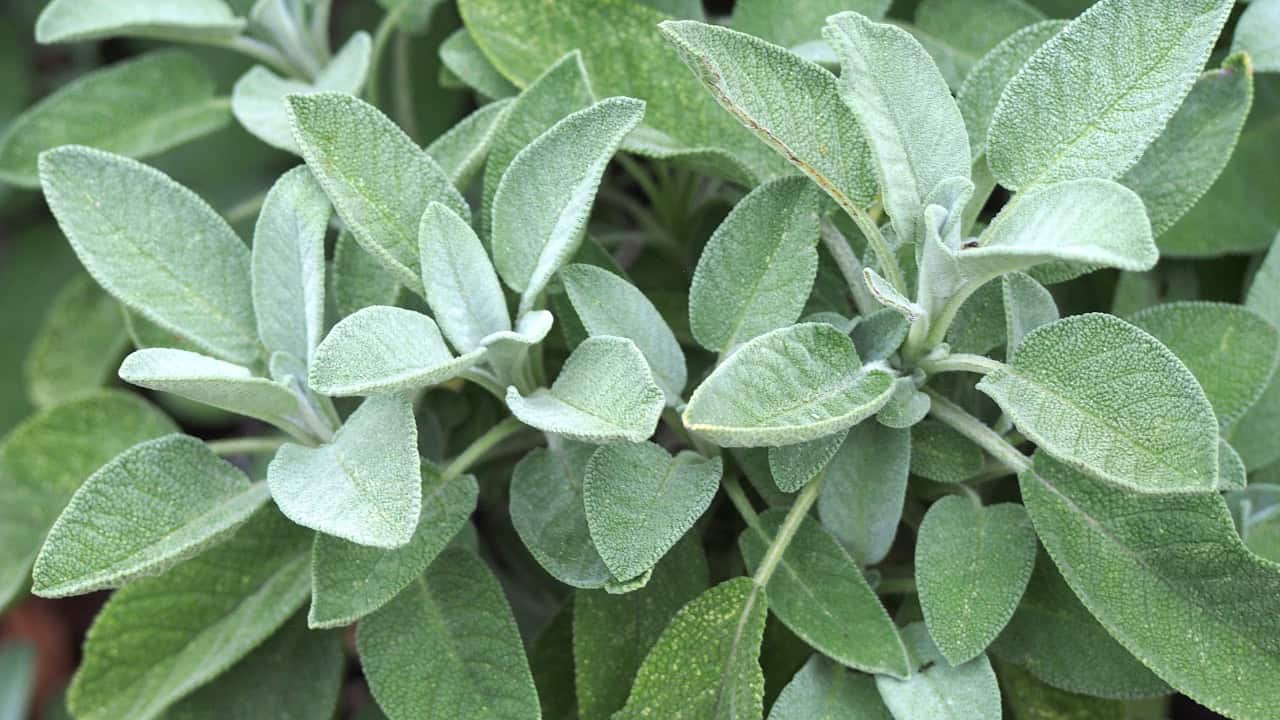
Sage, with its strong, slightly peppery flavor, is often used in French cooking. It's commonly used in roasted meats and stuffing.
Sage can be used fresh or dried, but it has a strong, earthy flavor that can easily dominate a dish, so use it sparingly. In French cuisine, it’s often paired with rich meats like pork or duck, and adds depth to slow-cooked dishes and savory sauces.
10. Mint
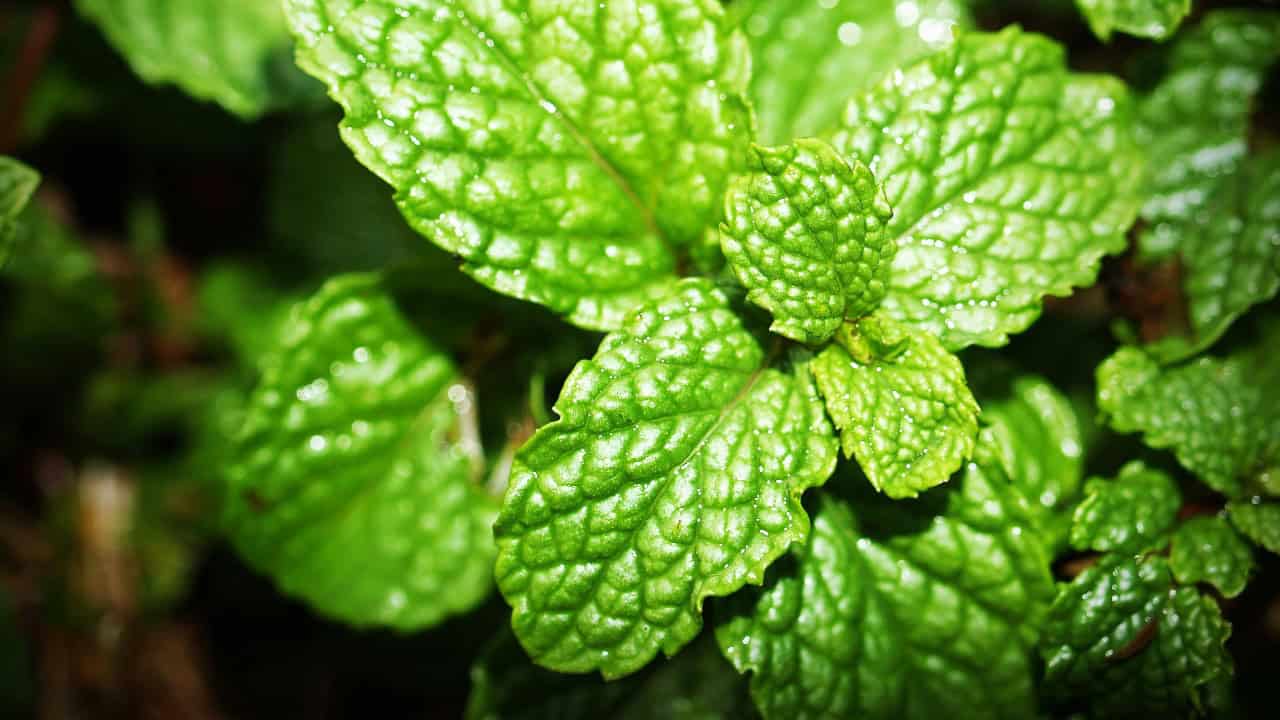
Mint, with its refreshing, slightly sweet flavor, is often used in French cooking. It's commonly used in salads, desserts, and beverages.
Mint can be used fresh or dried, but fresh mint leaves offer a brighter, more vibrant flavor. In French cooking, mint is often used to add freshness to spring dishes like peas or lamb, and it pairs beautifully with other delicate herbs such as basil and tarragon.
11. Chives
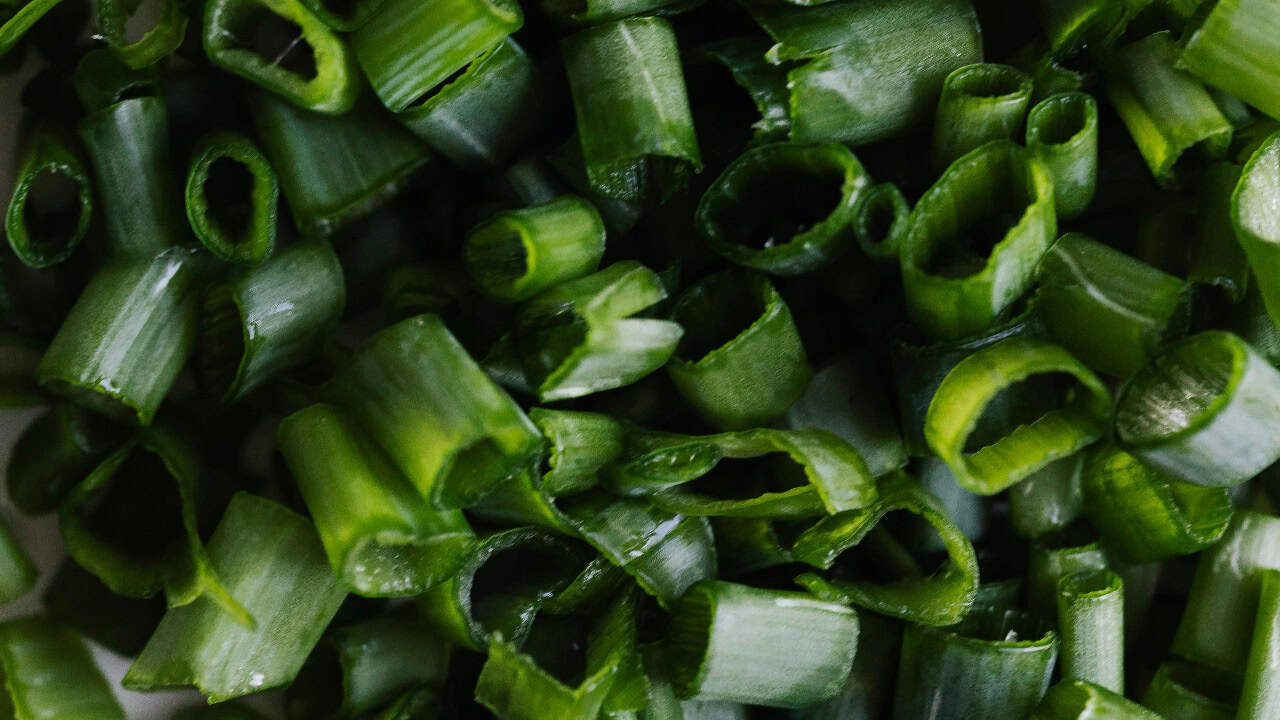
Chives, with their mild onion flavor, are often used in French cooking. They're commonly used in egg dishes, salads, and soups.
Chives can be used fresh or dried, but fresh chives offer a more delicate and pronounced onion-like flavor. They’re commonly sprinkled over omelets, potatoes, and cream-based sauces to add a light, aromatic finish.
12. Lavender
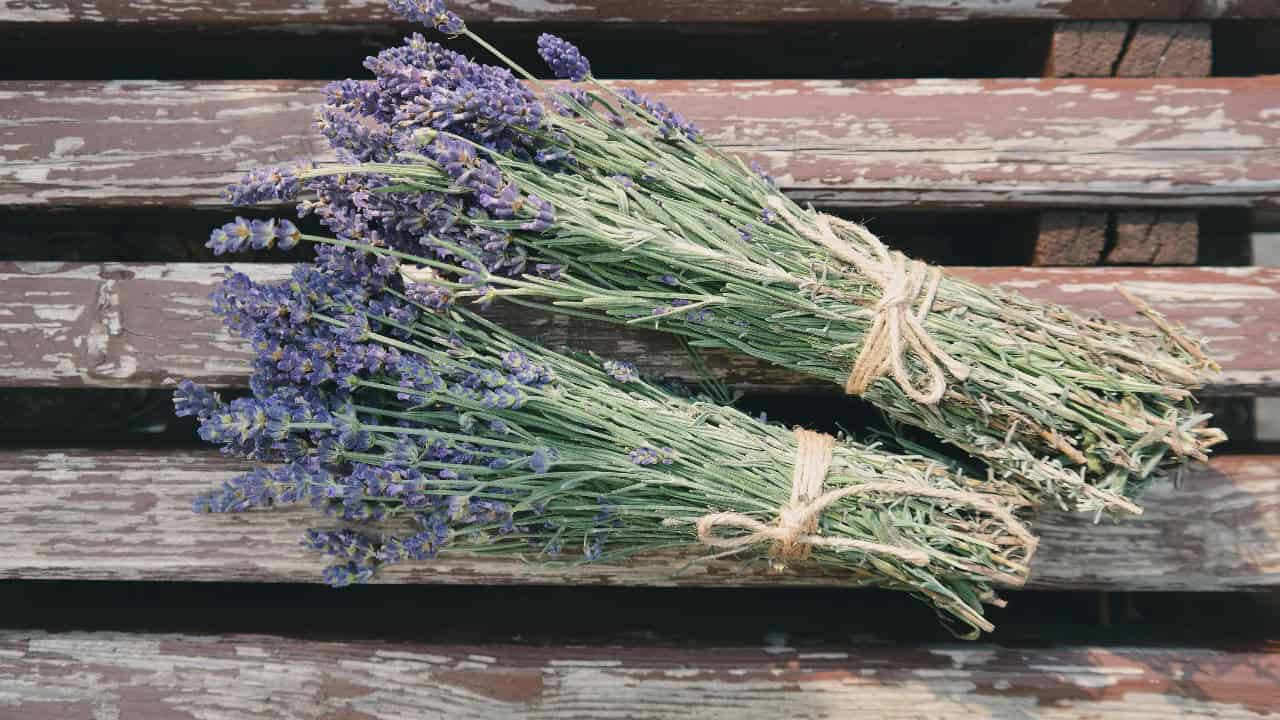
Lavender, with its sweet floral flavor, is often used in French cooking. It's commonly used in desserts, jams, and beverages.
Lavender can be used fresh or dried, but fresh lavender flowers have a more potent flavor. It's a key ingredient in the French herb blend, Herbes de Provence.
13. Dill
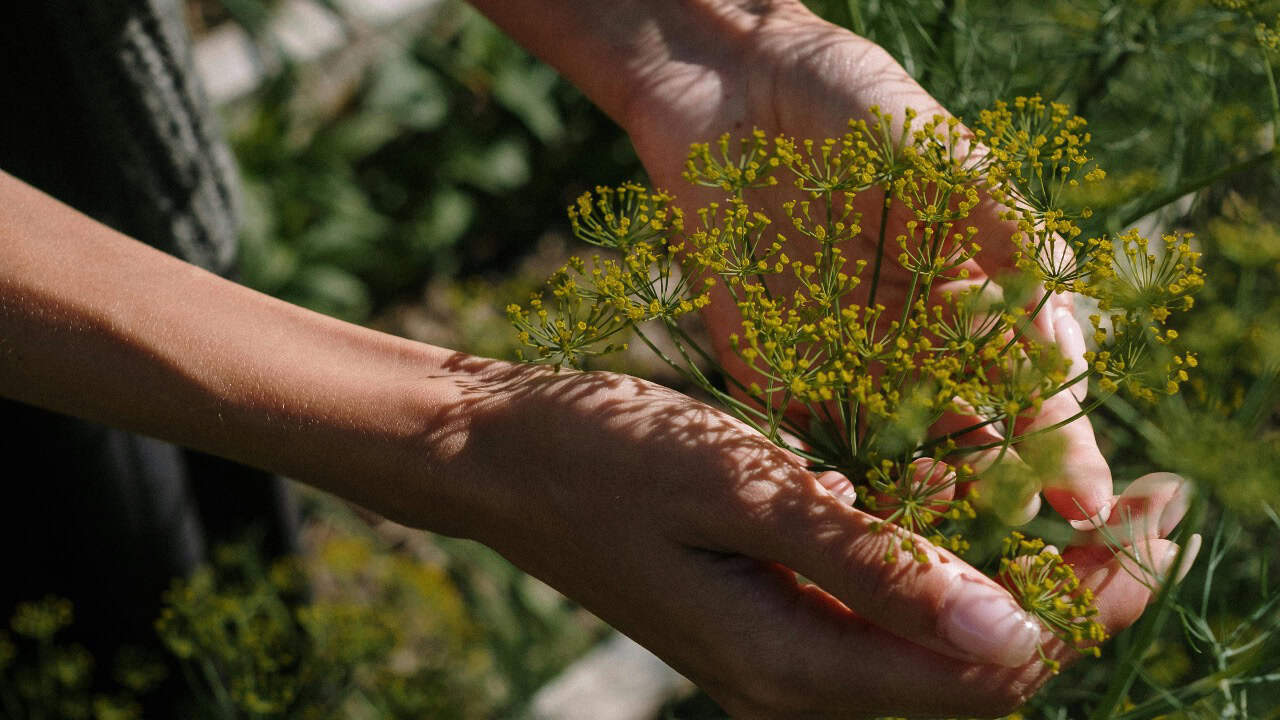
Dill, with its slightly sweet and grassy flavor, is often used in French cooking. It's commonly used in fish dishes, salads, and pickles.
Dill can be used fresh or dried, but fresh dill has a more potent flavor. It pairs well with other herbs like parsley and tarragon.
14. Sorrel
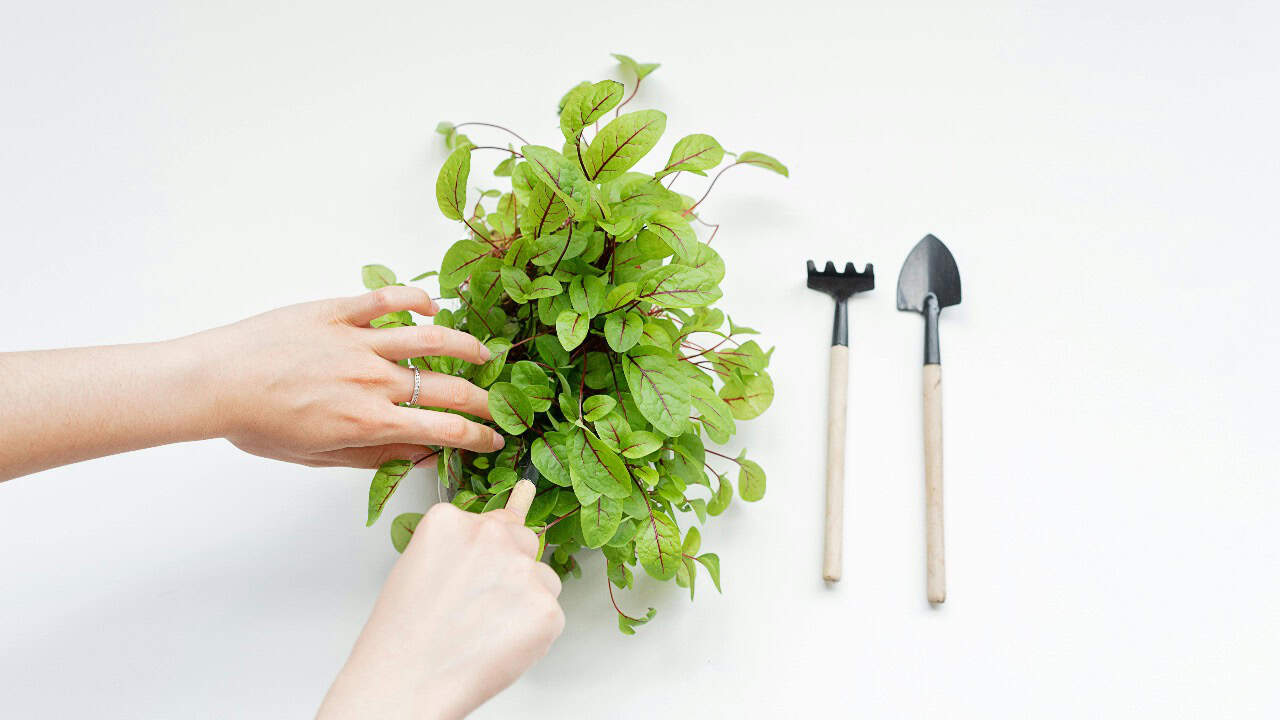
Sorrel, with its tangy, slightly sour flavor, is often used in French cooking. It's commonly used in soups, salads, and sauces.
Sorrel can be used fresh or dried, but fresh sorrel has a more potent flavor. It pairs well with fish and is a key ingredient in the classic French dish, Sorrel Soup.
15. Fennel
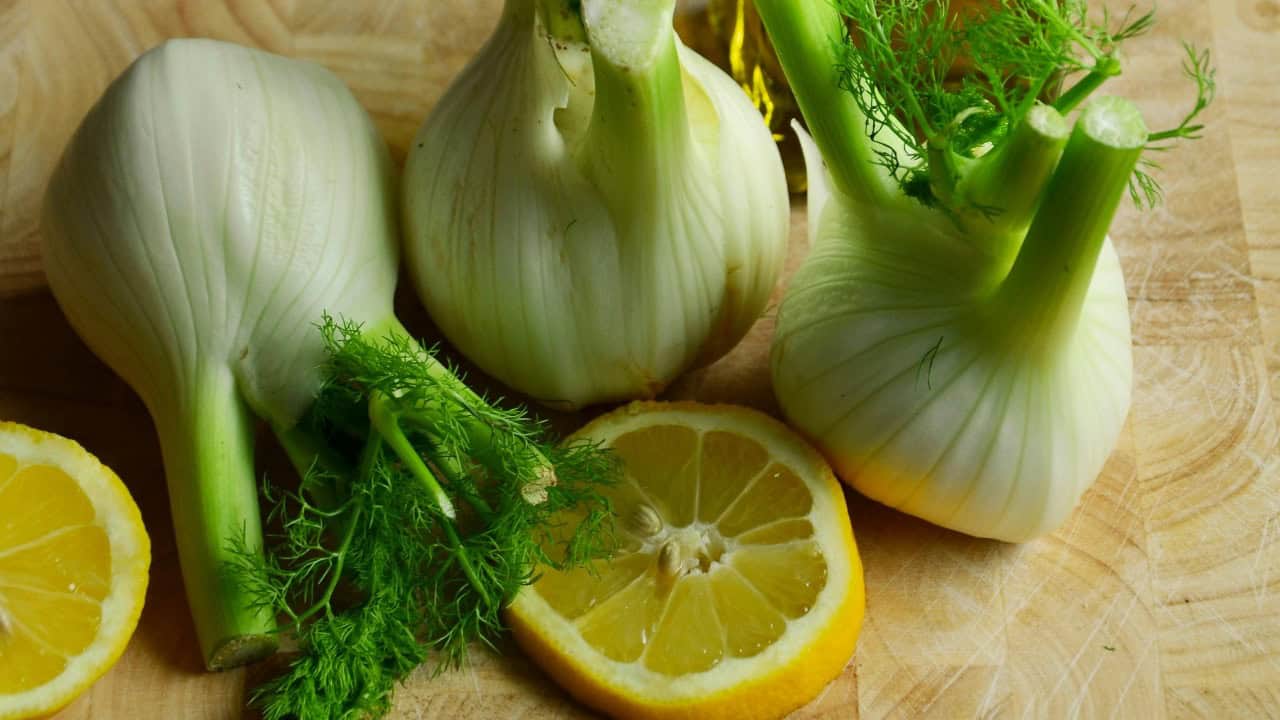
Fennel, with its sweet, licorice-like flavor, is often used in French cooking. It's commonly used in fish dishes, salads, and stews.
Fennel can be used fresh or dried, but fresh fennel has a more vibrant, anise-like flavor. In French cuisine, it's often used to enhance seafood dishes, stews, and braised vegetables. It pairs well with herbs like thyme and basil.
The use of herbs is one of the defining features of French cuisine. They can transform a simple dish into a culinary delight, evoking the flavors and aromas of the French countryside.
So whether you're a seasoned cook or a beginner in the kitchen, don't be afraid to experiment with these herbs and discover your own personal touch to French cooking.