16 Secrets of French butter: Why it’s the best
As an Amazon affiliate, I earn from qualifying purchases.
French butter is a culinary delight that has been savored for generations. Known for its creamy texture and rich flavor, it’s often hailed as the best butter in the world. But what is it that makes French butter so special? Why does it outshine its peers in terms of taste, texture, and versatility?
Let's uncover 16 secrets that make French butter a standout in the world of dairy products.
1. High Fat Content

French butter typically contains a higher percentage of fat than most other types of butter (82% as compared to 80% or less in others). This might seem trivial, but this 2% difference has a significant impact on the flavor and texture of the butter.
The high fat content leads to a richer, creamier texture and an incredible depth of flavor. It also means the butter has a lower water content, which can enhance the outcome of baked goods, making them flakier and more tender. This is why many professional bakers and chefs prefer to use French butter in their recipes.
2. Churning Process
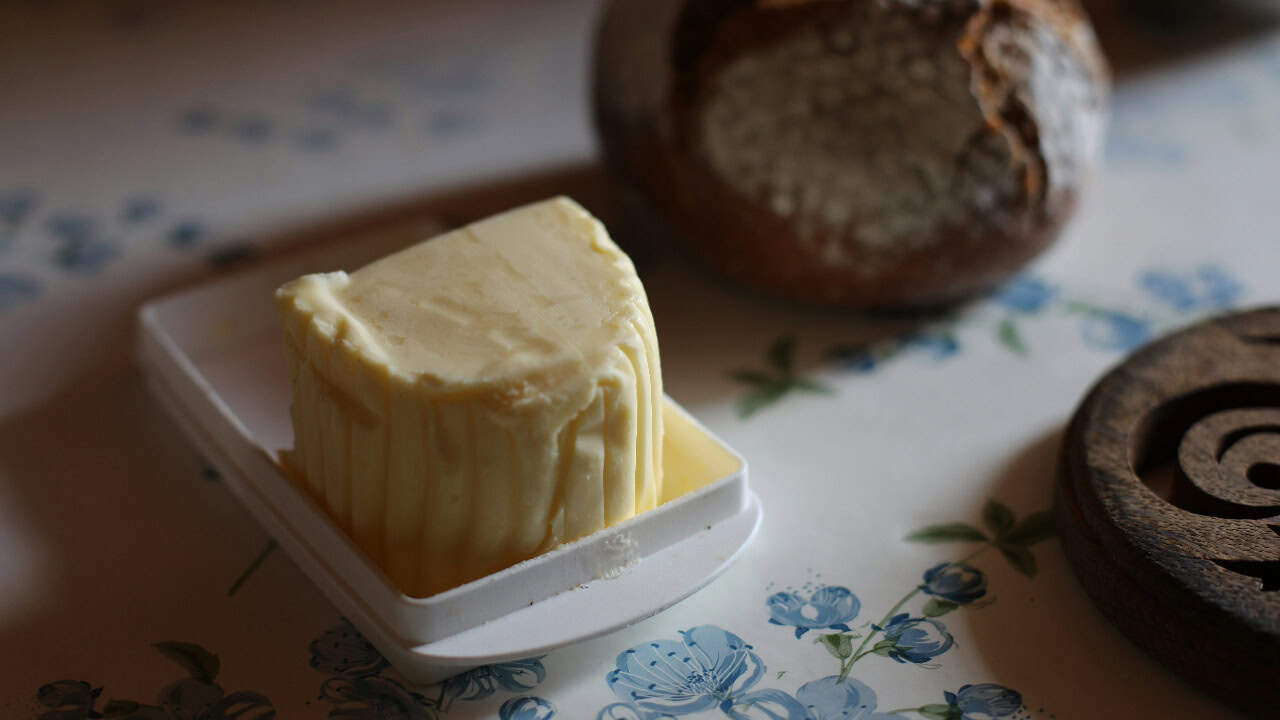
French butter is traditionally made through a slow churning process. This method not only contributes to its unique texture but also helps in developing its distinct taste.
Slow churning allows the cream to ferment before it's churned. This fermentation process gives French butter its characteristic tangy flavor. The slow churning also contributes to a denser, creamier texture that is less prone to melting at room temperature.
3. Protected Designation of Origin
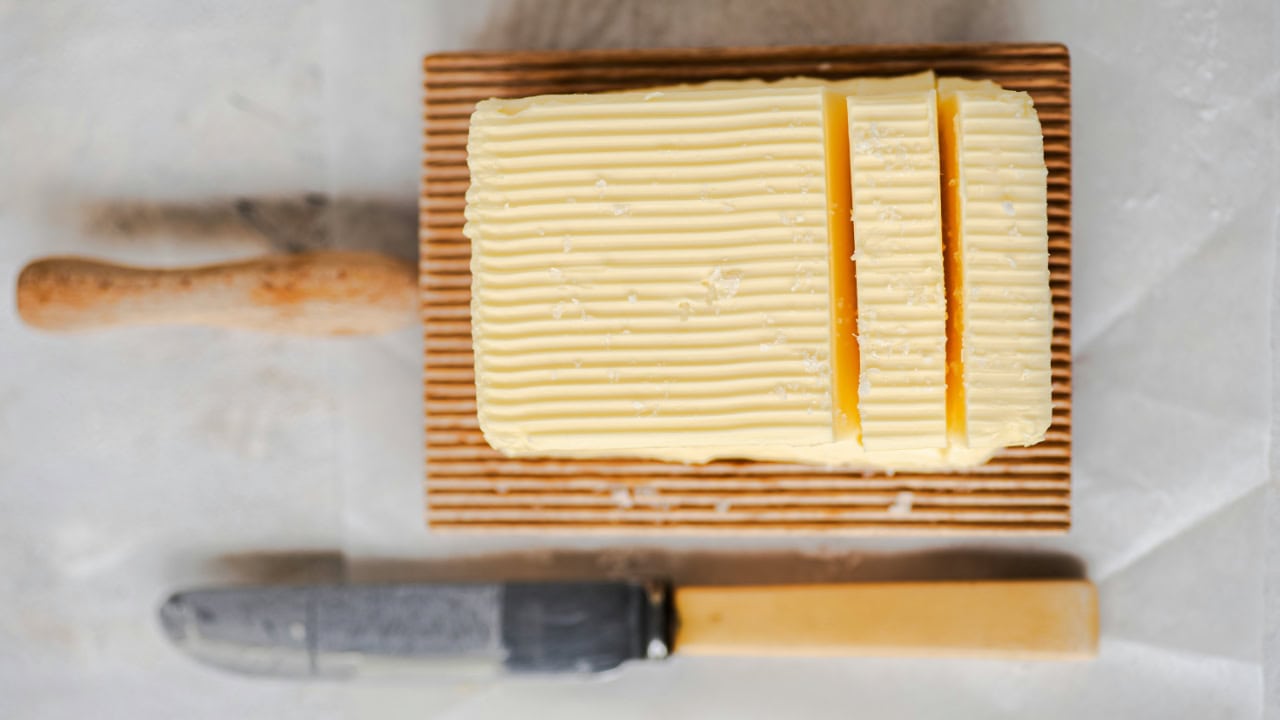
Some French butters, like Beurre de Charentes-Poitou, carry a Protected Designation of Origin (PDO) label. This means that the butter is produced in a specific region, following traditional methods and standards.
PDO labels guarantee the quality and authenticity of these butters. They ensure that you're getting a product that's been made with care and respect for tradition. This level of quality control is part of what sets French butter apart.
4. Use of Unpasteurized Cream
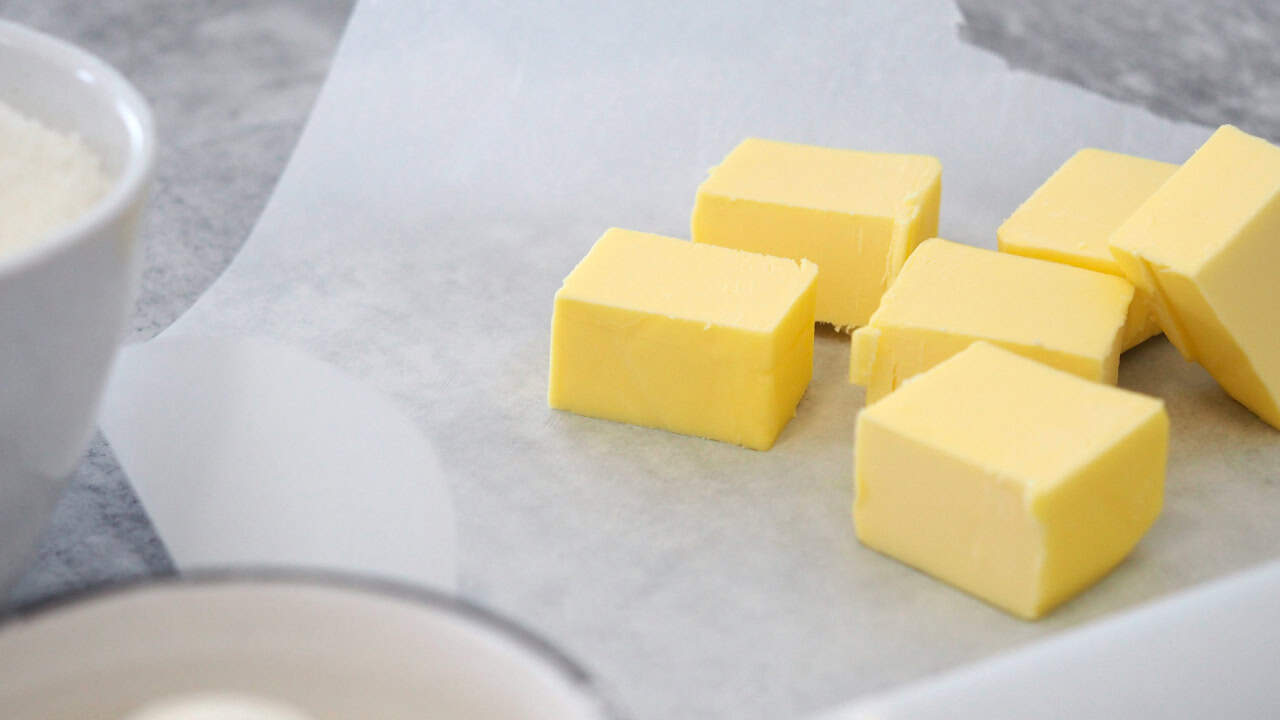
In some regions of France, butter is still made traditionally using unpasteurized cream. The cream is left to ferment naturally, which allows for the development of complex flavors.
Unpasteurized cream can create a depth of flavor that pasteurized cream simply can't match. It gives the butter a unique, robust taste that distinguishes it from other butters.
5. Variety
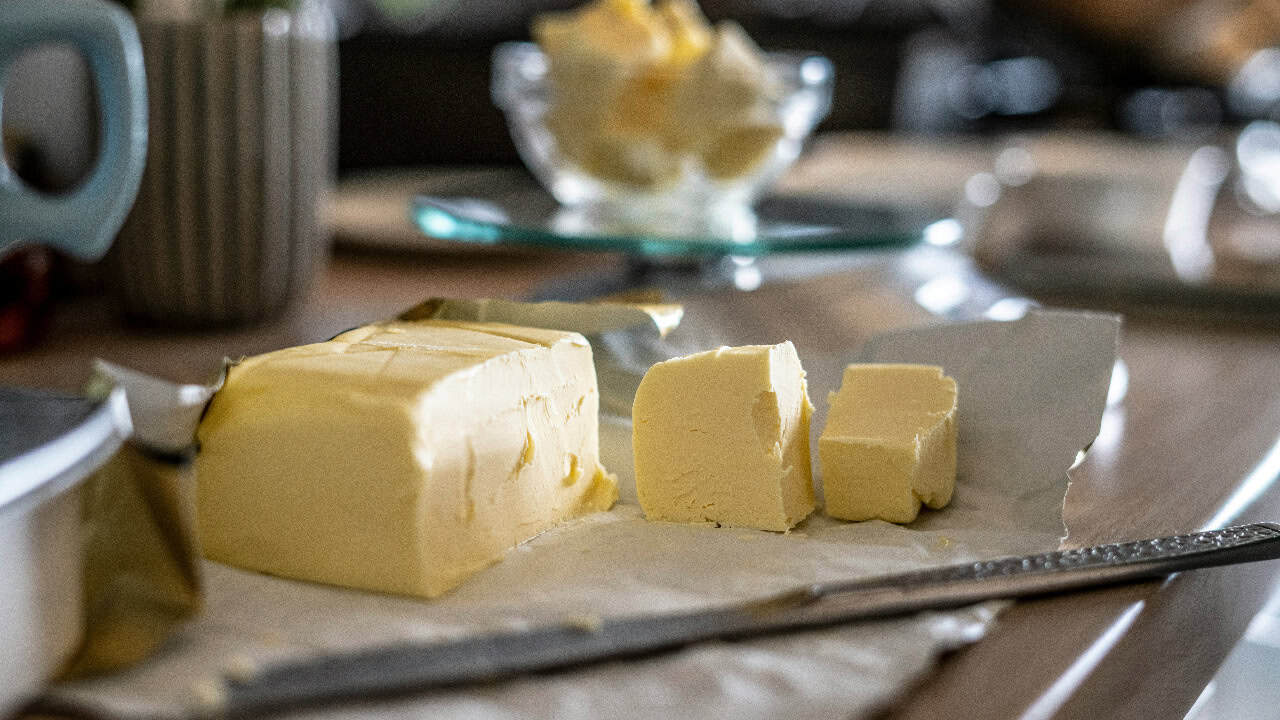
French butter comes in a variety of types, each with its own unique flavor profile. There's salted butter, unsalted butter, cultured butter, and even flavored butters like smoked butter or seaweed butter.
This variety means that there's a French butter to suit every palate and every dish. Whether you're baking a cake, cooking a steak, or simply spreading it on a piece of bread, there's a French butter that's perfect for the job.
6. Distinctive Packaging
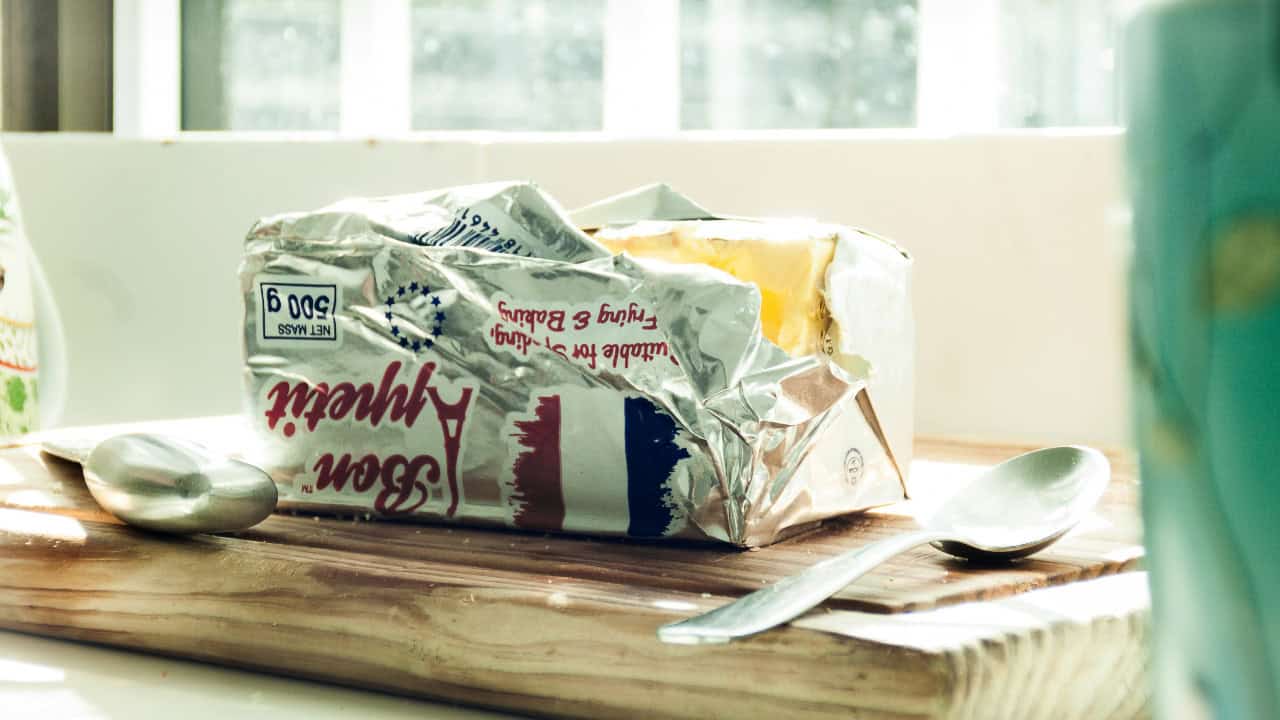
French butter often comes in distinctive packaging, which not only makes it stand out on the shelf but is also designed to keep the butter fresh and protect its flavor.
Many French butters are wrapped in foil or parchment paper, which helps to maintain the butter's quality by preventing exposure to light and air. Some are even packaged in wooden boxes, which adds an extra touch of elegance.
7. Seasonal Variations
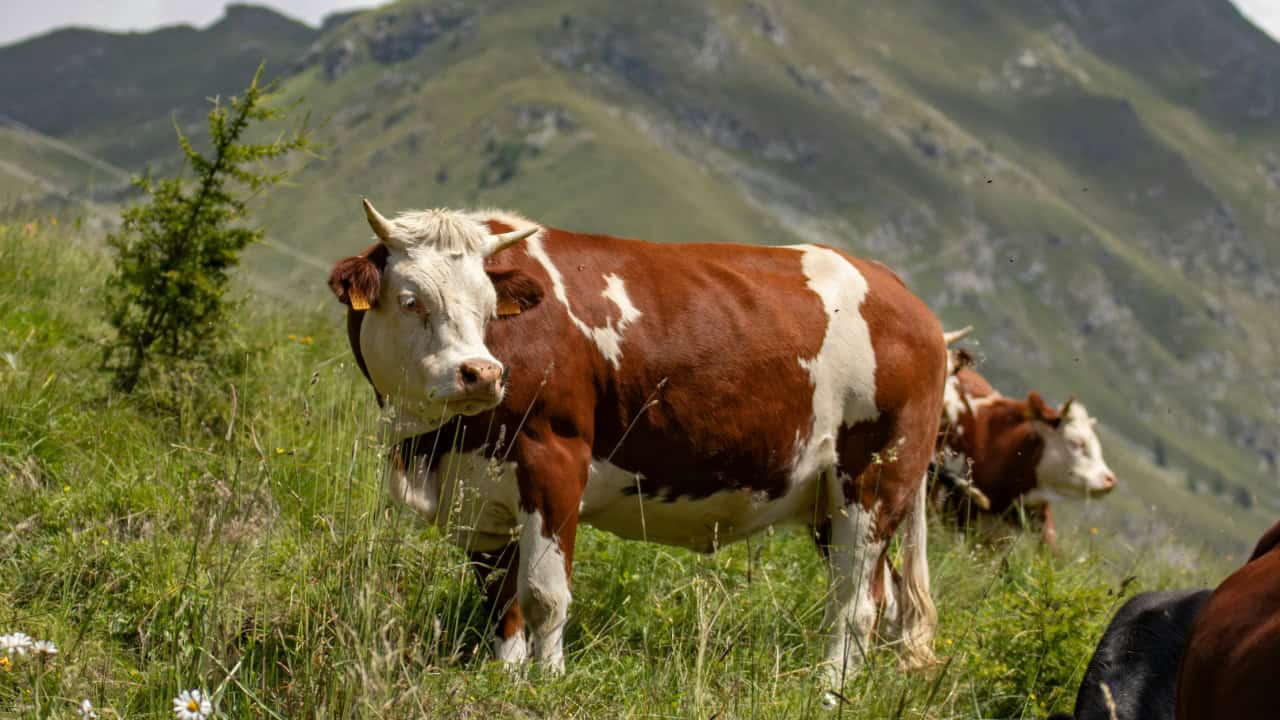
Just like wine, French butter can have seasonal variations. The diet of the cows can change with the seasons, affecting the flavor of their milk and the butter made from it.
Butter made in the spring, when cows are grazing on fresh grass, can have a lighter, more grassy flavor. Winter butter, on the other hand, can be richer and creamier. This seasonal variation adds another layer of complexity to French butter.
8. Salt Content
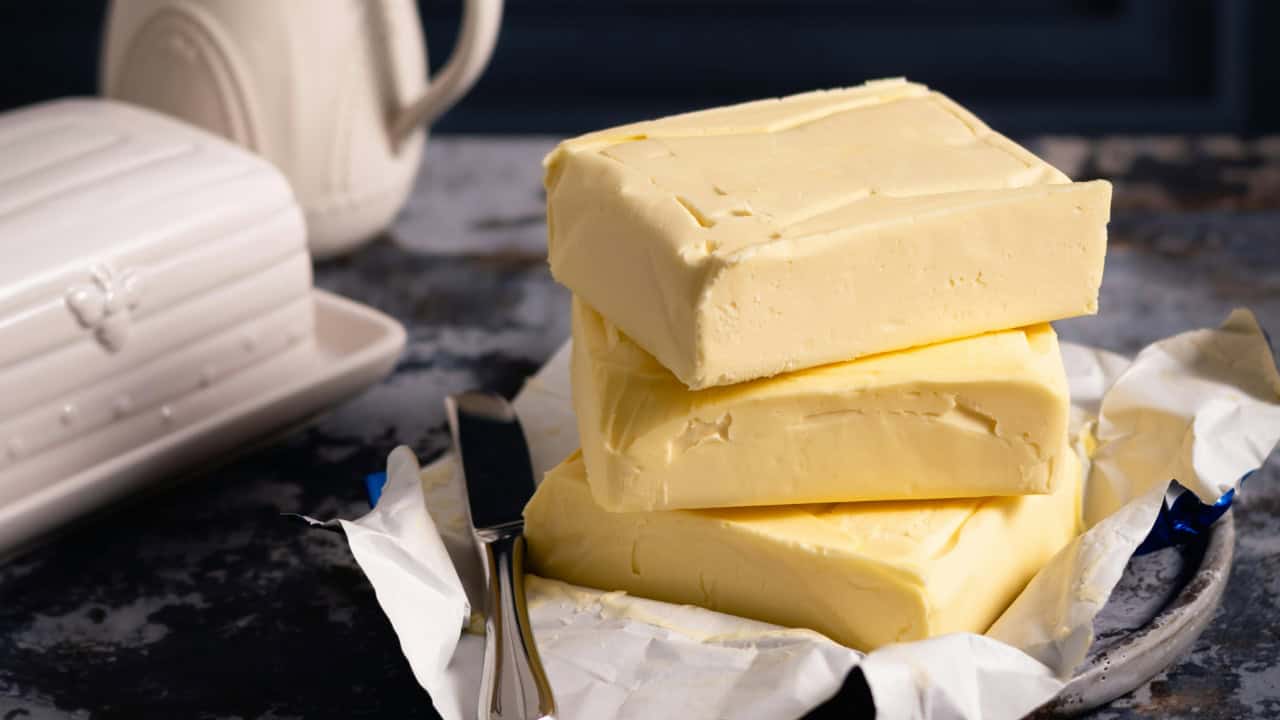
French salted butter typically contains more salt than its American counterpart. This gives it a stronger, more savory flavor that can enhance the taste of whatever it's used in.
The salt in French butter isn't just for flavor, though. It also acts as a preservative, helping to extend the shelf life of the butter. This is particularly important for traditional butters that are made with unpasteurized cream.
9. Artisanal Production
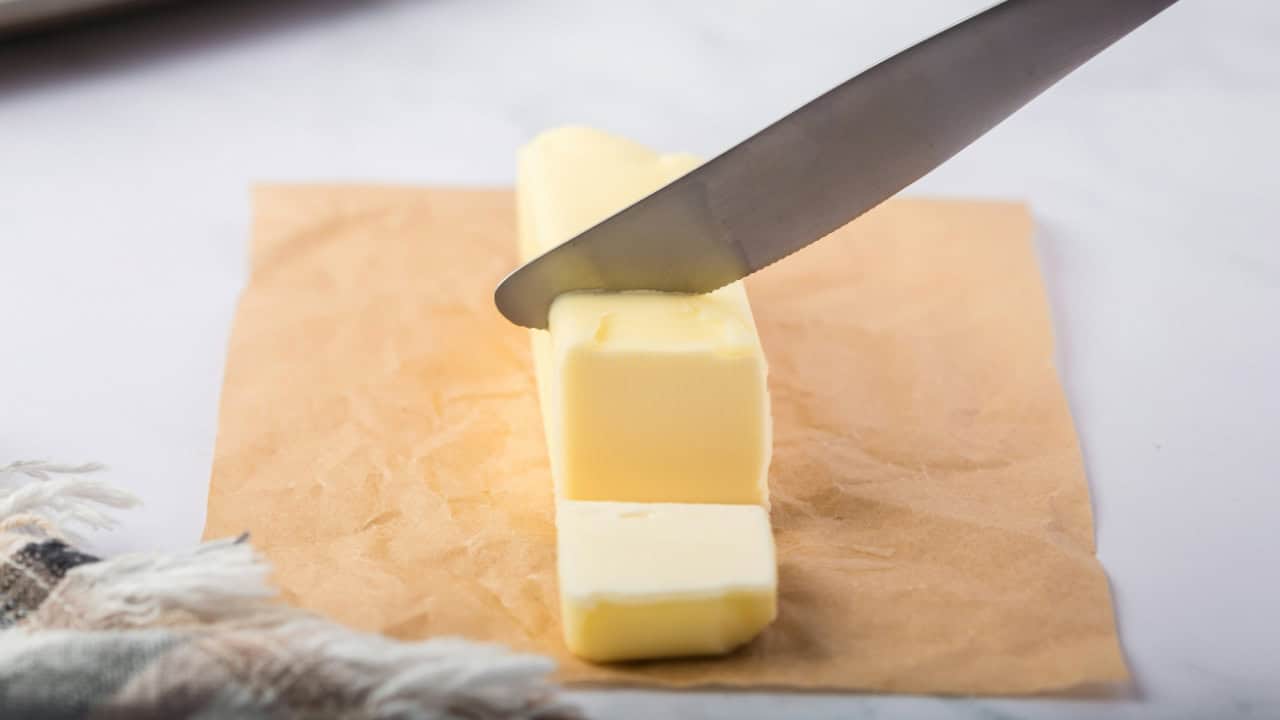
Many French butters are still made in small batches by artisanal producers. These producers take pride in their craft and are committed to maintaining the high standards of French butter production.
Artisanal production means that French butter is often fresher and higher quality than mass-produced butter. The attention to detail and care taken in its production can be tasted in every creamy, delicious bite.
10. The Role of Terroir
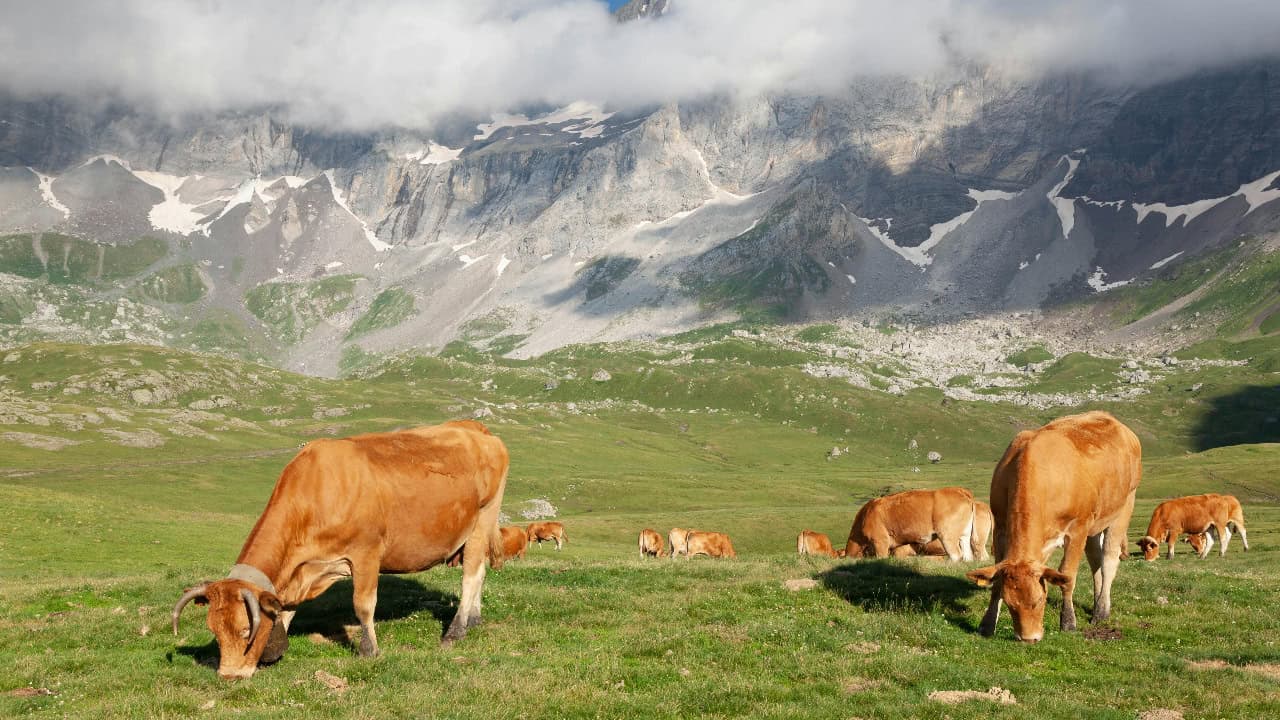
Just like with wine, the terroir, or the natural environment in which the butter is produced, can affect the flavor of French butter. Factors like the quality of the grass the cows graze on, the climate, and even the breed of cow can all influence the taste of the butter.
This is why French butter from different regions can have distinctive flavors. For example, butter from Normandy, a region known for its rich, creamy dairy products, is often considered some of the best in the world.
11. Beurre Noisette and Beurre Noir
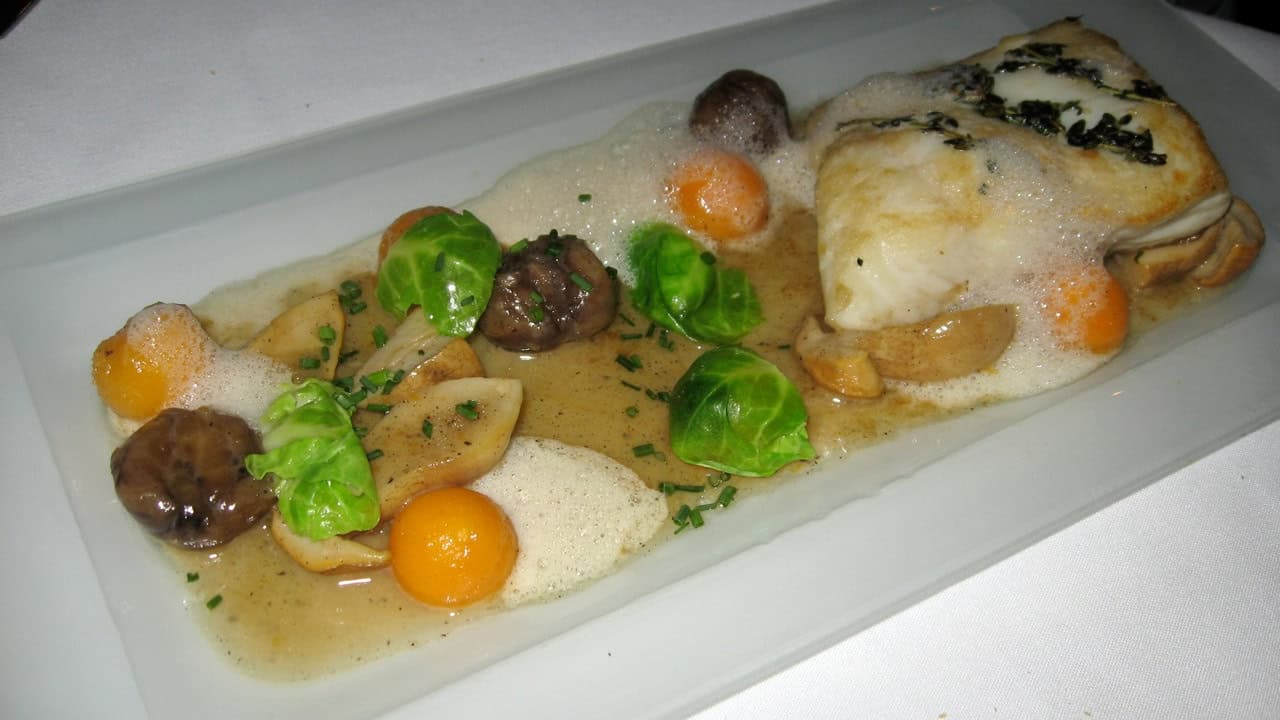
French cuisine features some unique preparations of butter, such as beurre noisette and beurre noir. Beurre noisette, or "hazelnut butter," is butter that's been heated until it turns a nutty brown color. Beurre noir, or "black butter," is similar, but it's cooked until it turns almost black.
These preparations bring out the rich, nutty flavors in the butter and can add a whole new dimension to a dish. They're just another example of the versatility of French butter.
12. Use of Sea Salt
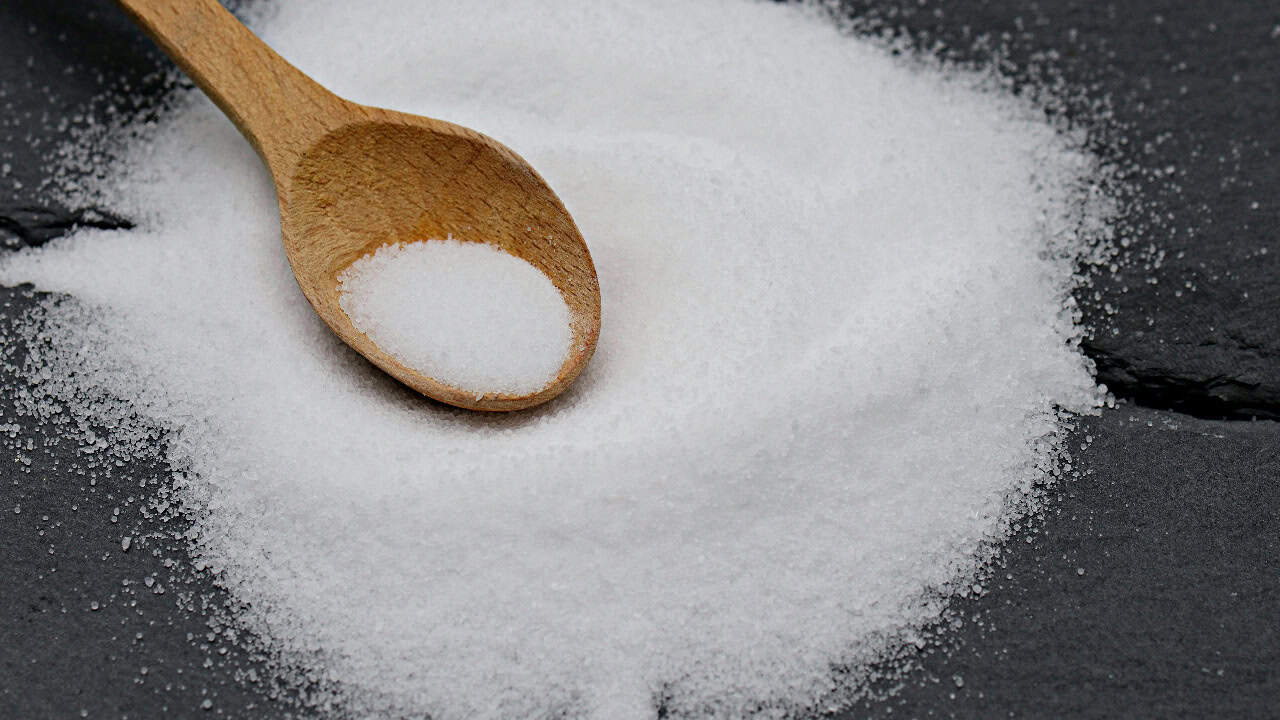
Some French butter, particularly from the Brittany region, is made with sea salt. The salt is not just mixed in; it's actually kneaded into the butter, creating a distinctive texture and flavor.
Sea salt has a briny, complex flavor that can add an extra layer of depth to the butter. It also gives the butter a slightly crunchy texture, which can be a delightful surprise when you bite into it.
13. A Staple in French Cuisine
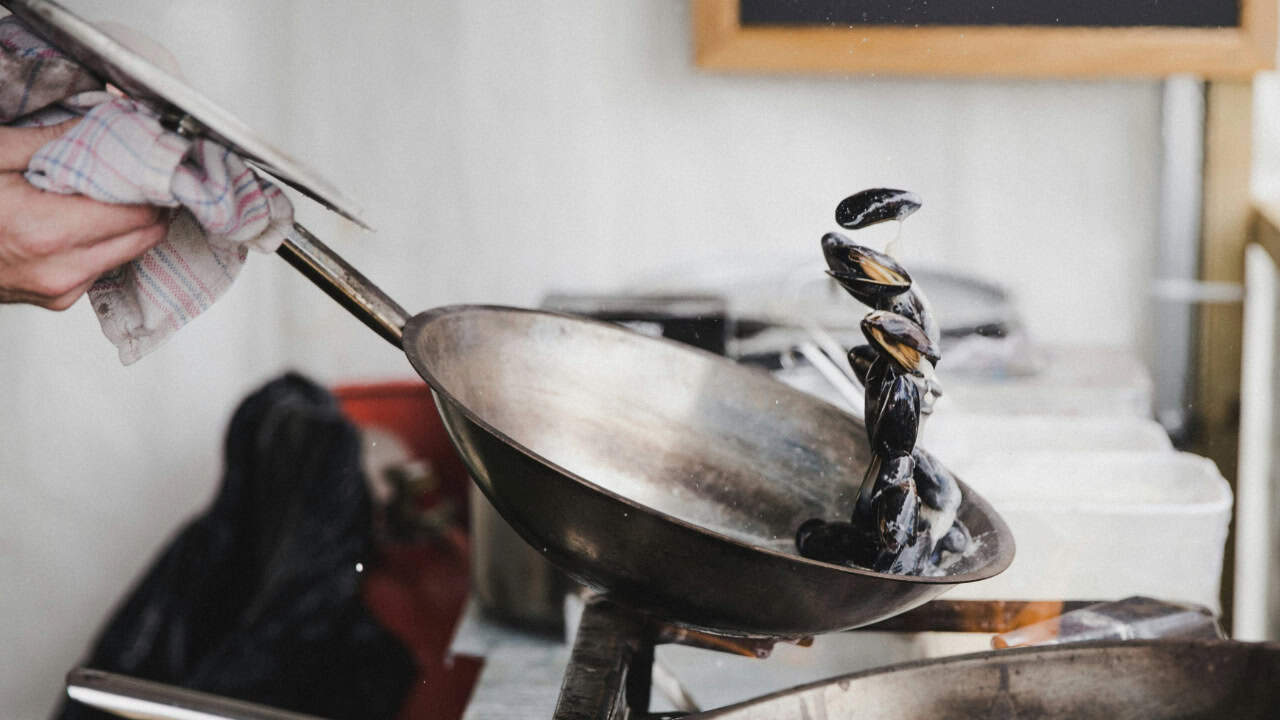
Butter is a staple in French cuisine. It's used in everything from pastries to sauces to simple dishes like omelettes. This constant use means that French cooks and chefs have become experts in using butter to its full potential.
In French cuisine, butter isn't just a spread or a cooking fat; it's a key ingredient that adds flavor and richness. This is why French butter is often more flavorful and complex than other butters.
14. The French Love Affair with Butter
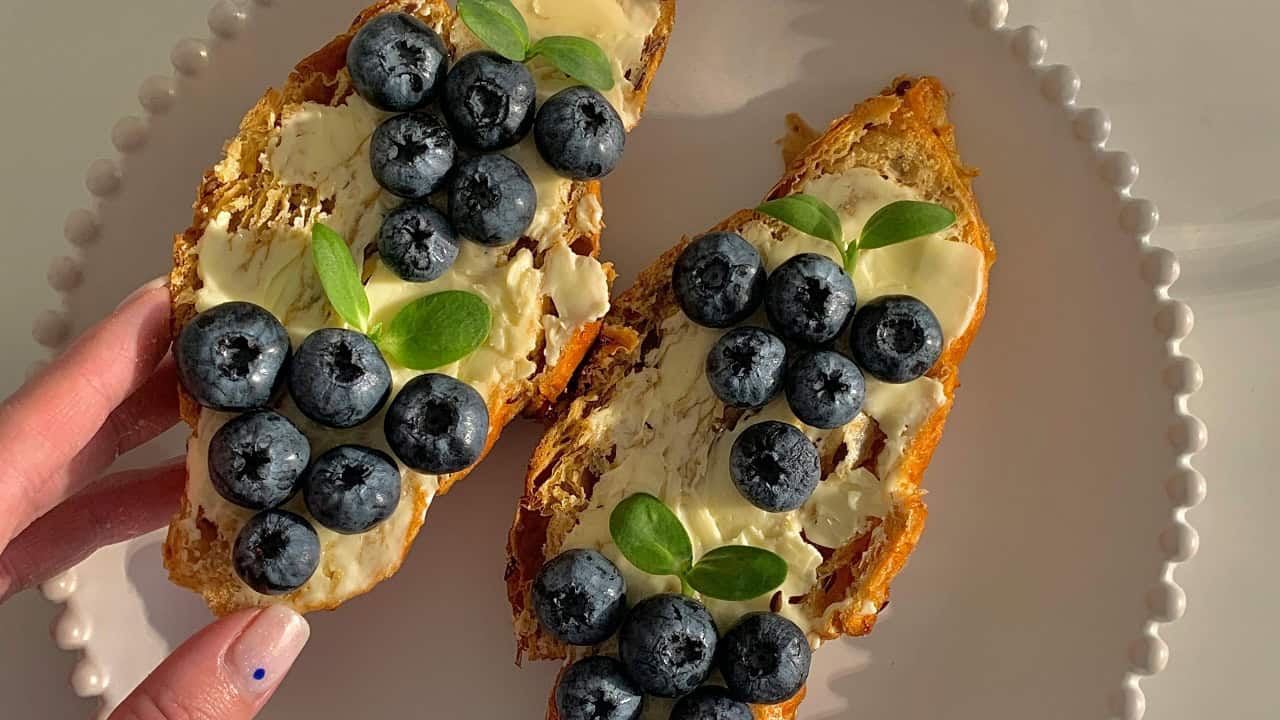
The French have a deep love and respect for butter. It's not just a food item to them; it's a part of their cultural heritage and culinary identity.
This love for butter is reflected in the quality and variety of French butters. It's also why French butter is often made with such care and attention to detail.
15. French Butter is Used as a Cooking Medium
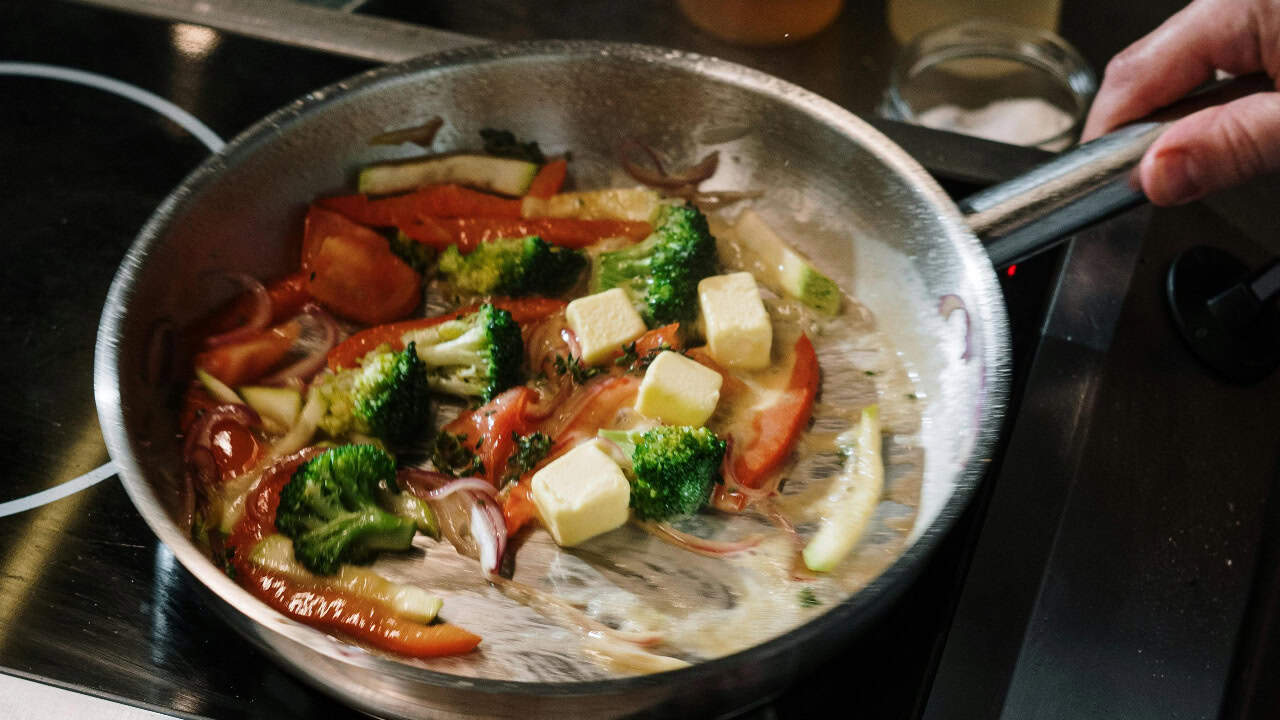
Apart from being consumed directly, French butter is also commonly used as a cooking medium. It's used for sautéing, grilling, and even deep-frying.
The high smoke point of French butter makes it suitable for high-heat cooking. It can also add a wonderful flavor to whatever is being cooked, making it a preferred choice for many chefs.
16. French Butter in Pastries
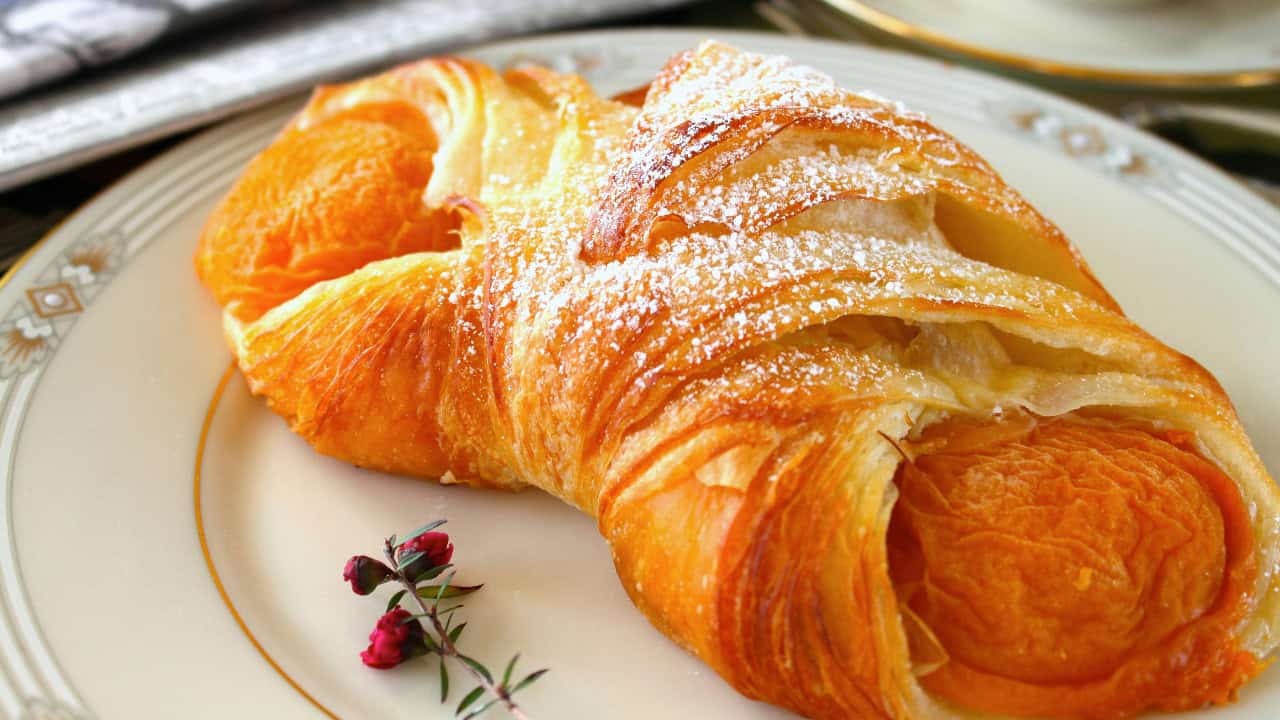
French pastries and baked goods are renowned worldwide, and French butter plays a vital role in that reputation. Its high fat content and low water content make it an excellent choice for creating flaky pastries and rich, tender cakes.
Whether it's croissants, pain au chocolat, or brioche, French butter is the secret ingredient that elevates these pastries to a whole new level of deliciousness.
French butter indeed holds a special place in the dairy world. Its unique features, exceptional quality, and the love and care put into its production make it a true culinary gem. If you haven't yet tried French butter, you're missing out on a delicious experience!