
Croissant hacks bakers swear by
As an Amazon affiliate, I earn from qualifying purchases.
Creating the perfect croissant is an art that many bakers strive to master. While the process can be intricate, a few expert tips can make a significant difference. From choosing the right ingredients to employing expert techniques, these hacks will guide you to flaky, buttery perfection.
Perfect Your Dough Lamination Technique

One of the most crucial steps in croissant making is the lamination, where dough and butter are folded together to create layers. To achieve the perfect lamination, I ensure my butter is slightly pliable but not too soft. This balance prevents the butter from breaking through the dough during rolling. I also use a rolling pin to maintain even pressure, which helps create consistent layers. For those keen to visualize the process, this video tutorial is incredibly helpful.
Croissant hacks bakers swear byAdditionally, maintaining a cool environment during lamination is essential. Heat can cause the butter to melt prematurely, which compromises the flakiness of the croissant. I often chill my rolling pin and work quickly to keep the dough cool. With practice, the lamination process becomes more intuitive, leading to beautifully layered croissants.
Use High-Quality European Butter
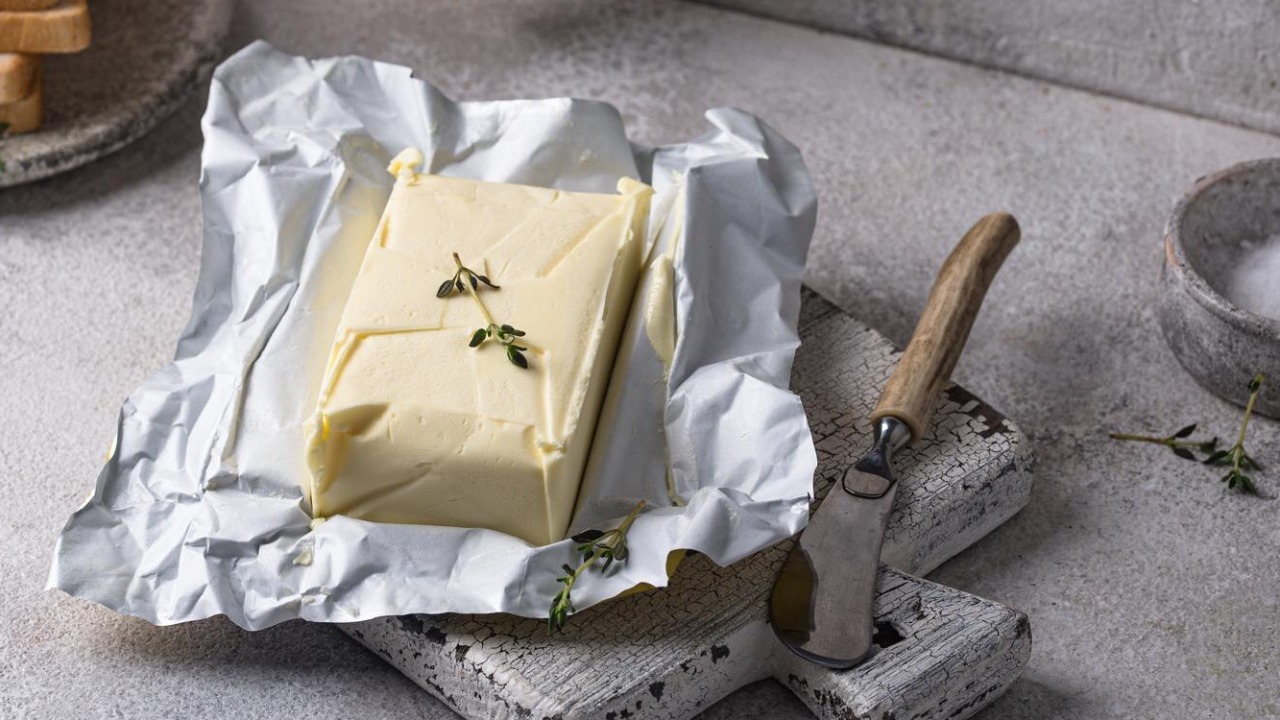
The choice of butter can make or break the flavor and texture of your croissants. I always opt for high-quality European butter, which typically has a higher fat content than its American counterparts. This higher fat content contributes to a richer flavor and better texture. Brands like Plugrá or Kerrygold are excellent choices for achieving that authentic French taste.Incorporating the right butter not only enhances flavor but also impacts the lamination process. The pliability and consistency of European butter make it easier to work with, leading to a more successful bake. The investment in quality butter pays off in the final product—a croissant that's both flavorful and flaky.
Chill Between Folds for Flakiness
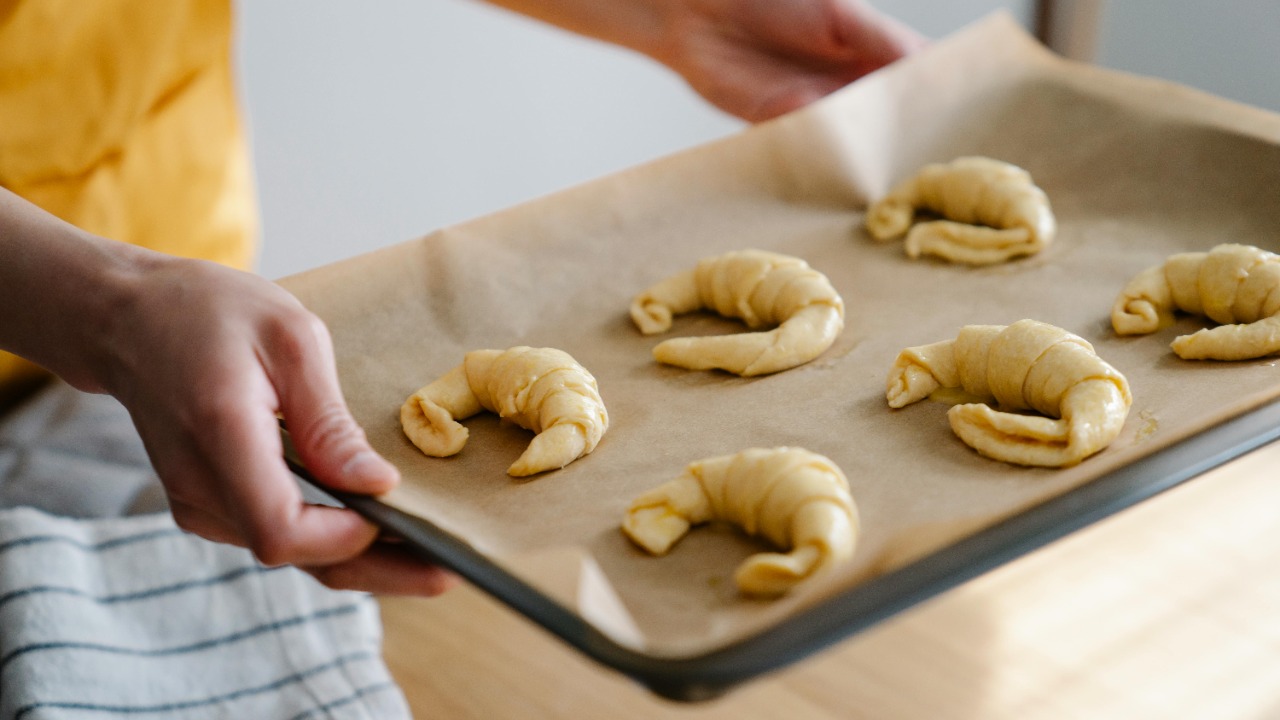
Chilling the dough between folds is a crucial step to ensure the croissants develop their characteristic layers. After each fold, I refrigerate the dough for at least 30 minutes. This resting period allows the gluten to relax and the butter to firm up, making the dough easier to handle.Skipping or shortening this step can result in a dough that's difficult to shape and lacks the desired flakiness. For those interested in learning more about the science behind chilling, this research article offers valuable insights into the role of temperature in pastry-making.
Employ an Overnight Proof for Flavor
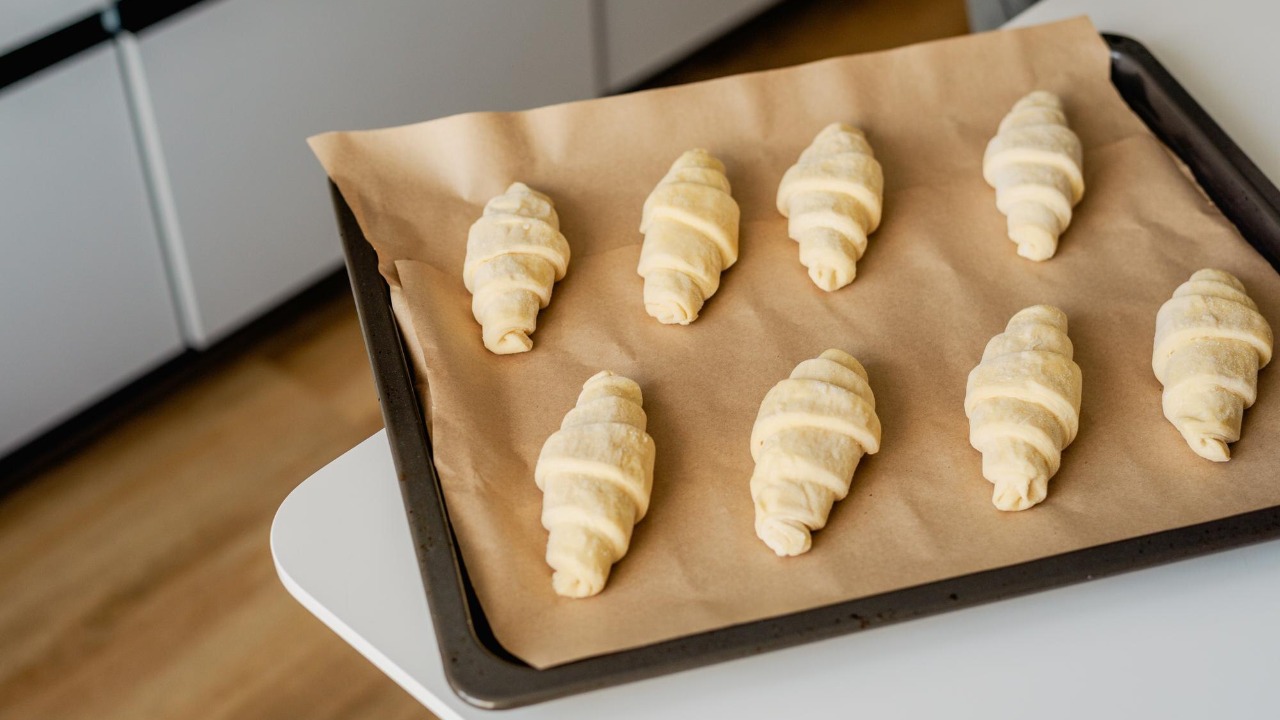
An overnight proof deepens the flavor of the croissants, as the yeast has more time to develop complex notes. I usually let the shaped croissants rise in the refrigerator overnight, allowing them to proof slowly and evenly. The extended fermentation time results in a more nuanced taste.In the morning, I let the croissants come to room temperature before baking, which ensures they rise properly in the oven. This method not only enhances flavor but also simplifies the baking process, allowing you to enjoy fresh croissants with minimal morning effort.
Experiment with Different Fillings
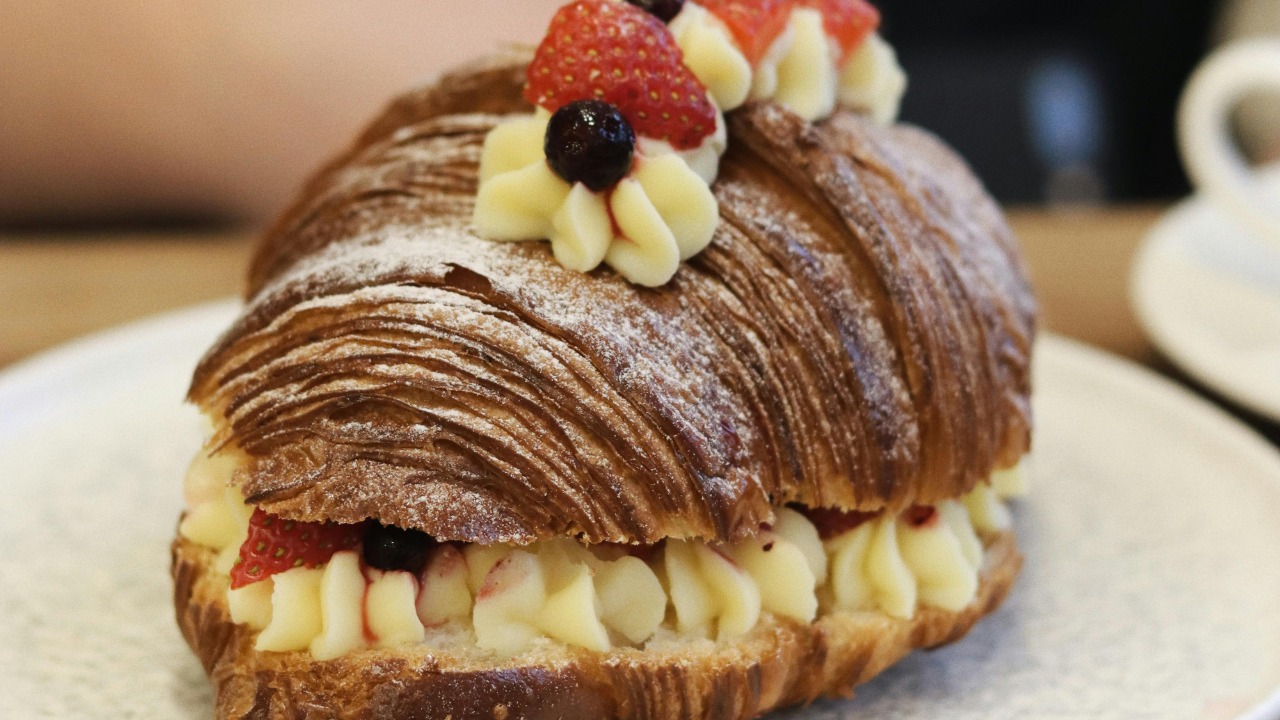
While traditional butter croissants are a classic, experimenting with fillings can elevate your baking game. From almond paste to chocolate, there are countless options to explore. I personally enjoy filling croissants with a mixture of cream cheese and raspberry jam for a sweet and tangy twist.For inspiration, I often look to creative bakers online, such as Catherine Desserts, who shares endless ways to innovate with croissant fillings. Whether savory or sweet, the possibilities are endless and delightful.
Master the Art of the Egg Wash
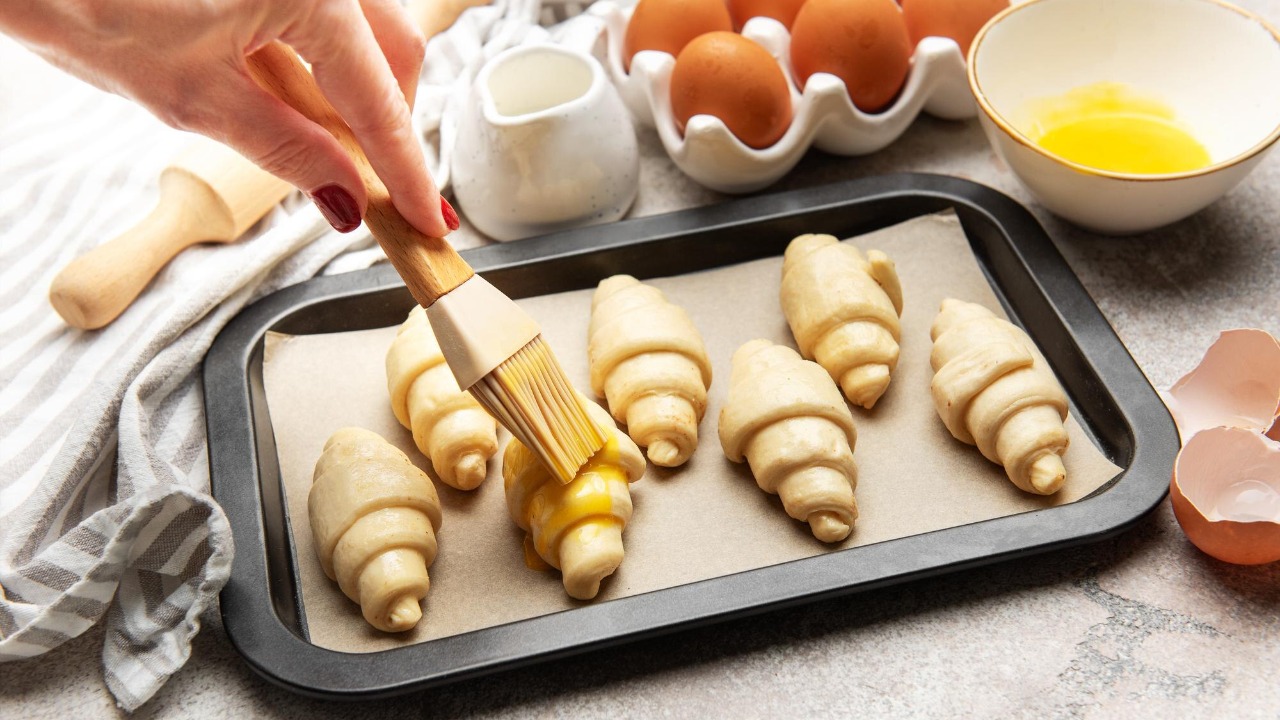
The final touch before baking is the egg wash, which gives croissants their shiny, golden crust. I use a simple mixture of beaten egg and a splash of milk or cream, applying it evenly with a pastry brush. This step not only adds visual appeal but also enhances the texture of the crust.Applying the egg wash just before baking ensures a glossy finish. It's important not to overdo it, as too much can lead to an overly browned crust. A light hand achieves the best results, making your croissants look as delectable as they taste.