How to read a French menu like a pro
As an Amazon affiliate, I earn from qualifying purchases.
Navigating a French menu can feel overwhelming if you're not familiar with the language and culinary culture. From understanding the terminology to recognizing regional specialties, there's a lot to uncover. This guide will help you read a French menu like a pro and enhance your dining experience.
Understanding French Menu Structure
Course Breakdown
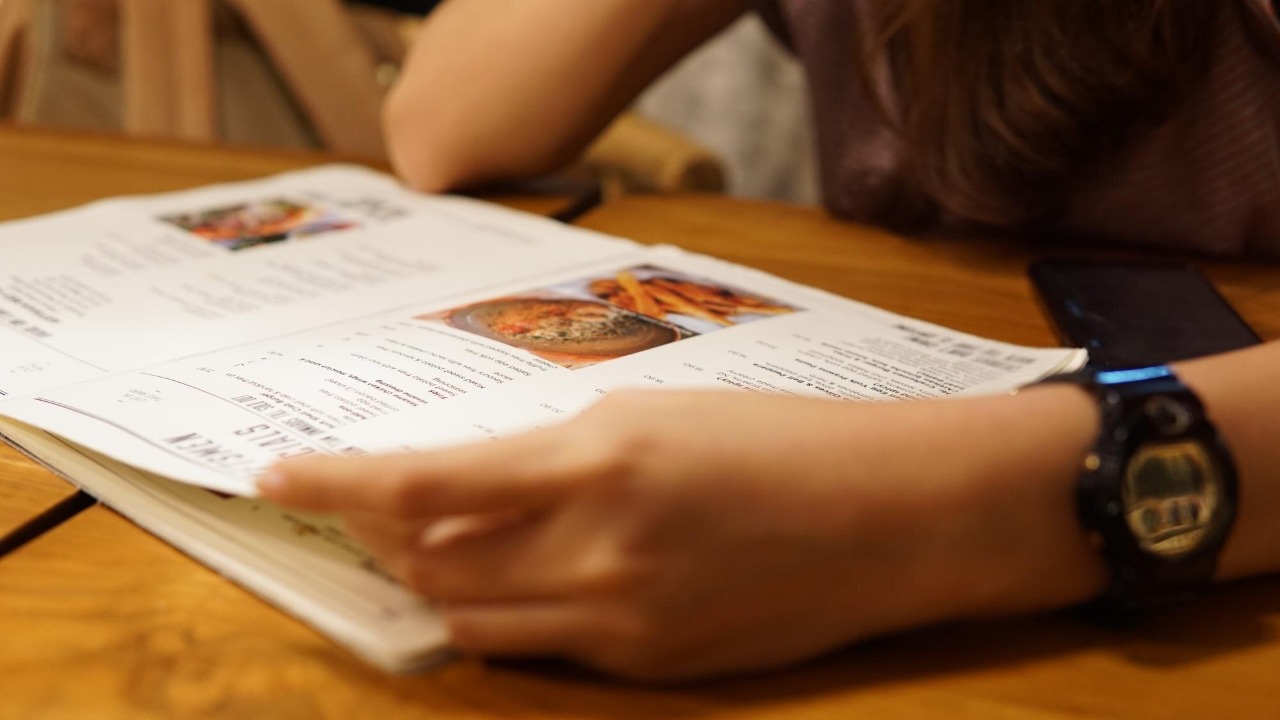
When dining in France, understanding the typical structure of a meal is crucial. A traditional French meal often consists of three main courses: the "entrée," "plat principal," and "dessert." The entrée is not the main course but rather the starter, which might include dishes like pâté or a simple salad. The plat principal, or main course, follows and is usually a hearty dish such as coq au vin or bouillabaisse. Finally, the meal concludes with a dessert, which could range from a rich tarte Tatin to a delicate crème brûlée.
Common Terms and Phrases
Familiarizing yourself with essential French menu vocabulary can greatly enhance your dining experience. Terms like "à la carte" and "prix fixe" are commonly used. "À la carte" refers to ordering individual dishes rather than a set menu, while "prix fixe" offers a set menu at a fixed price. This often includes a selection of courses at a more economical rate.
Regional Specialties
France is known for its diverse regional specialties. For instance, in Provence, you'll find dishes rich in olive oil, tomatoes, and fresh herbs, while in Normandy, you'll encounter creamy sauces and apple-based desserts. Each region's culinary offerings reflect its local agriculture and history, making dining in different parts of France a unique experience.
Decoding French Culinary Terms

Ingredients and Cooking Styles
Understanding French culinary terms can help you better appreciate the flavors on your plate. Familiarize yourself with cooking methods like "grillé" for grilled and "braisé" for braised. These terms indicate how the dish is prepared and can influence your choice based on personal taste. A classic example is "canard à l’orange," where the duck is roasted and paired with a tangy orange sauce.
Dairy and Produce Vocabulary
French cuisine heavily relies on dairy and fresh produce. Words like "fromage," meaning cheese, and "champignons," meaning mushrooms, are staples in many dishes. France is home to hundreds of cheese varieties, each with its own unique flavor profile, from creamy Brie to pungent Roquefort.
Meat and Seafood Identification
Identifying meats and seafood on a French menu is key to selecting a dish you’ll enjoy. Terms such as "boeuf" for beef, "agneau" for lamb, and "poulet" for chicken are common. Seafood options like "coquilles Saint-Jacques" refer to scallops, often prepared with a delicate sauce or in a gratin. Understanding these terms can help you navigate the menu confidently.
Tips for Ordering with Confidence

Pronunciation Guide
Practicing key phrases and words can ensure clear communication with the waitstaff. Some basic phrases to practice include "S'il vous plaît" for "please" and "Je voudrais" to say "I would like." These polite expressions can make your dining experience smoother and more enjoyable.
Asking Questions
Knowing how to ask about dish ingredients or cooking methods politely is essential. You might ask, "Quels sont les ingrédients?" to inquire about the ingredients or "Comment est-ce cuisiné?" to learn about the cooking method. Don’t hesitate to seek clarification; most waitstaff appreciate your interest in their cuisine.
Dietary Restrictions
If you have dietary restrictions, it's important to express them clearly. Phrases like "Je suis allergique à" followed by the allergen or "Je suis végétarien(ne)" for vegetarians can help you communicate your needs effectively. This ensures that you enjoy a meal that suits your dietary preferences.
Enhancing Your Dining Experience
Wine Pairings
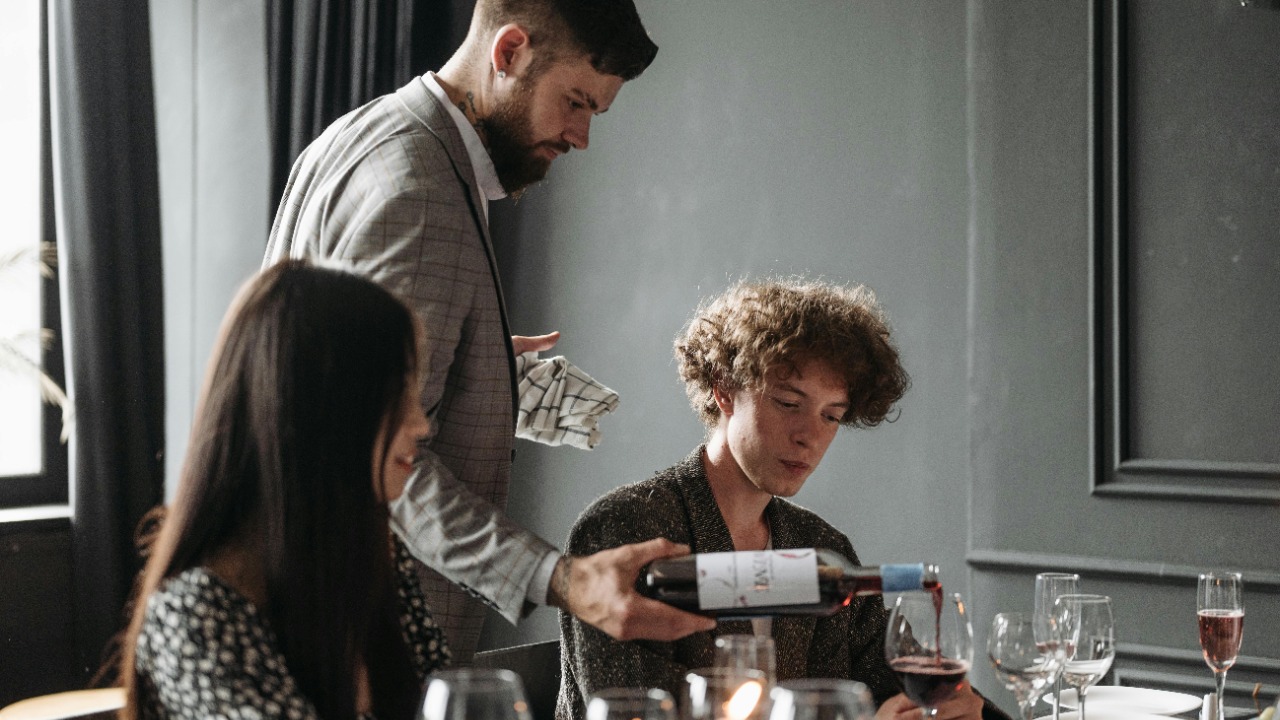
Selecting the perfect wine to complement your meal can elevate your dining experience. France offers a vast array of wines, from the bold reds of Bordeaux to the crisp whites of Alsace. Consider asking for recommendations based on your chosen dishes to ensure a harmonious pairing.
Cultural Etiquette
Understanding French dining customs enhances the overall experience. Take your time to savor each course and engage in conversation with your dining companions. This leisurely approach is central to French dining culture.
Dessert and Digestifs
Concluding your meal with a dessert and digestif is a cherished French tradition. Desserts like "mille-feuille" or "profiteroles" offer a sweet end to the meal, while digestifs such as "cognac" or "armagnac" aid in digestion. Choosing these thoughtfully can add a satisfying conclusion to your dining experience.