How to tip in France without overpaying
As an Amazon affiliate, I earn from qualifying purchases.
Tipping in France can be a perplexing experience for many travelers, as the customs differ significantly from those in other countries. Understanding the nuances of French tipping culture can help ensure you show appreciation without overpaying. This article will guide you through the essential practices of tipping in France, allowing you to navigate social expectations with ease.
Understanding French Tipping Culture

Historically, the concept of tipping in France has roots tracing back to the 15th century when it was customary to give small gratuities to servants for their services. Over time, this practice evolved, but today, tipping in France is more nuanced compared to countries like the United States, where gratuities are a significant part of service employees' wages. The French system ensures that employees receive a fair wage, which is why tipping is not obligatory in many situations.One key aspect of French dining is the term "service compris," which means "service included." This is often noted on restaurant bills, indicating that the service charge is already factored into the price of the meal. This has led to a more relaxed approach to tipping, as patrons are not expected to make up for low wages. However, leaving a little extra change as a token of appreciation is always a kind gesture if you receive exceptional service.French cultural attitudes towards tipping also reflect broader social norms and values. The French tend to view tipping as a way to acknowledge good service rather than a requirement. This stems from a cultural preference for equality and fair wages, ensuring that employees receive a consistent salary without relying on tips. As a result, tipping in France is often seen as a voluntary bonus rather than an obligation.
Tipping Etiquette in Restaurants

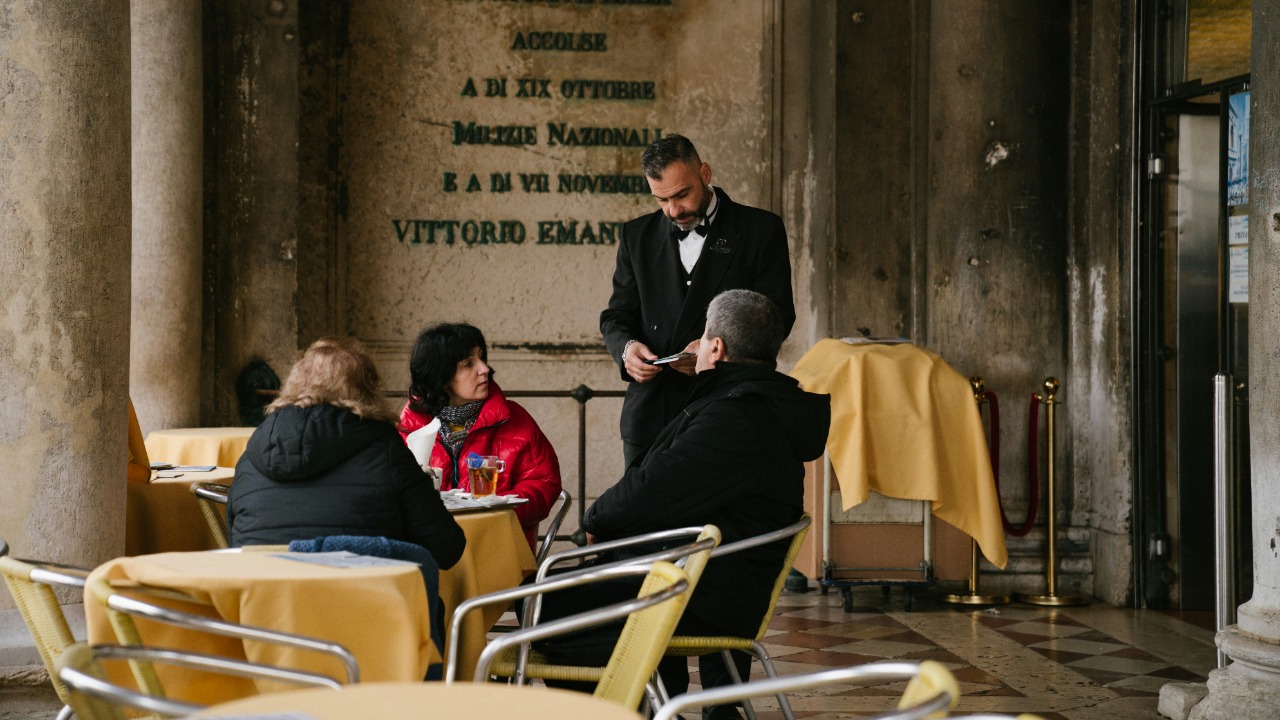
Knowing when to tip in French restaurants can help avoid awkward situations. Generally, tipping is not expected in casual eateries like cafés and bistros since "service compris" is typically included. However, in higher-end restaurants where the service is more personalized, leaving a small tip is appreciated if you felt the service was above average. A few euros or rounding up the bill is usually sufficient.Determining how much to tip can be challenging for visitors. In casual settings, rounding up to the nearest euro or leaving a couple of euros is considered polite. In more formal dining experiences, leaving 5-10% of the total bill is customary if you feel inclined to show additional appreciation. It’s important to remember that these tips are seen as bonuses for good service rather than a necessity.The decision to tip in cash or add it to your card payment can depend on the establishment. Generally, leaving cash is preferred, as it ensures the server receives the tip directly. However, if you're short on cash, it's acceptable to add a tip to your card payment. Just be sure to inform the server so they can process it accordingly.
Tipping in Other Service Industries
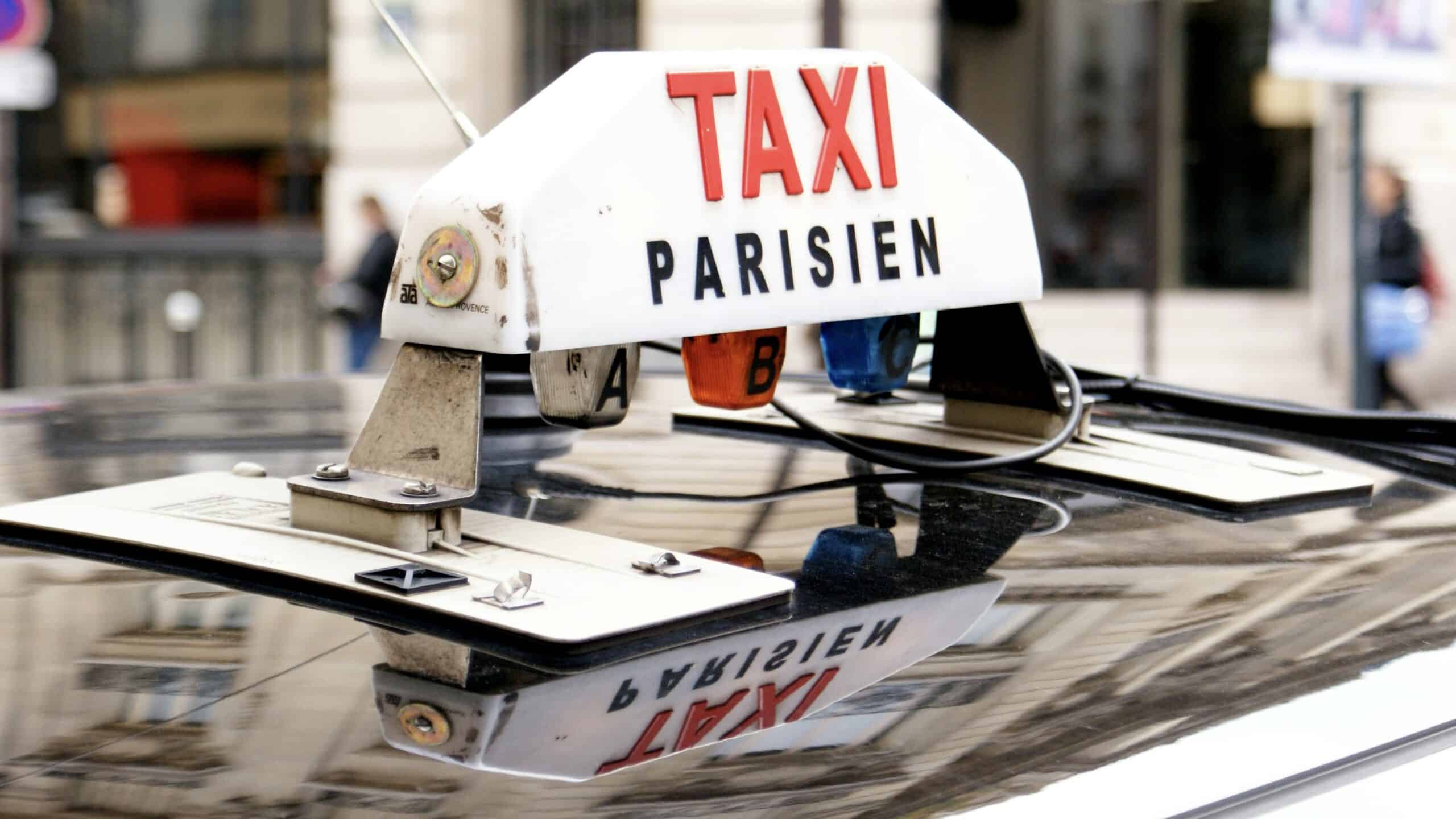
When staying in hotels, knowing whom to tip can enhance your experience. Housekeeping staff often appreciate a small gratuity, such as one or two euros per day, left in your room. For concierge services, a tip of 5-10 euros is suitable if they provide exceptional assistance. Bellhops, too, can be tipped a couple of euros per bag they help you with.Transportation services have their own set of tipping norms. For taxi drivers, it's common to round up to the nearest euro or leave a small tip of around 5-10% of the fare. Ride-sharing services like Uber do not require tips, but drivers certainly appreciate them. For airport shuttles, a euro or two per bag is a nice gesture if the driver assists with your luggage.In personal service settings, such as hairdressers or spas, tipping is a way to express gratitude for personalized attention. A tip of 5-10% of the service cost is usually well-received. For tour guides who offer an engaging and informative experience, a tip of 5-10 euros per person is a reasonable amount.
Common Mistakes to Avoid
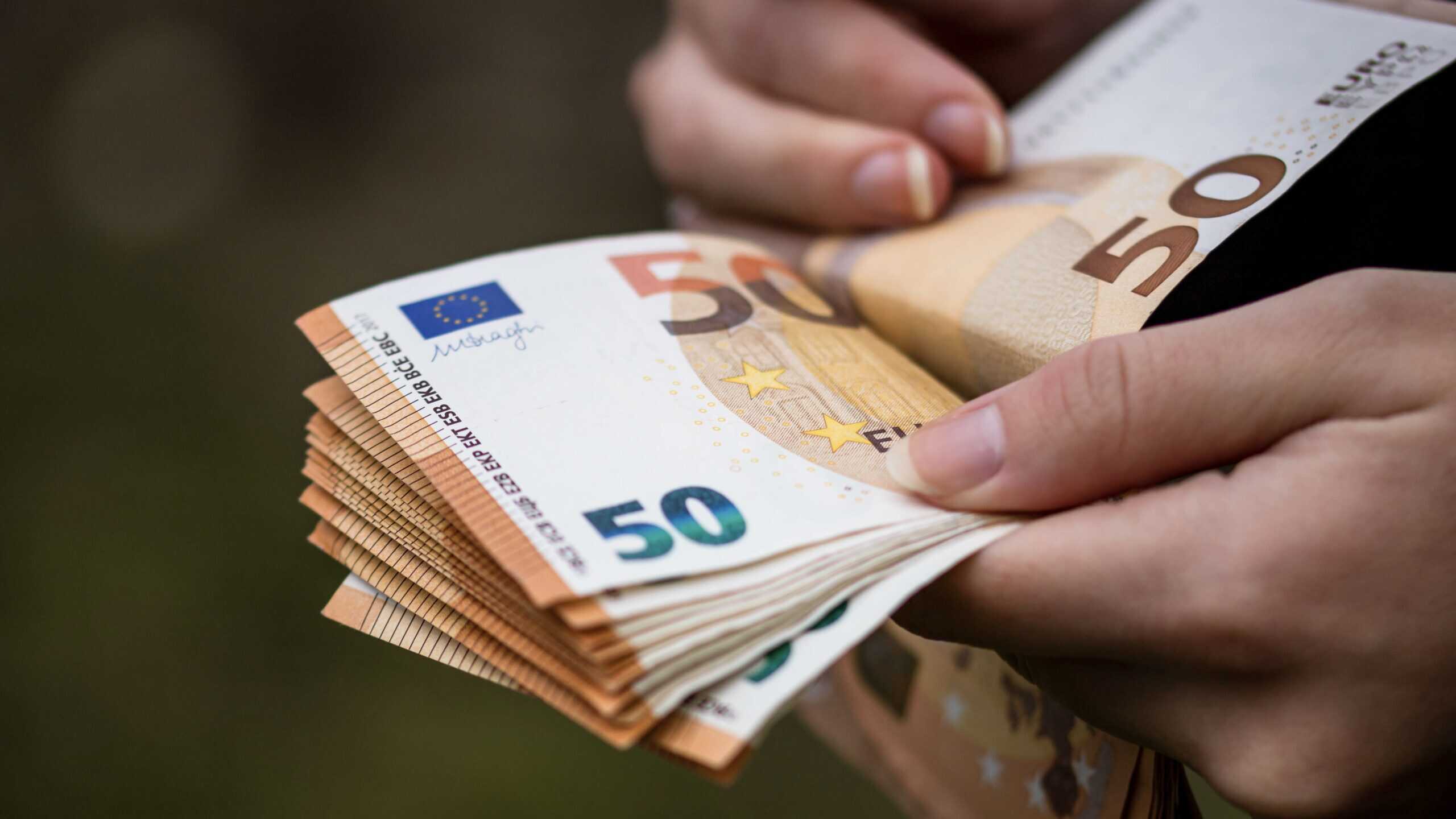
Over-tipping is a common mistake that many travelers make, often due to unfamiliarity with local customs. In France, leaving an excessive tip can be seen as ostentatious or as an implication that the server is underpaid. To avoid this, adhere to the local norms and remember that tipping is not mandatory.Another pitfall is ignoring local customs by applying tipping practices from your home country. For instance, in the United States, tipping 15-20% is standard, but in France, this can be perceived as excessive. Always adapt to the local culture to avoid any unintended offense.Misunderstanding service charges can lead to double tipping, which is unnecessary. It's important to clarify the difference between service charges and tips. If "service compris" is on the bill, the service charge is already included, so any additional tip should reflect exceptional service rather than a necessity.
Practical Tips for Tipping in France
When unsure about tipping practices, using a few useful French phrases can help you inquire without offending. Phrases like "Est-ce que le service est compris?" (Is the service included?) or "Je peux laisser un pourboire?" (Can I leave a tip?) can be helpful.To budget effectively for tips, plan your travel expenses with the anticipation of leaving small gratuities in various scenarios. This can prevent any surprises and ensure you have cash on hand when needed. Budgeting ahead makes it easier to tip appropriately without feeling pressured.Finally, be aware of regional differences in tipping practices across France. While Paris is more accustomed to tourists and their tipping habits, rural areas may have different expectations. Being adaptable and considerate of regional customs will enhance your travel experience and interactions with locals.