Salt mistakes chefs never make
As an Amazon affiliate, I earn from qualifying purchases.
Salt is an essential ingredient in cooking, elevating flavors and transforming dishes from bland to brilliant. While it may seem simple to use, seasoned chefs understand the nuances of salt application, avoiding common pitfalls that can ruin a dish. Discover the salt mistakes that chefs never make, ensuring their culinary creations are always perfectly seasoned.
Understanding the Role of Salt in Cooking
Enhancing Flavor, Not Overpowering
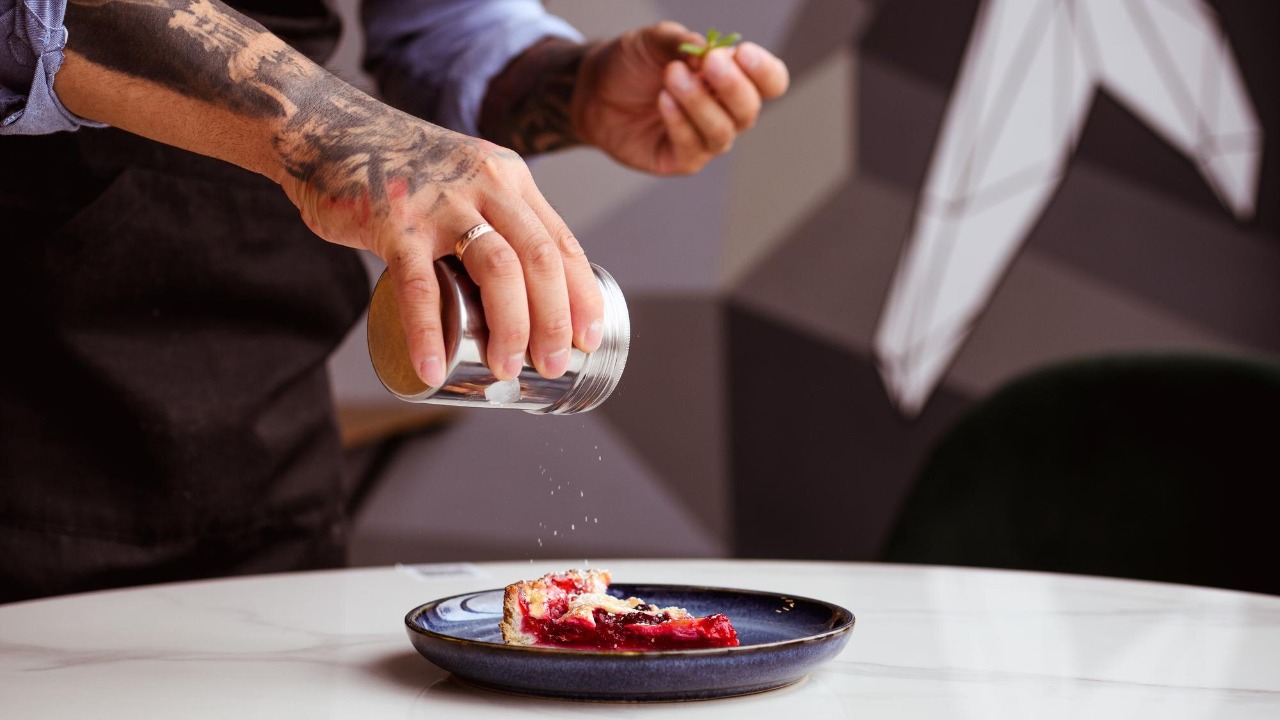
Chefs know that salt is meant to enhance the natural flavors of a dish, not dominate them. By adding salt incrementally, they ensure that the seasoning is just right, tasting as they go to achieve the desired flavor. This practice of restraint prevents dishes from becoming overly salty, which can overshadow the intended taste.
Balancing Salt with Other Seasonings
Professional chefs appreciate the delicate balance of salt with other seasonings and ingredients. They understand when to let spices or acids take center stage in flavoring a dish. This skillful balancing act creates a harmonious flavor profile that leaves diners wanting more, with each ingredient playing its part.
Using Salt to Modify Texture
Salt isn't just about flavor; it also affects the texture of food. Chefs use salt to draw moisture out of vegetables, enhancing their crunch, or to tenderize proteins like meats and poultry. This strategic use of salt helps achieve the desired textures, whether it’s a crispy vegetable dish or a succulent piece of meat.
Choosing the Right Type of Salt
Distinguishing Between Salt Varieties
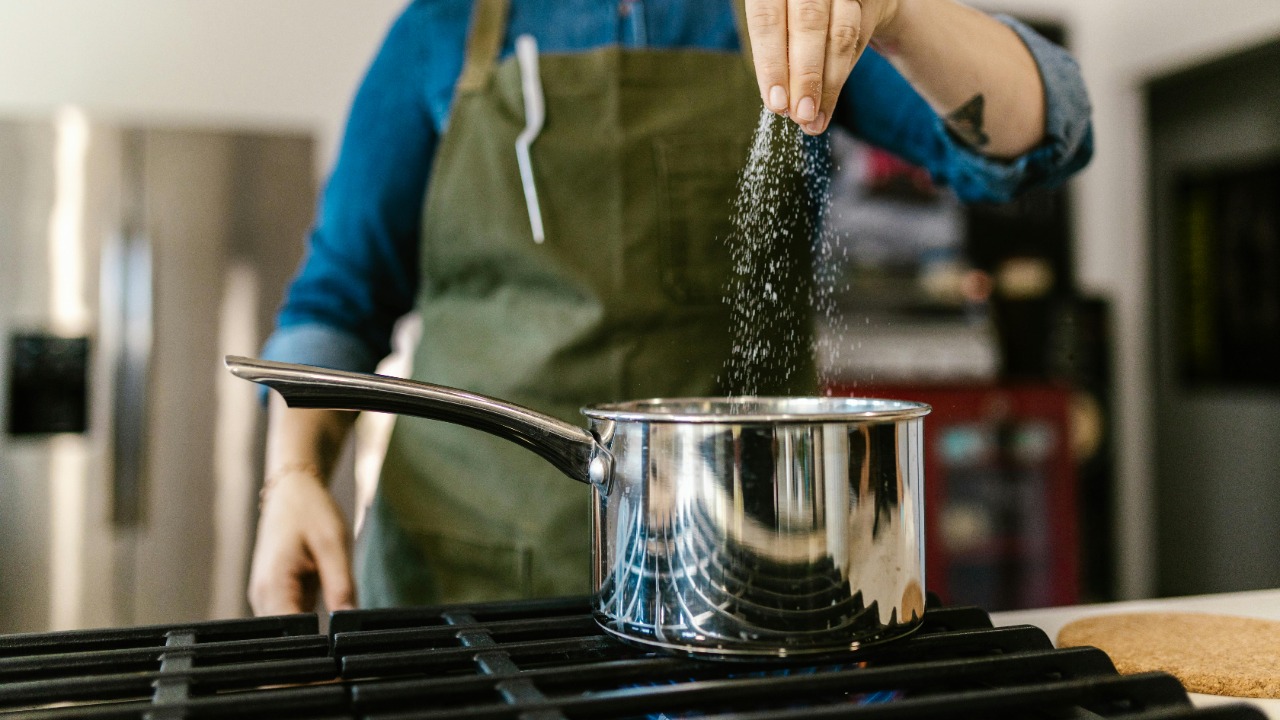
Understanding the differences between table salt, kosher salt, and sea salt is crucial for chefs. Each type has its unique characteristics, such as texture and flavor, which influence its application in recipes. Chefs select the appropriate salt type to complement their dishes, ensuring the seasoning enhances rather than diminishes the meal.
Understanding the Impact of Salt Grain Size
The size of salt grains can greatly affect how salt is absorbed and perceived in a dish. Chefs choose the grain size that aligns with their cooking methods and the specific dish they are preparing. Finer grains dissolve quickly and are suitable for quick-cooking dishes, while coarser grains are ideal for processes like curing or roasting.
Avoiding Over-reliance on Specialty Salts
Specialty salts, such as Himalayan pink salt or smoked salt, offer unique flavor profiles. However, chefs use these salts judiciously, complementing rather than overpowering the dish. The key is to enhance the dish with subtlety, allowing the primary ingredients to shine through.
Timing and Technique in Salt Application
The Importance of Timing
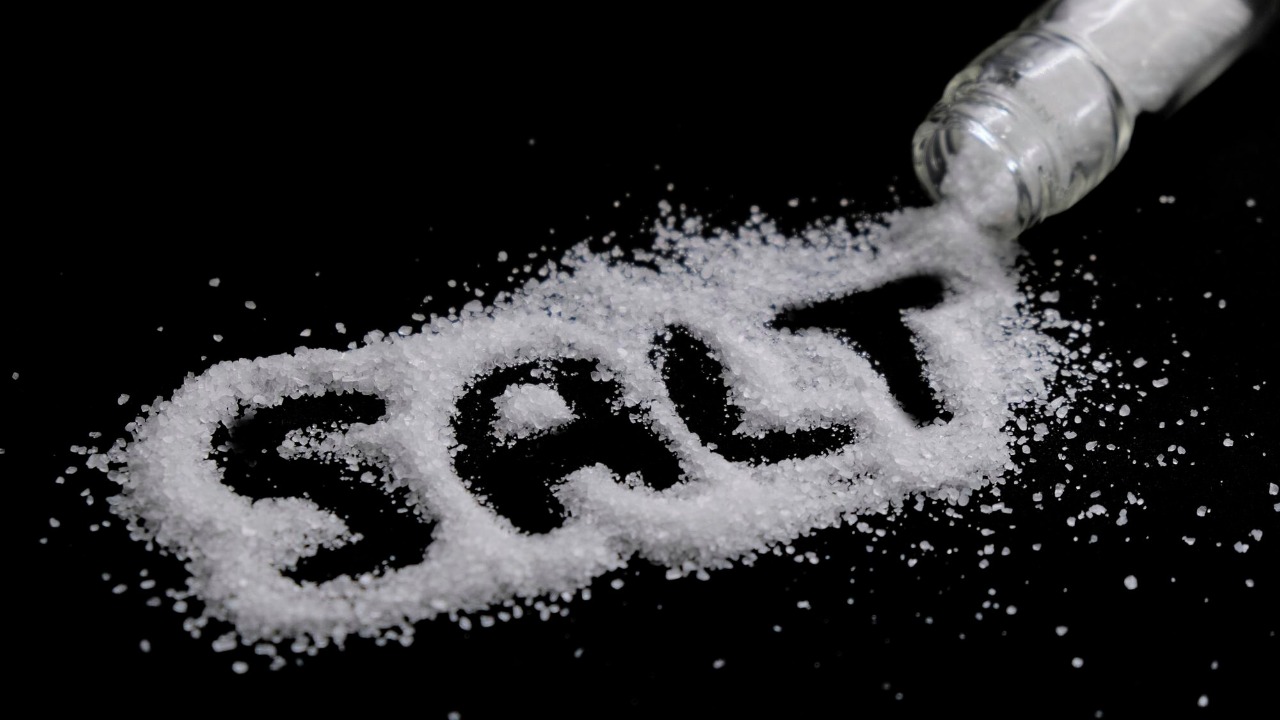
Timing is everything when it comes to adding salt. Chefs understand that salting at different stages of cooking can result in varying levels of seasoning and flavor development. By salting early, they can enhance the overall flavor, while late-stage salting can provide a final flavor boost just before serving.
Mastering the Art of Seasoning to Taste
Seasoning to taste is a hallmark of professional chefs. By continuously tasting and adjusting the seasoning throughout the cooking process, chefs achieve the perfect balance of flavors. This attention to detail ensures that their dishes are consistently well-seasoned and delicious.
Utilizing Salt in Cooking Techniques
Chefs employ techniques such as brining, curing, and salting pasta water to enhance flavor and texture. These methods demonstrate their comprehensive understanding of salt's role in cooking, allowing them to create dishes with depth and complexity.
Common Salt Myths Debunked

Myth: All Salt Is the Same
While many may believe that all salts are created equal, chefs know that each type of salt brings distinct flavors and textures to a dish. This understanding allows them to choose the right salt for the culinary task at hand, ensuring the best possible outcome.
Myth: More Salt Equals More Flavor
The notion that more salt means more flavor is a misconception. Chefs focus on achieving balanced flavors, recognizing that excessive salt can ruin a dish. By concentrating on balance, they create dishes that are savory and satisfying without being overly salty.
Myth: Salt Is Only for Savory Dishes
Professional chefs understand that salt plays a crucial role in sweet dishes as well. Used sparingly, salt can enhance the sweetness and add depth to desserts like pastries and chocolate, proving that it is a versatile ingredient in both savory and sweet cooking.