
Vegetables most people cook completely wrong
As an Amazon affiliate, I earn from qualifying purchases.
Ever wondered why the veggies you cook don’t always taste as good as the ones you’ve had at restaurants? The problem often isn’t your cooking skills but how the vegetables are handled. Getting the most from your produce is about more than just taste — it’s also about maximizing nutrition and ensuring safety in the kitchen.This list draws on culinary insights and expert advice to highlight common mistakes people make when cooking vegetables — and how to fix them. These simple adjustments can help you bring out better flavors, preserve nutrients, and make your meals more satisfying.
Broccoli
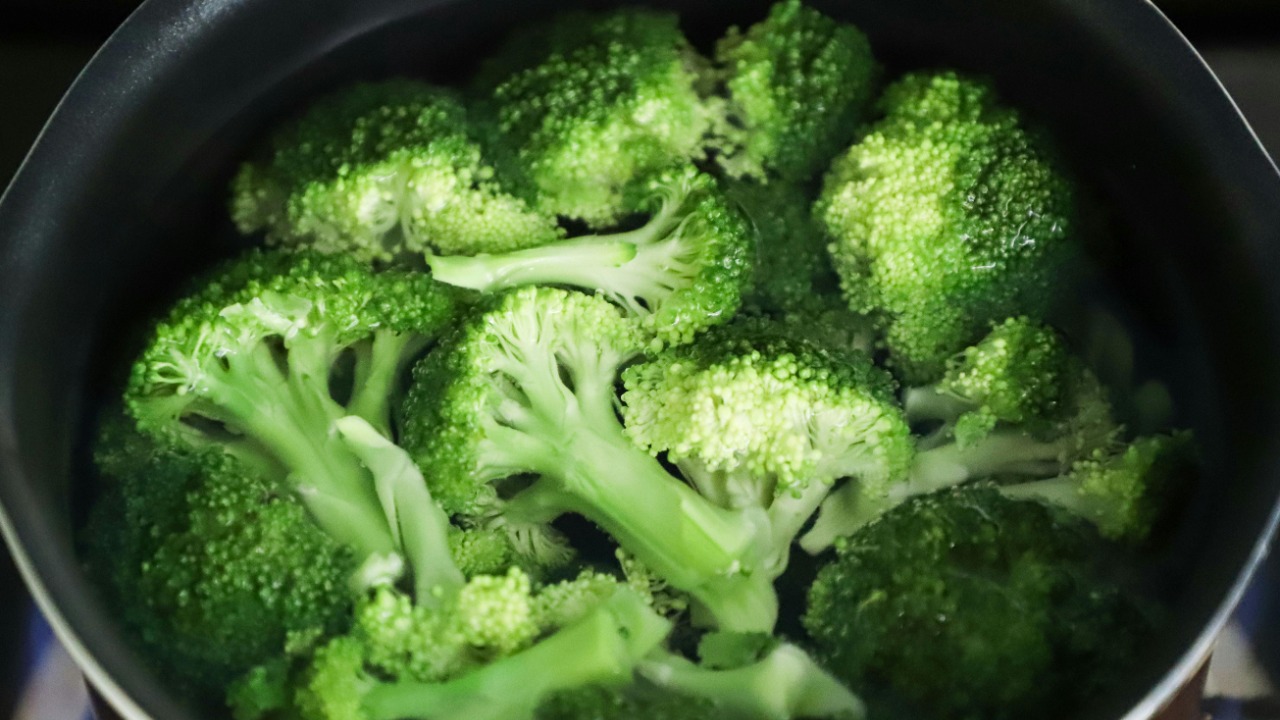
Broccoli is rich in vitamins and minerals, but many people make the mistake of boiling it until it’s mushy. This not only dulls the flavor but also strips away valuable nutrients.To keep broccoli tasting fresh and nutritious, steam or microwave it instead. Both methods preserve texture and nutritional content far better than boiling.
Spinach
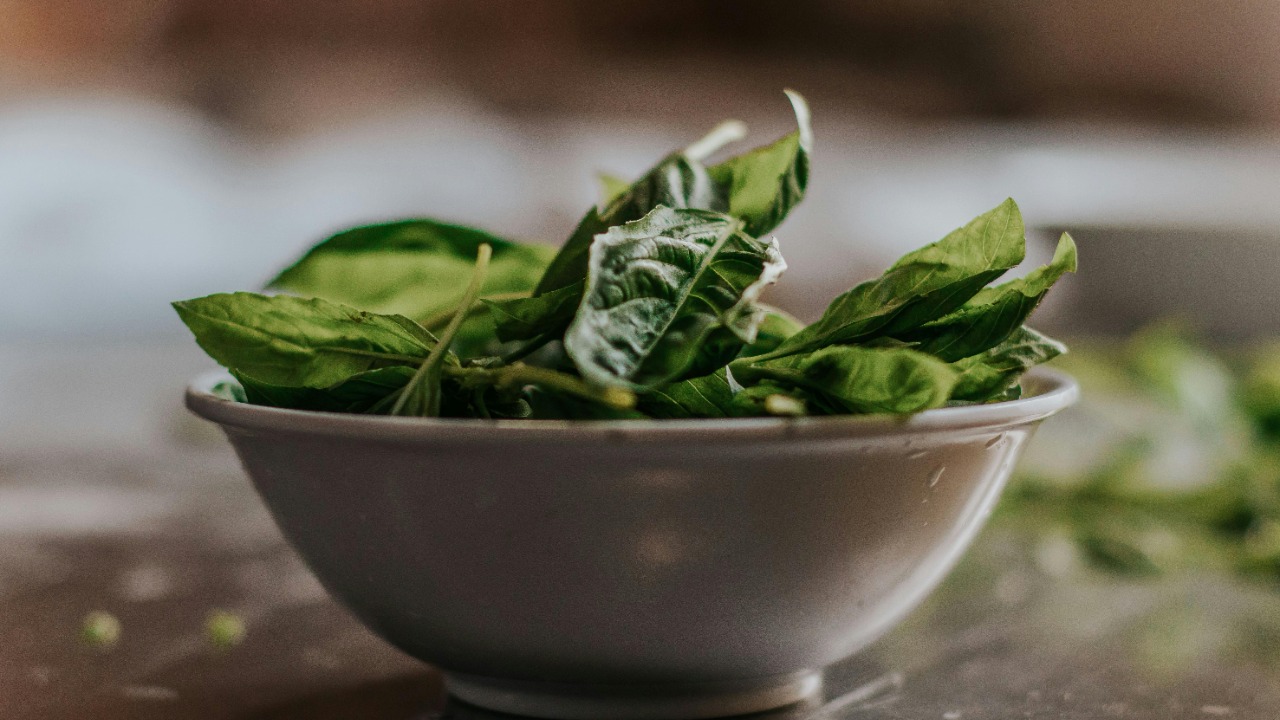
Spinach is packed with iron, calcium, and antioxidants, yet it’s often overcooked until limp and flavorless. High heat can quickly break down both nutrients and taste.For the best results, cook spinach lightly — a quick sauté is enough — or enjoy it raw in salads to capture its full nutritional value.
Carrots

Carrots are a household staple, but peeling them before cooking removes much of the nutrient-rich skin. This simple step can reduce their overall health benefits.Leave the skins on whenever possible, especially if the carrots are scrubbed clean. You’ll retain more fiber, vitamins, and flavor in the finished dish.
Asparagus
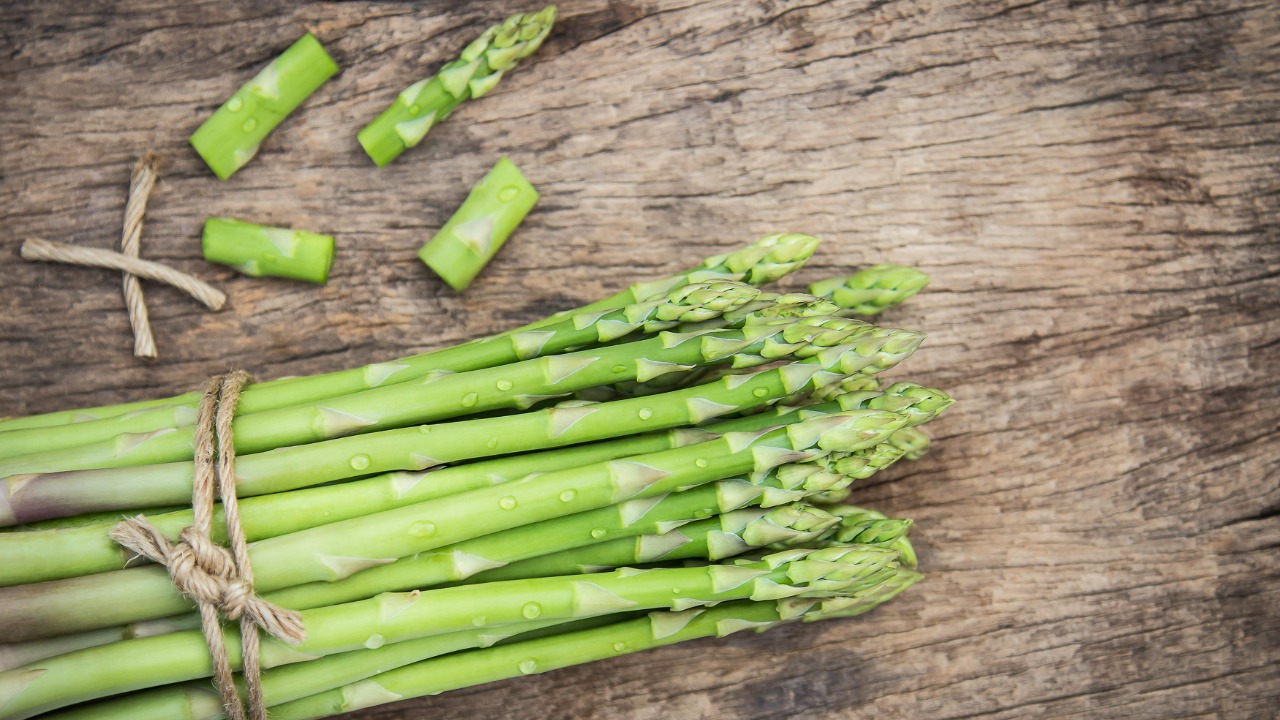
Asparagus can easily go from crisp and flavorful to limp and bland if it’s boiled too long. Overcooking robs it of both taste and nutrients.Try roasting or grilling instead. These methods bring out asparagus’s natural sweetness and give it a better texture.
Garlic

Garlic adds incredible depth to dishes, but it burns easily. Adding it too early in the pan often results in bitterness instead of flavor.For the best taste, cook garlic gently over low heat or add it later in the process so it stays fragrant without scorching.
Brussels Sprouts

Brussels sprouts have an undeserved reputation for being bitter. The truth is, that bitterness often comes from overcooking them.Roasting at high heat caramelizes their natural sugars and creates a nutty, sweet flavor that can win over even the harshest critics.
Beets
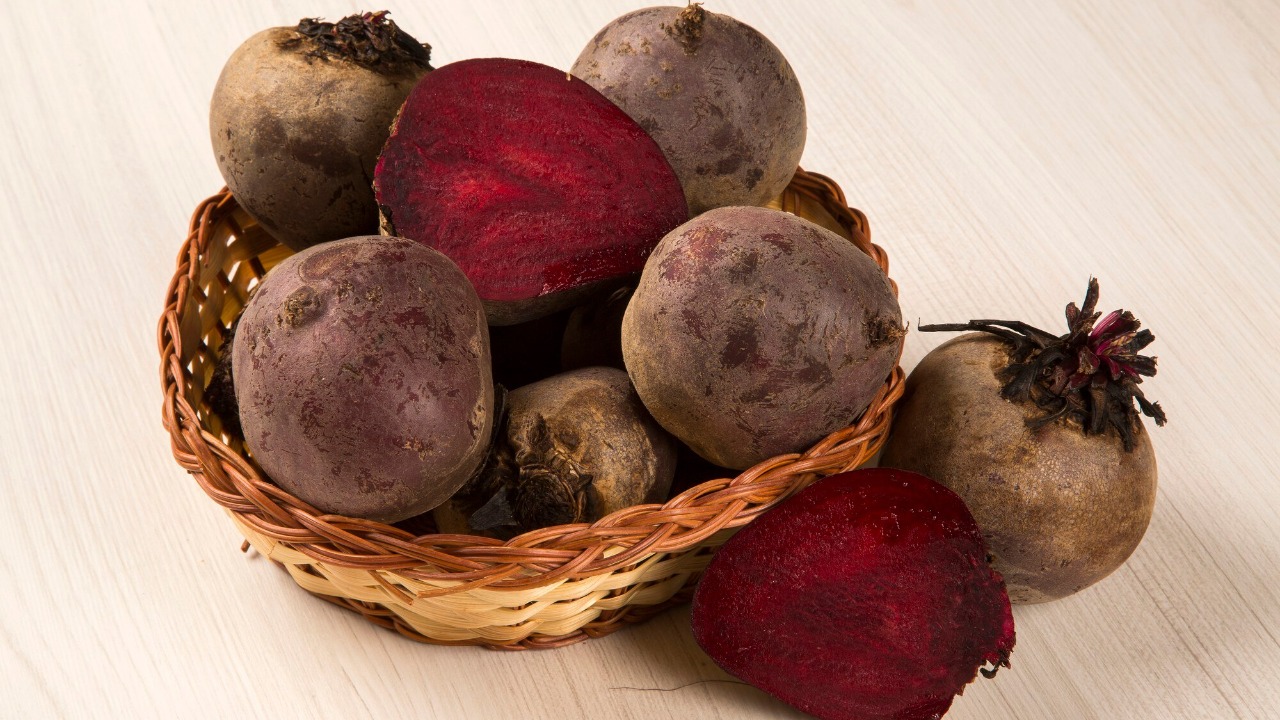
Beets are loaded with antioxidants and fiber, but boiling them for too long dulls both their flavor and their vibrant color.Roasting is the best way to preserve their sweetness and retain nutrients. It also enhances their natural earthy taste.
Peppers
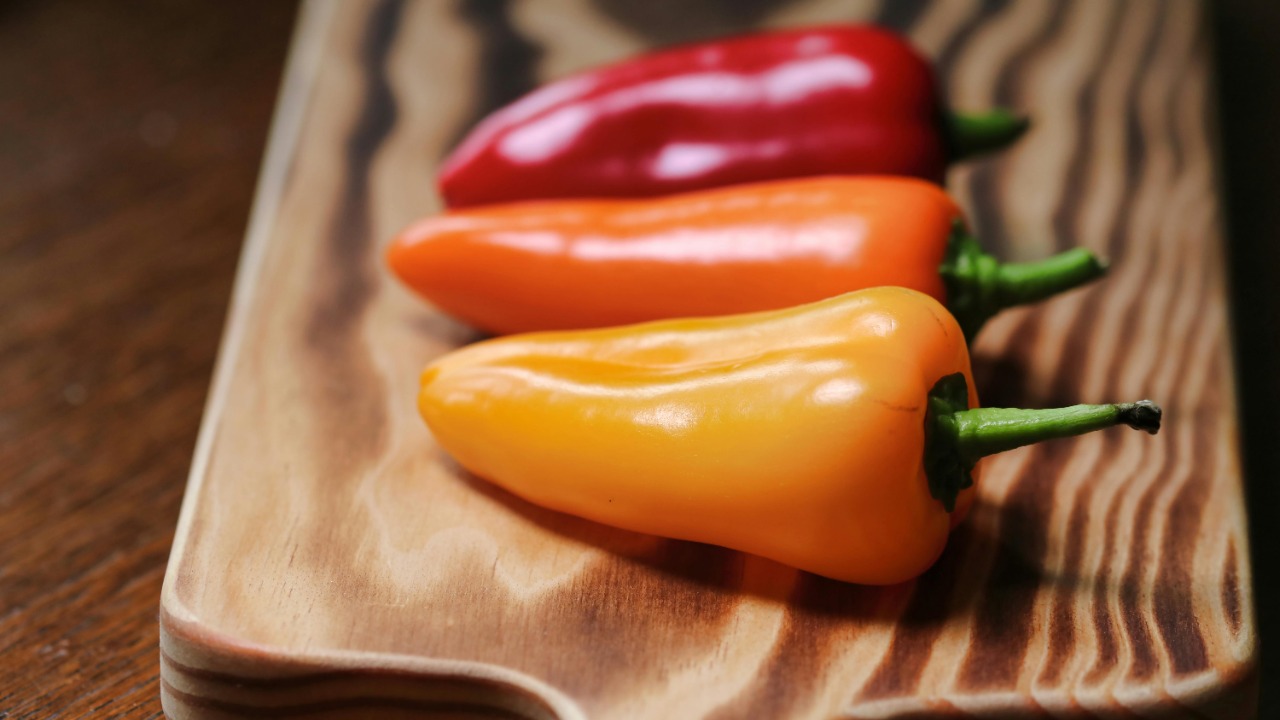
Peppers are naturally vibrant and crunchy, but overcooking can leave them limp and tasteless. This not only spoils their appeal but also reduces vitamin content.For maximum flavor, cook them quickly in a hot pan, roast them to bring out sweetness, or enjoy them raw in salads.
Green Beans
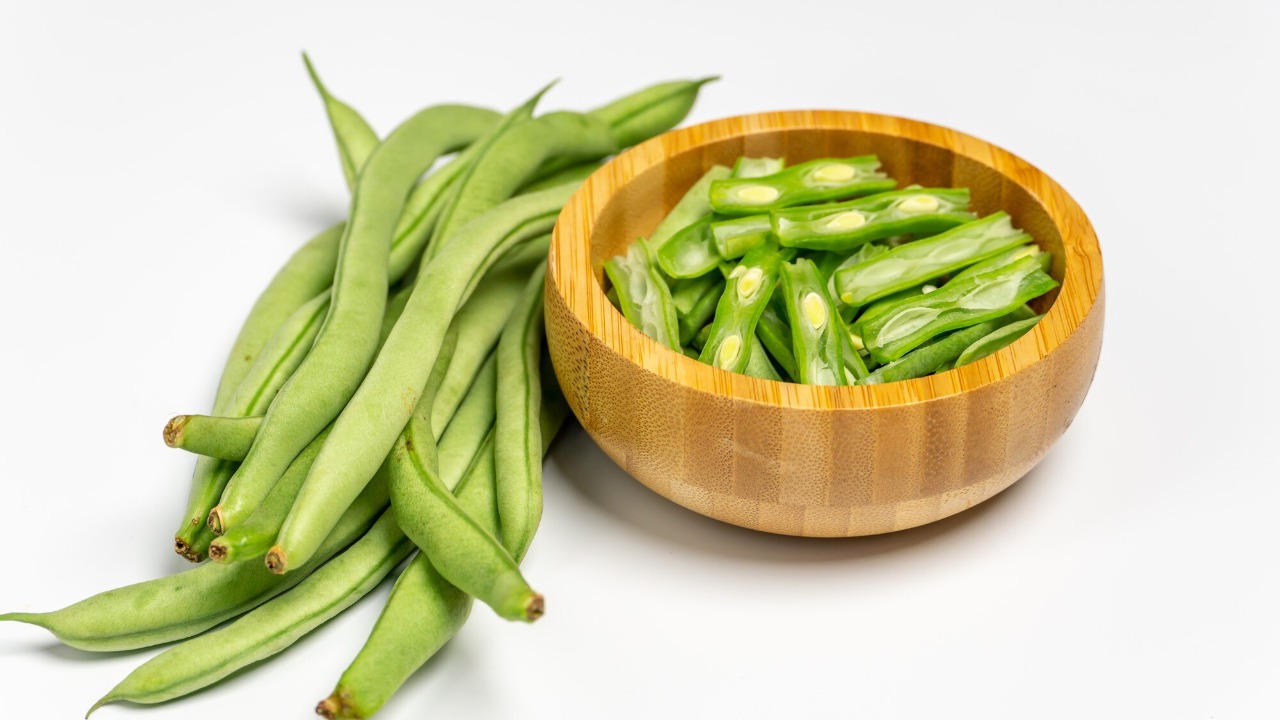
Green beans lose their bright color and crisp bite when cooked too long. This is one of the most common vegetable mistakes home cooks make.To get them right, blanch briefly or steam just until tender-crisp. They’ll keep both their nutrients and their appealing crunch.
Onions
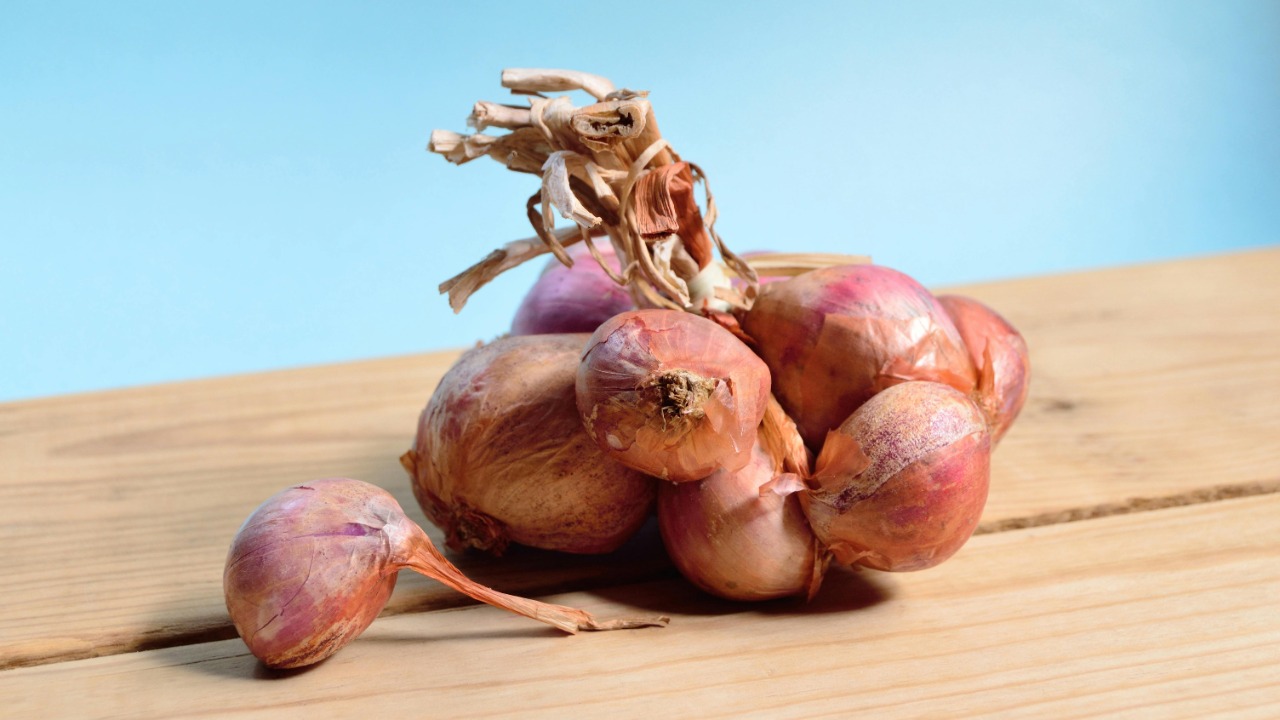
Onions build the flavor base for countless dishes, but rushing them often leads to raw sharpness or burnt bitterness.Take your time to caramelize them slowly over low heat. This unlocks a deep, sweet flavor that elevates everything from soups to sauces.
Mushrooms
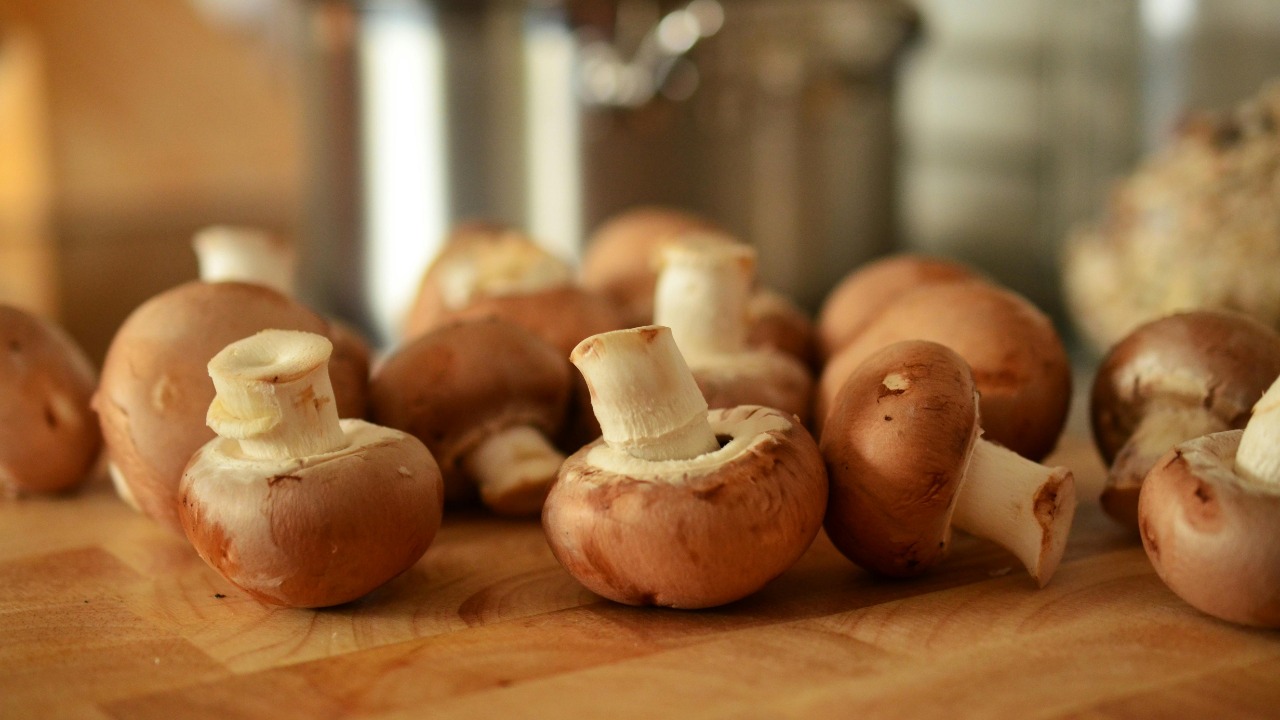
Mushrooms release a lot of water when cooked, and overcrowding the pan can leave them soggy instead of savory.Cook mushrooms in a hot pan with space to breathe. This lets them brown properly, intensifying their rich, umami flavor.
Zucchini

Zucchini is versatile and healthy, but it often ends up watery and mushy when cooked. Its delicate structure requires a lighter touch.Quick sautéing, grilling, or spiralizing into “zoodles” keeps zucchini flavorful and firm, making it a great addition to many dishes.