12 Lesser-known French regional ingredients
As an Amazon affiliate, I earn from qualifying purchases.
When we think of French cuisine, certain staples instantly come to mind: baguettes, wine, cheese, croissants, and more. Yet, the food culture of France extends far beyond these familiar favorites, diving deep into a rich tapestry of regional specialties and ingredients.
This culinary adventure is full of surprises, with each region offering unique and lesser-known ingredients that are key to their traditional dishes. Here, we'll explore 12 of these ingredients, shedding light on their origins, uses, and the incredible flavors they bring to the French culinary scene.
1. Fleur de Sel from Brittany

Fleur de Sel is a unique sea salt that hails from the salt pans of Brittany. Its name translates to "flower of salt," a testament to the beautiful, flower-like crystals that form on the surface of the salt pans.
Harvested by hand, Fleur de Sel is much more than just a seasoning. It is often referred to as the caviar of salts, owing to its exquisite flavor and the delicate crunch it adds to dishes. This salt is sprinkled on foods just before serving to enhance their flavor. Roasted meats, grilled fish, and even some desserts like chocolate and caramel are elevated with a dash of Fleur de Sel.
2. Piment d'Espelette from Basque Country
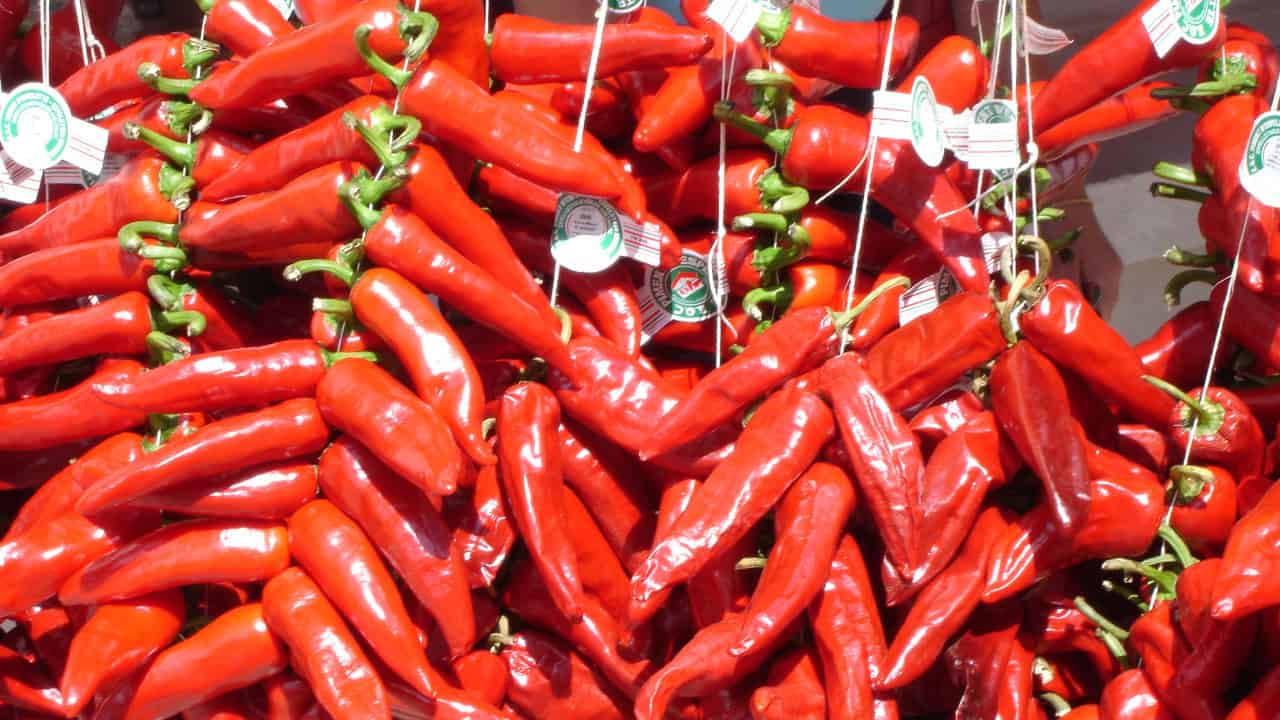
Piment d'Espelette is a type of chili pepper cultivated in the French Basque Country. With a flavor profile that's more sweet than spicy, it's a key ingredient in Basque cuisine.
This pepper is traditionally used to season dishes like piperade (a Basque dish made with tomatoes, onions, green peppers, and eggs) and Bayonne ham. It's also often used as a substitute for black pepper in recipes. Its unique flavor and AOC (Appellation d'Origine Contrôlée) status have earned it a special place in French cuisine.
3. Mirabelle Plums from Lorraine
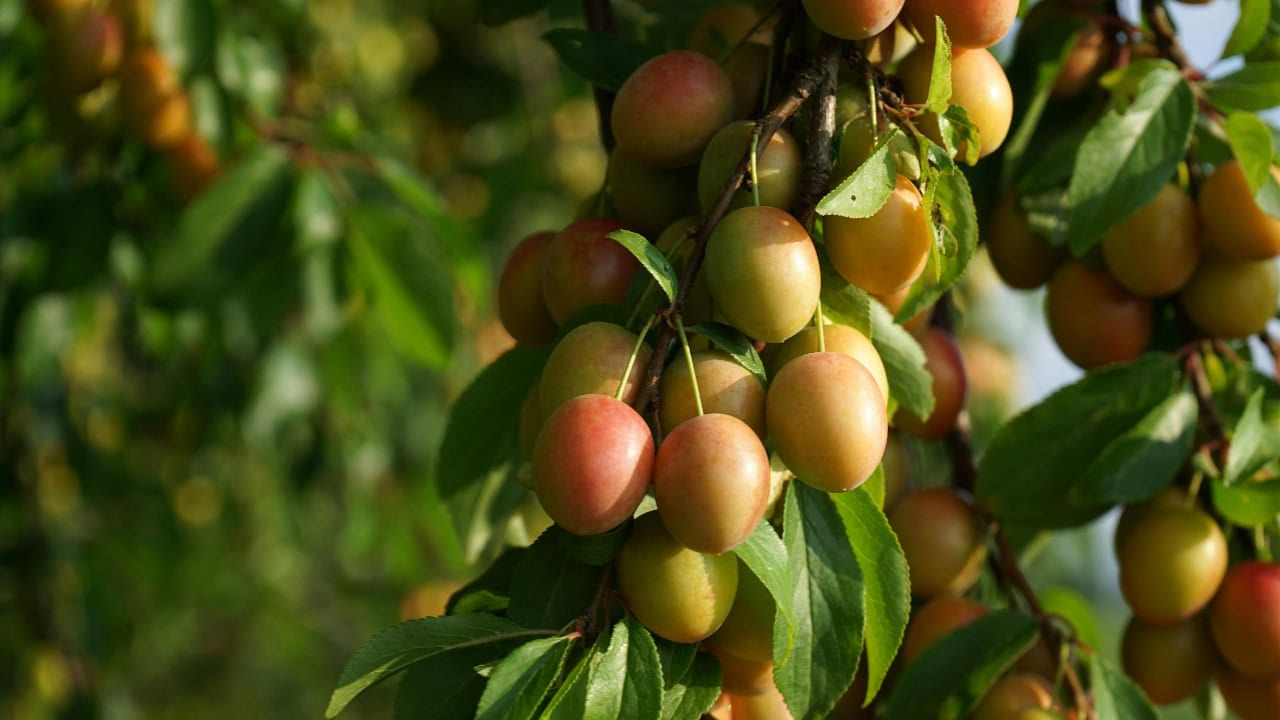
Mirabelle plums are small, sweet, and flavorful fruit native to the Lorraine region of France. Known for their yellow color and sweet taste, these plums are a beloved summer treat.
Mirabelle plums are exceptionally versatile. They can be eaten fresh, used in baking, or made into jams and jellies. They also shine in brandies and liqueurs. The Lorraine region even hosts a two-week festival every August celebrating this delightful fruit.
4. Bresse Chicken from Bourg-en-Bresse
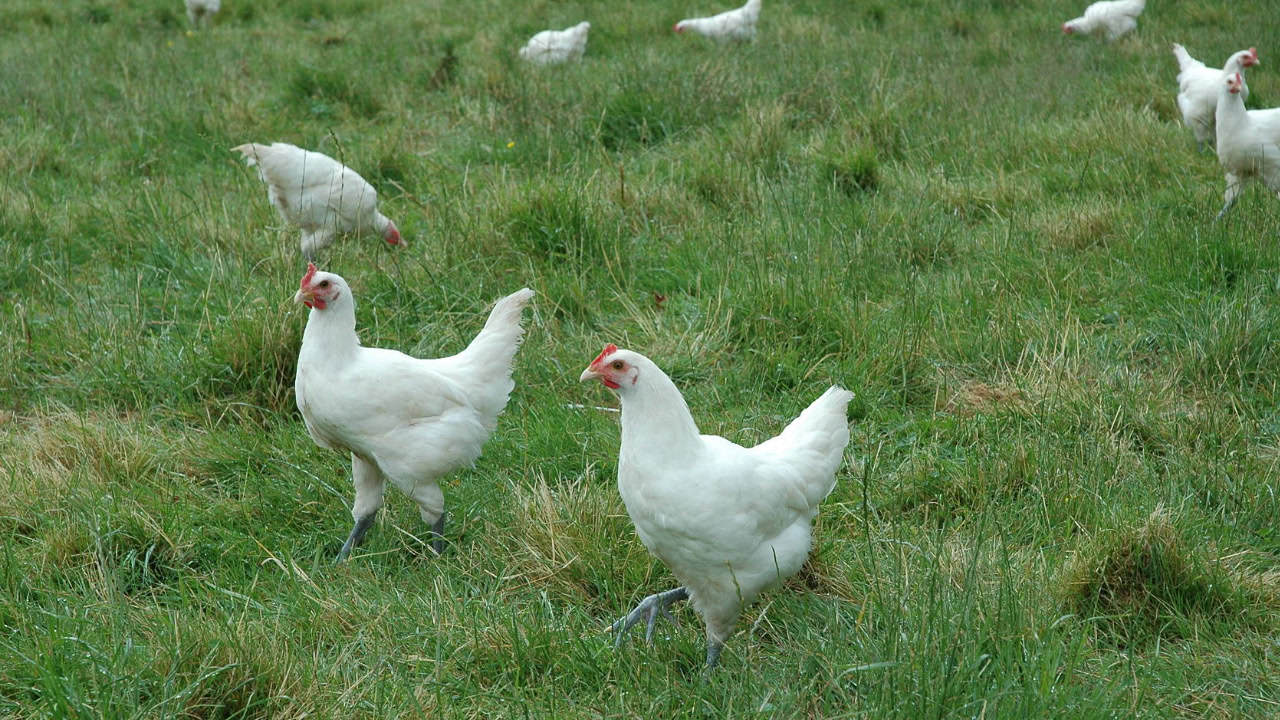
Bresse Chicken is a special breed of chicken from the Bresse region of France. Known for their distinctive blue feet and white feathers, these chickens are renowned for their flavorful meat.
Bresse chickens are raised under strict regulations that ensure their quality. Their rich, almost gamey flavor is a result of a diet consisting of grains and dairy products. A Bresse chicken roast is a delicacy in France, often reserved for special occasions.
5. Périgord Truffles from Dordogne
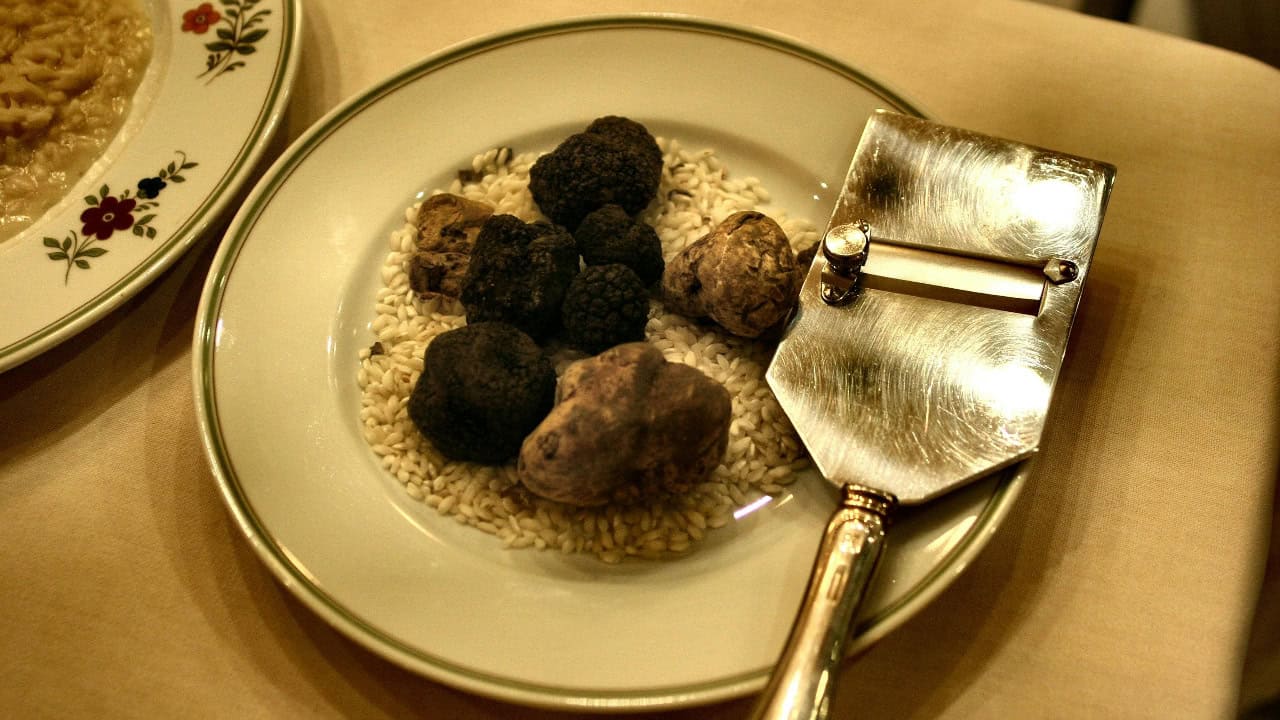
Périgord truffles, also known as black truffles, are one of the most expensive and sought-after ingredients in the world. They are primarily found in the Périgord region of Dordogne.
These truffles have a strong, earthy aroma and a complex flavor that's difficult to describe. They are often shaved over dishes like pasta, risotto, and eggs to add depth and richness. Although fresh truffles are seasonal, truffle oil and truffle salt can deliver a similar flavor profile year-round.
6. Crème Fraîche from Normandy
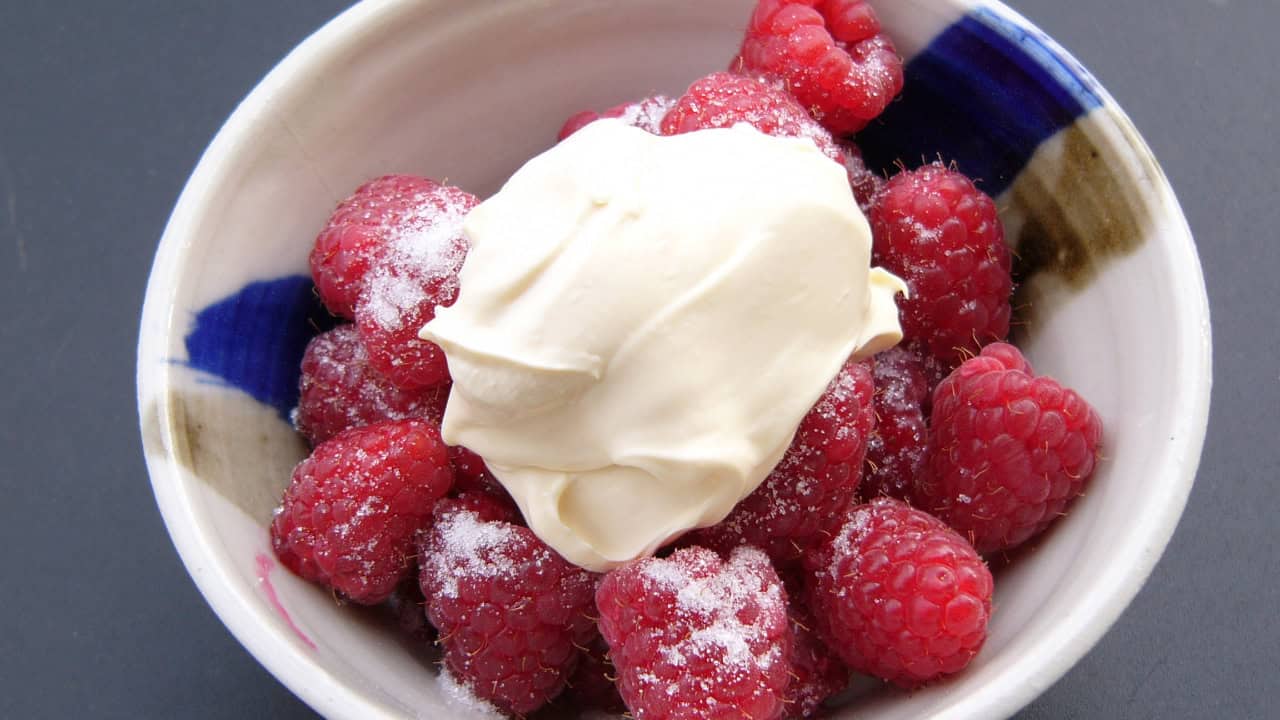
Crème Fraîche is a thick, tangy cream that's a staple in French cooking. It’s produced in various regions of France, but the most famous is from Normandy.
Crème Fraîche is used in both savory and sweet dishes. It's often added to soups and sauces, as it doesn’t curdle when heated. It can also be whipped and used as a topping for desserts. Its tangy flavor and creamy texture make it a versatile addition to any recipe.
7. Cider from Brittany and Normandy
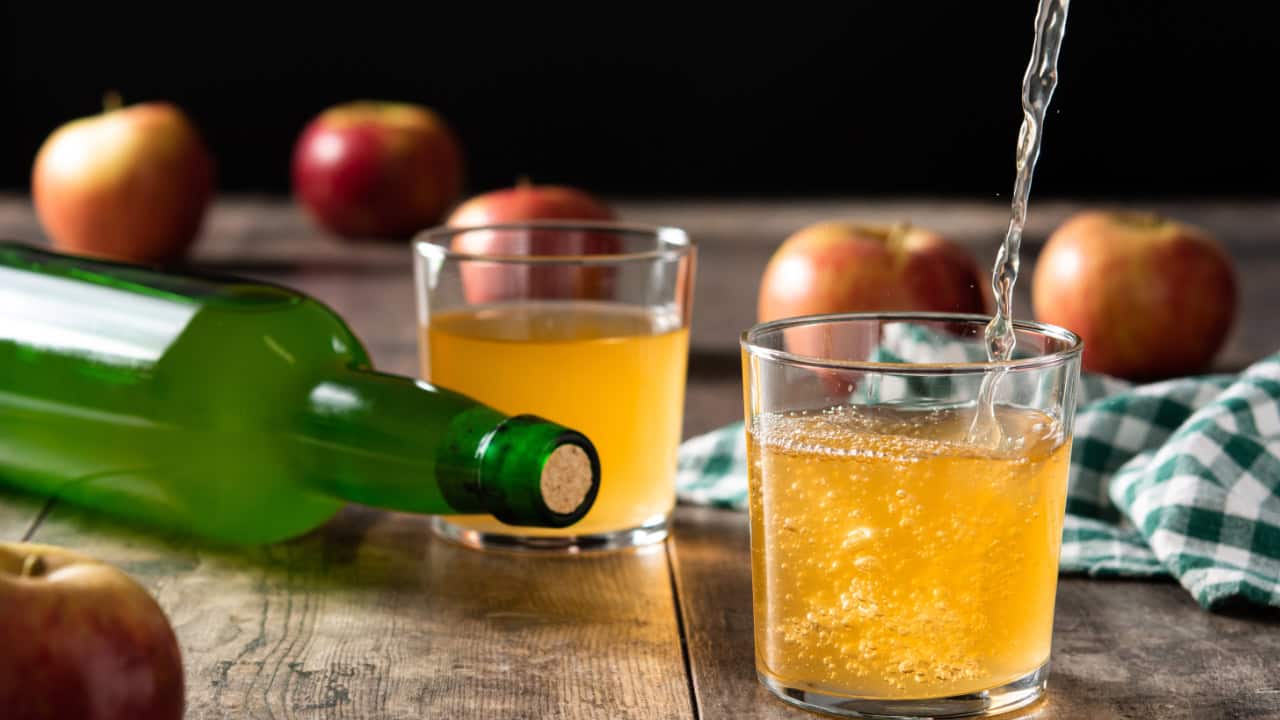
Cider is an alcoholic beverage made from fermented apple juice, and it’s a popular drink in both Brittany and Normandy.
French cider is usually sparkling and ranges from sweet to dry. It's often served with crepes or galettes, traditional dishes from these regions. Cider from Brittany and Normandy has a unique flavor profile due to the specific apple varieties grown in these regions.
8. Calvados from Normandy
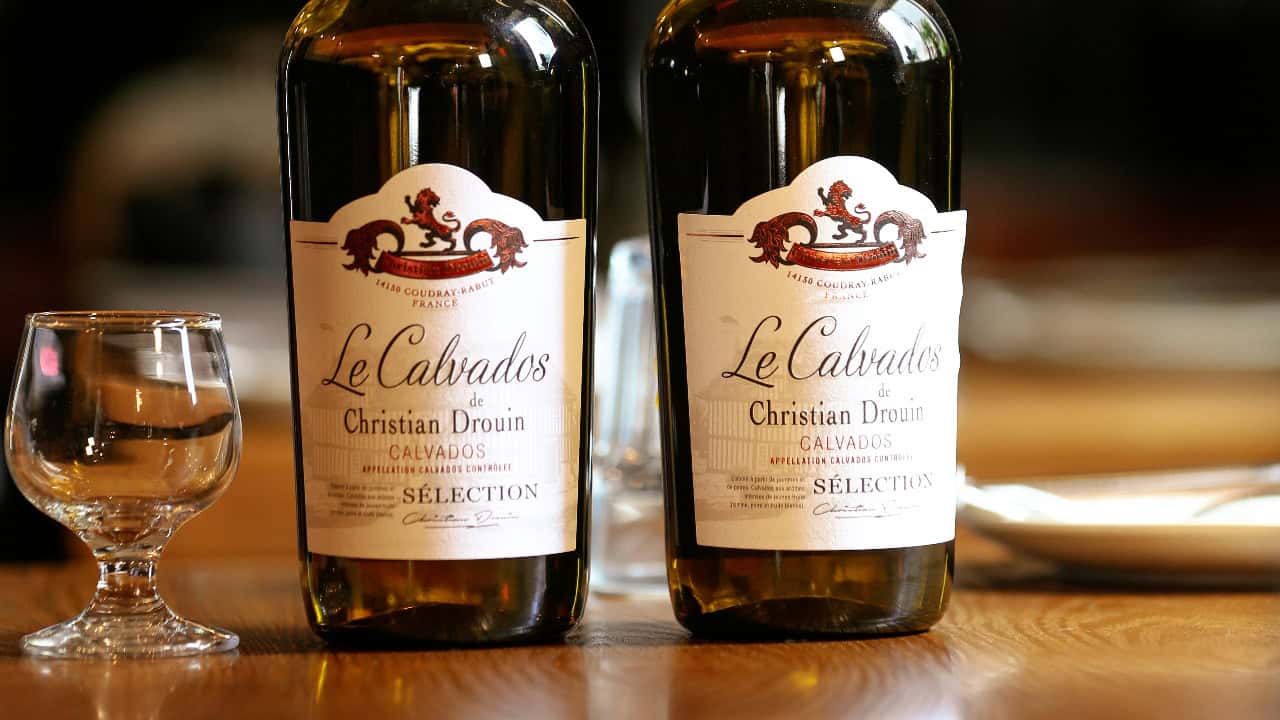
Calvados is an apple brandy from the Normandy region. It's made by distilling cider and aging it in oak barrels.
Calvados is often sipped as a digestif after meals, but it's also used in cooking. It can be used to deglaze pans, create flavorful sauces, or add depth to desserts. Calvados is a versatile ingredient that showcases the flavors of Normandy's apples.
9. Beaufort Cheese from Savoie
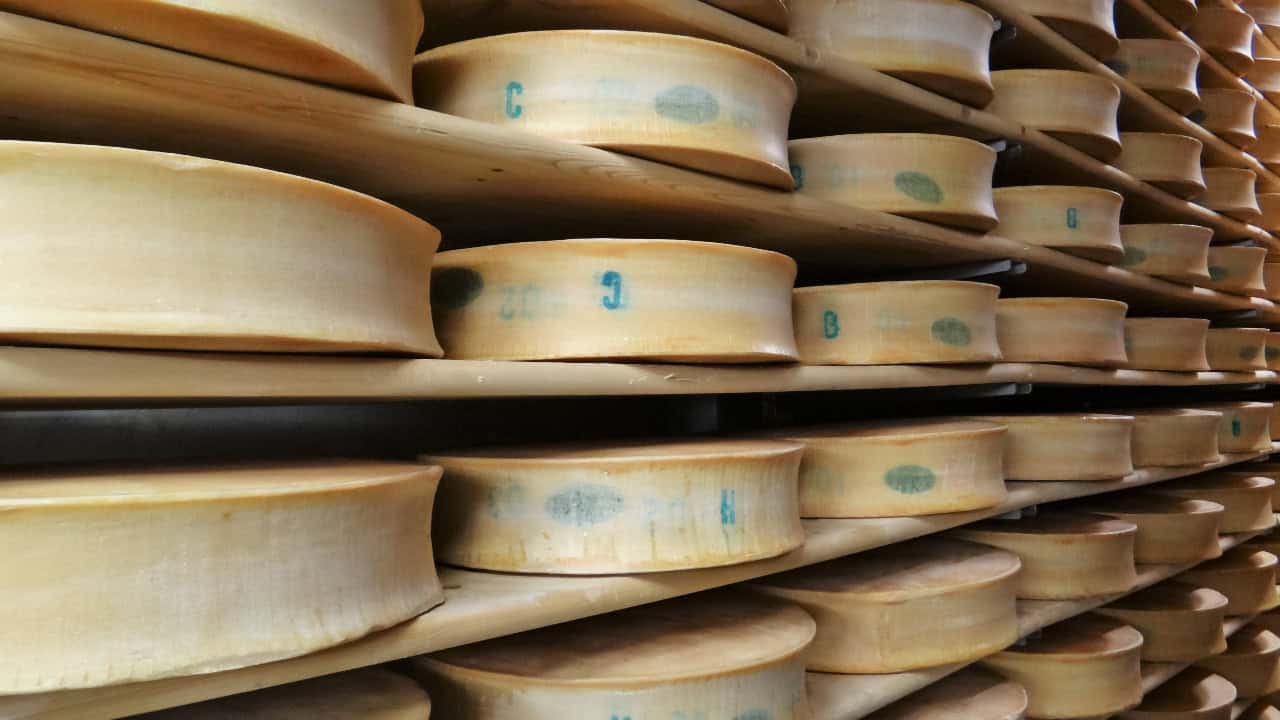
Beaufort is a hard, raw cow's milk cheese from the Savoie region in the French Alps. It's often compared to Gruyère but has a creamier texture and a complex flavor.
Beaufort is a versatile cheese that can be used in a variety of dishes. It melts beautifully, making it perfect for fondue, gratins, and sandwiches. You can also enjoy it sliced on a cheese platter with some fruits and nuts.
10. Chestnuts from Ardeche
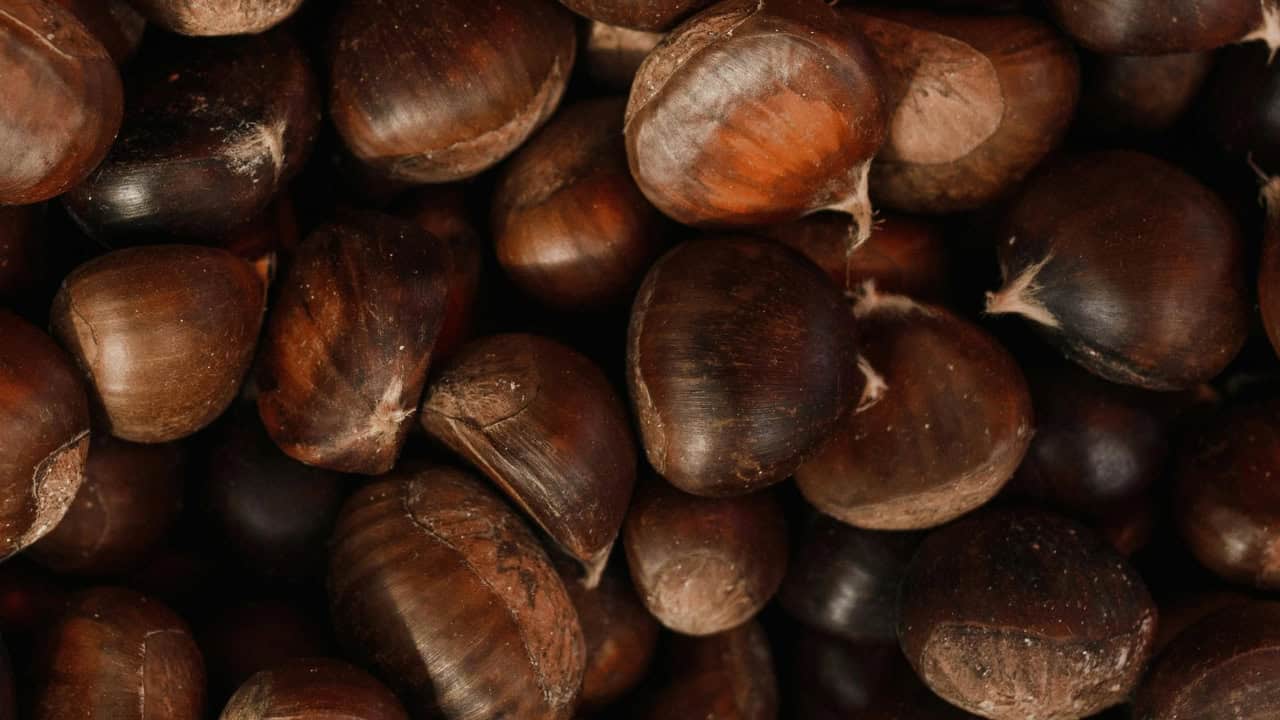
Ardeche is the largest producer of chestnuts in France. These nuts are used in a variety of dishes, from savory to sweet.
Chestnuts can be roasted, boiled, or candied. They are used in stuffings, soups, and desserts. Chestnut cream, a sweet spread made from pureed chestnuts and sugar, is a popular product from this region.
11. Munster Cheese from Alsace
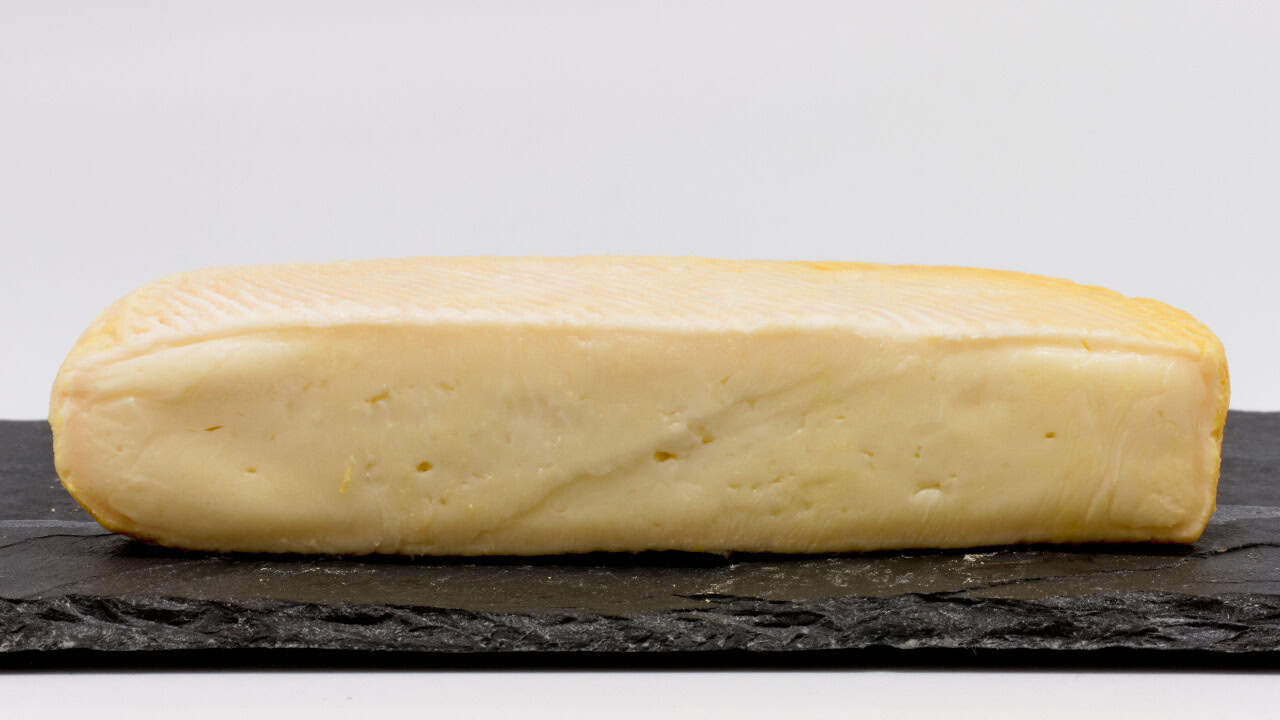
Munster is a soft, washed-rind cheese from the Alsace region. Despite its strong aroma, it has a mild flavor with a slight tang.
Munster cheese is often served with boiled potatoes and a glass of Alsace wine. It's also used in various dishes, including quiches and tarts. The cheese's creamy texture and unique flavor make it a standout in Alsatian cuisine.
12. Cèpes from Aquitaine
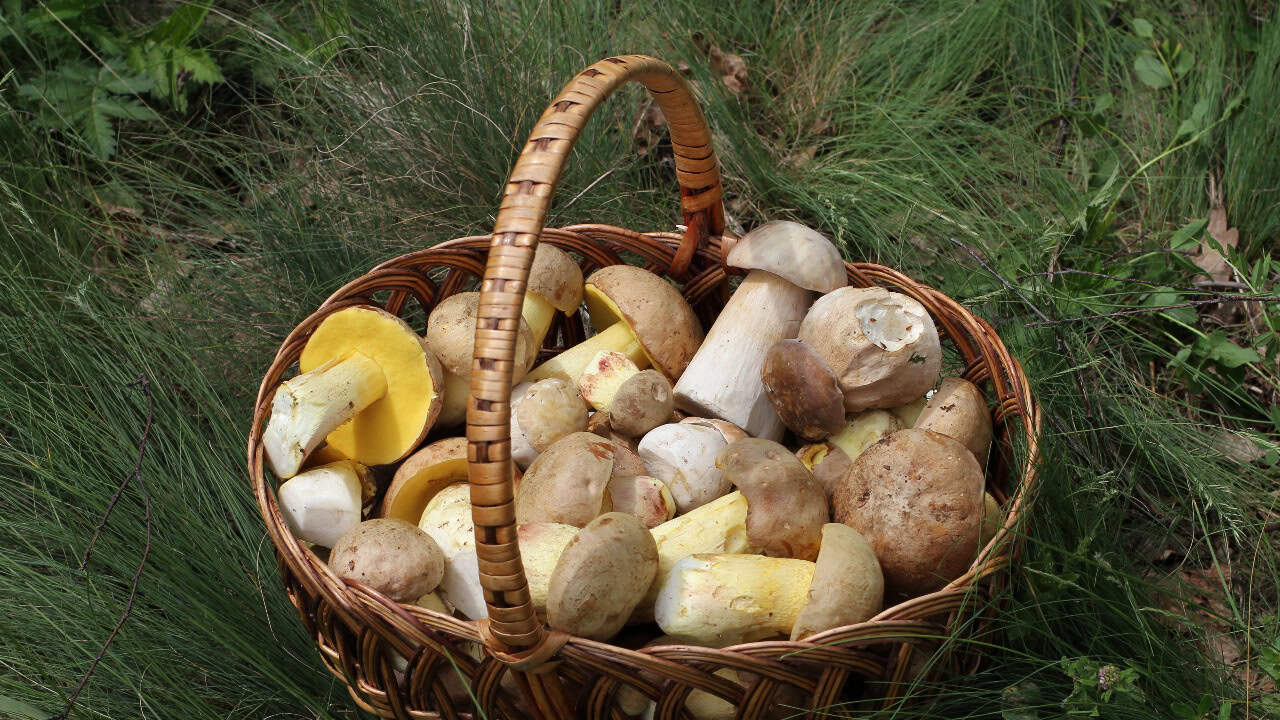
Cèpes, also known as porcini mushrooms, are a prized ingredient in the Aquitaine region. They have a rich, nutty flavor that enhances a variety of dishes.
Cèpes can be sautéed, roasted, or used to make delicious sauces. They are also excellent when dried, as the drying process concentrates their flavor. Whether fresh or dried, cèpes bring a touch of French elegance to any dish.