
9 kitchen staples you should stop refrigerating
As an Amazon affiliate, I earn from qualifying purchases.
With an increasing focus on healthier, fresher eating habits, it's important to understand how best to store your kitchen staples. Incorrect storage not only affects the taste and texture of your food but can also impact its nutritional value. To help you optimize your storage techniques, we've compiled a list based on the latest food trends, expert advice, and scientific data.In this article, we will provide you with a list of 9 kitchen staples that you can stop refrigerating right now. We'll explain why these items don't need to be chilled and how storing them at room temperature can actually enhance their quality and flavor. So, let's dive in and learn how to make the most of your pantry space while doing your food justice.
Potatoes
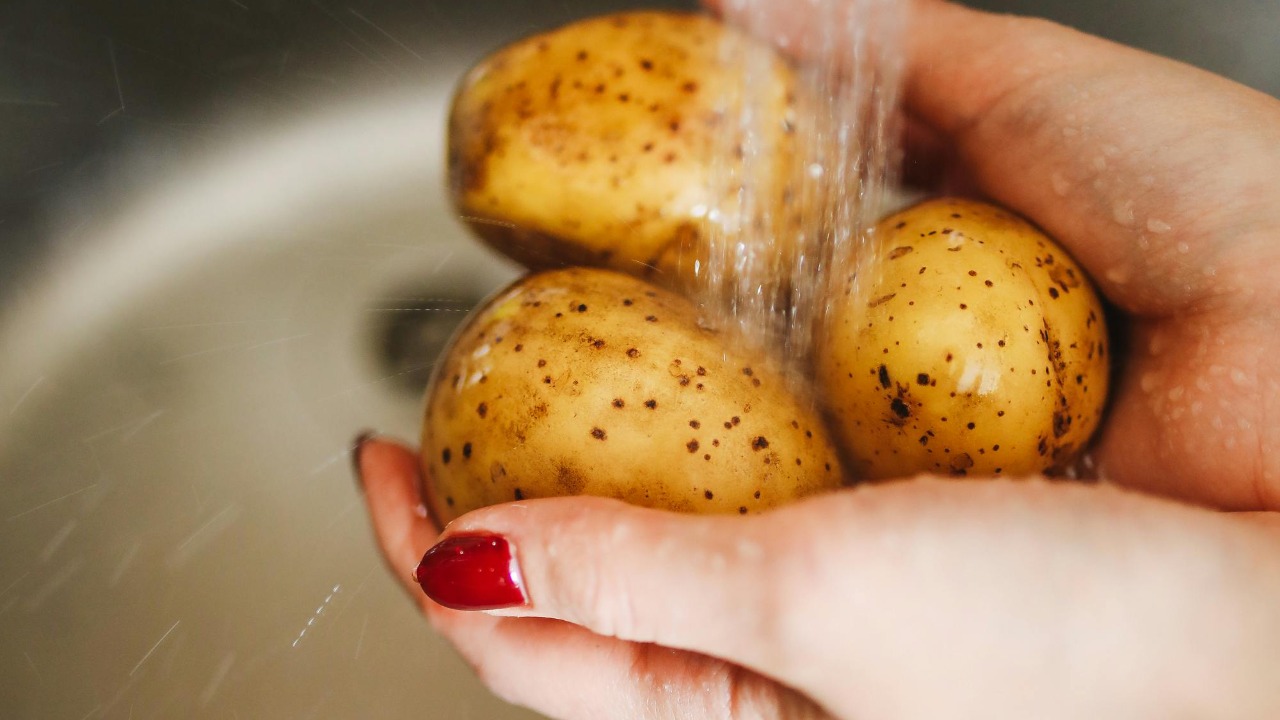
Potatoes are a versatile staple in many households. They're often purchased in bulk and stored in the refrigerator to extend their shelf life. However, the cold temperature in the fridge can cause the starch in potatoes to convert into sugar, altering their taste and texture.
It’s best to store potatoes in a cool, dark, well-ventilated place. Doing so not only preserves their flavor and texture but also helps prevent sprouting.
Bread

Bread is a daily staple for many, and it's often stored in the fridge to prevent mold and extend its shelf life. However, refrigeration can cause bread to dry out and become stale quicker due to the process of retrogradation.
Bread should be stored at room temperature or frozen for longer-term storage. This preserves the taste and texture, ensuring you can enjoy it at its best.
Tomatoes
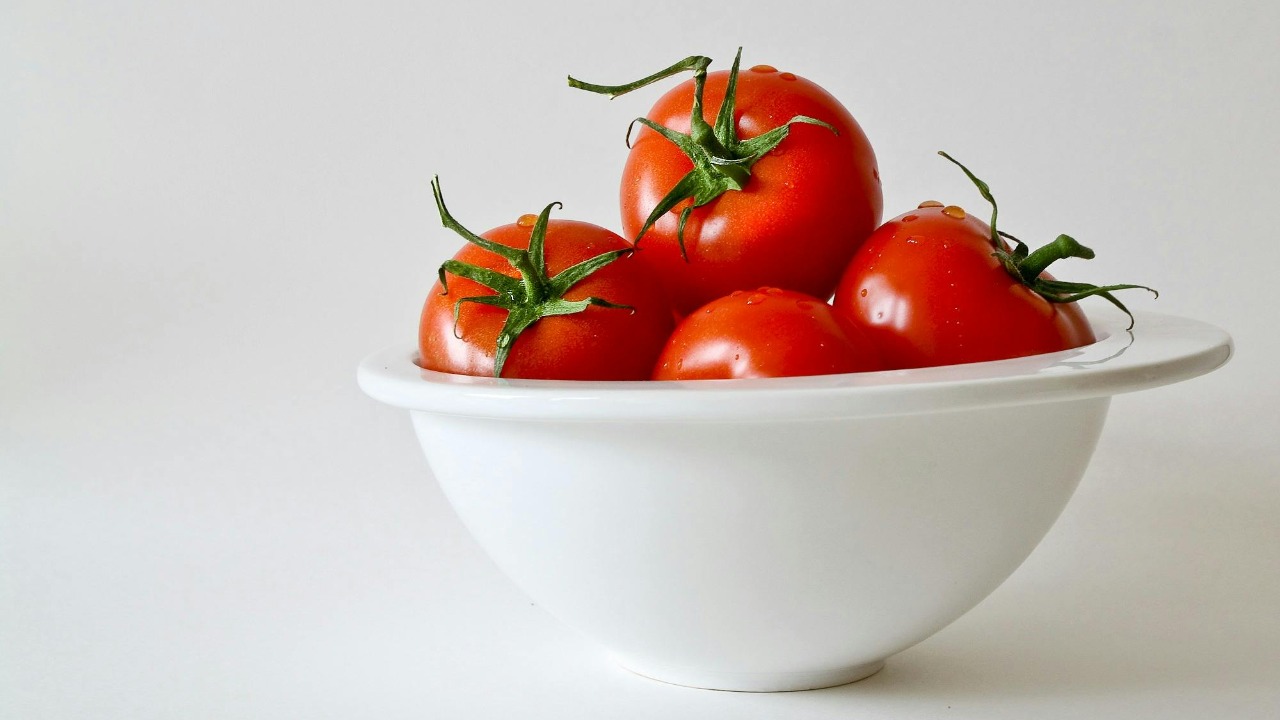
Tomatoes are commonly refrigerated to extend their shelf life. However, this practice can lead to a loss in flavor and an undesirable mealy texture as the cold temperature halts the ripening process.
They should be stored at room temperature, ideally in a single layer with the stem side up. This allows them to continue ripening naturally, resulting in fuller, richer flavors.
Honey
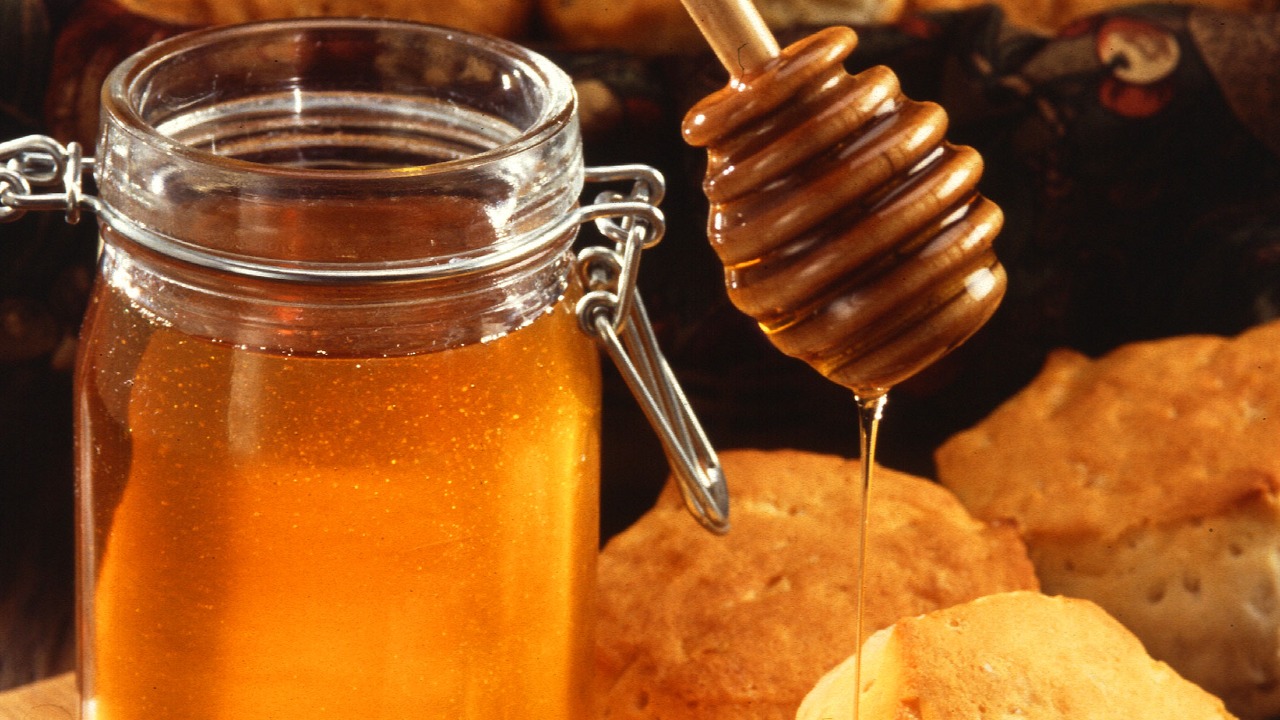
As a natural preservative, honey is often stored in the fridge to prevent it from spoiling. However, the cold temperature causes honey to crystallize, making it harder to use.
Honey should be stored in a tightly sealed container at room temperature. This keeps it in its liquid state, making it easier to use and preserving its natural sweetness.
Coffee
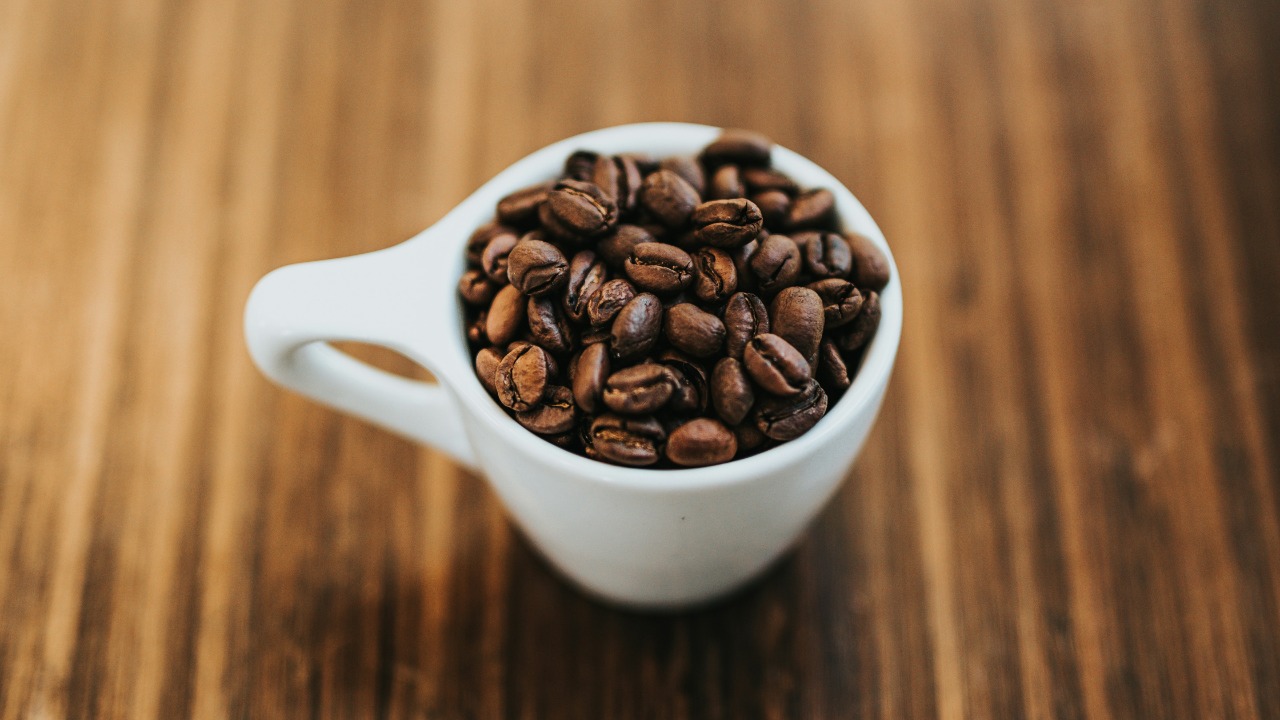
Coffee is a beloved morning staple that's often kept in the fridge or freezer to maintain its freshness. However, the moisture in the fridge can actually cause coffee to lose its flavor and absorb unwanted odors from other foods.
Coffee is best stored in an airtight container at room temperature to preserve its flavor and aroma. This ensures every cup tastes as good as it should.
Onions
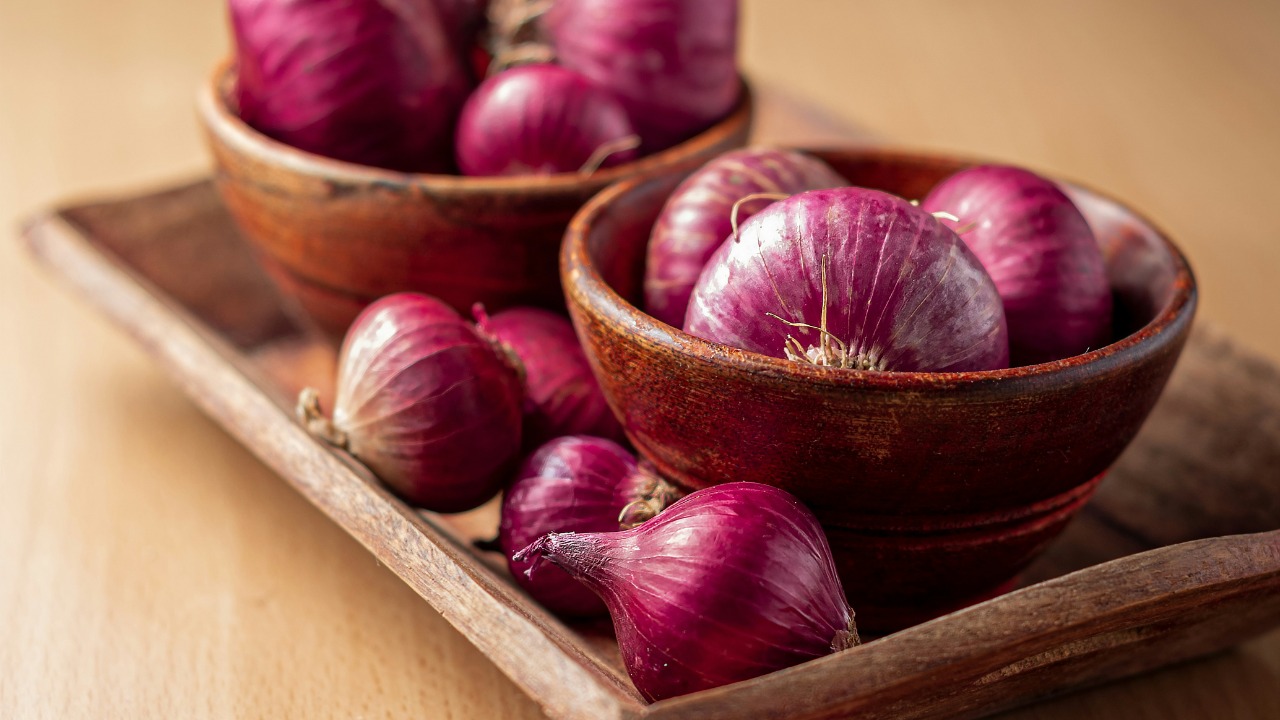
Onions are a foundational ingredient in many recipes and are often stored in the fridge to prolong their shelf life. However, the moisture in the fridge can cause onions to become moldy and mushy.
They should be stored in a cool, dry, well-ventilated place. This helps maintain their crispness and prolong their shelf life.
Garlic
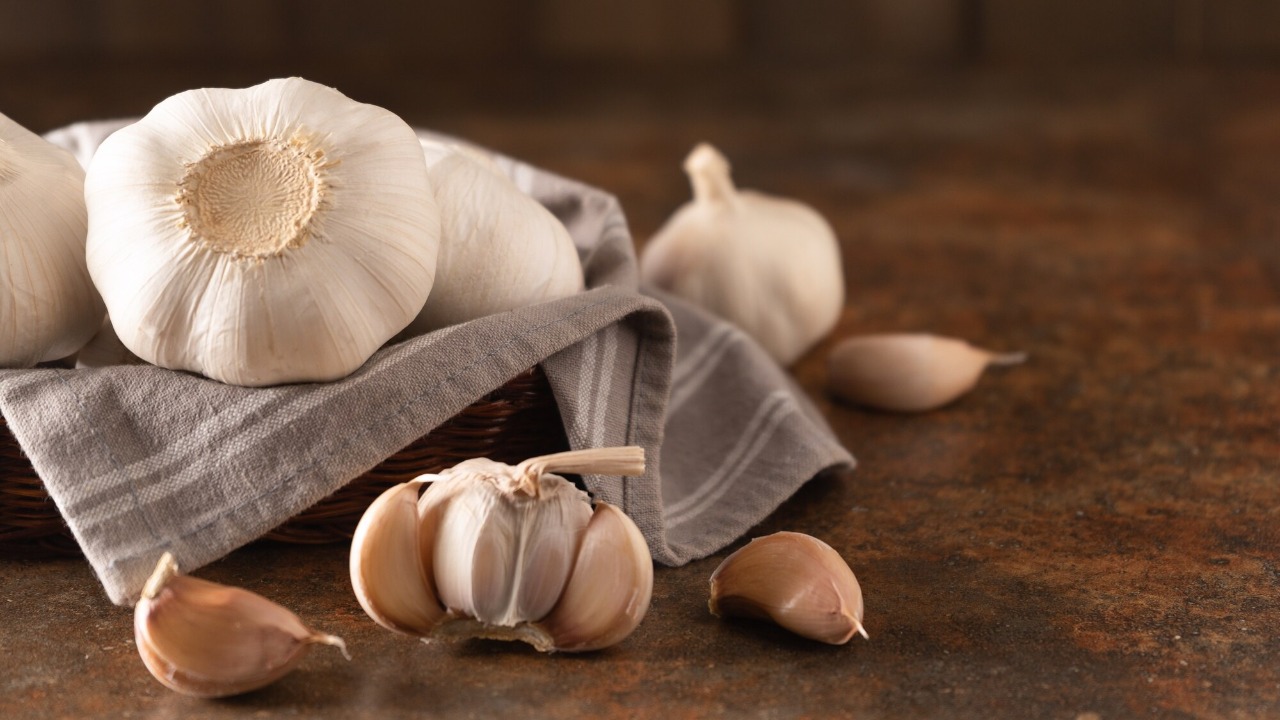
Garlic is a key flavoring agent in many cuisines and is often stored in the fridge to prevent it from sprouting. However, the cold temperature can actually stimulate sprouting and lead to a loss of flavor.
Garlic keeps best at room temperature in a dry, well-ventilated place. This preserves its robust flavor and prevents sprouting.
Avocados

Avocados are a popular superfood that's often refrigerated to slow down the ripening process. However, if avocados are placed in the fridge before they're ripe, they may never reach their full flavor potential.
They should be stored at room temperature until ripe, and only then refrigerated if needed. This ensures they ripen properly and develop their creamy, buttery flavor.
Hot Sauce

Hot sauce is a condiment that's often kept in the fridge to maintain its quality. However, most hot sauces are high in vinegar, a natural preservative that keeps them from spoiling at room temperature.
Keeping hot sauce at room temperature preserves its flavor and makes it easy to grab whenever you want to add a little extra heat to your meal.