Burgundy for beginners: wine, food, culture
As an Amazon affiliate, I earn from qualifying purchases.
Burgundy, a region in eastern France, is renowned for its exceptional wines, rich culinary traditions, and vibrant culture. For beginners, unraveling the intricacies of Burgundy can be both an exciting and overwhelming experience. This guide will provide a comprehensive introduction to the wines, foods, and cultural heritage of Burgundy, offering a path to explore its unique offerings.
The Essence of Burgundy Wines
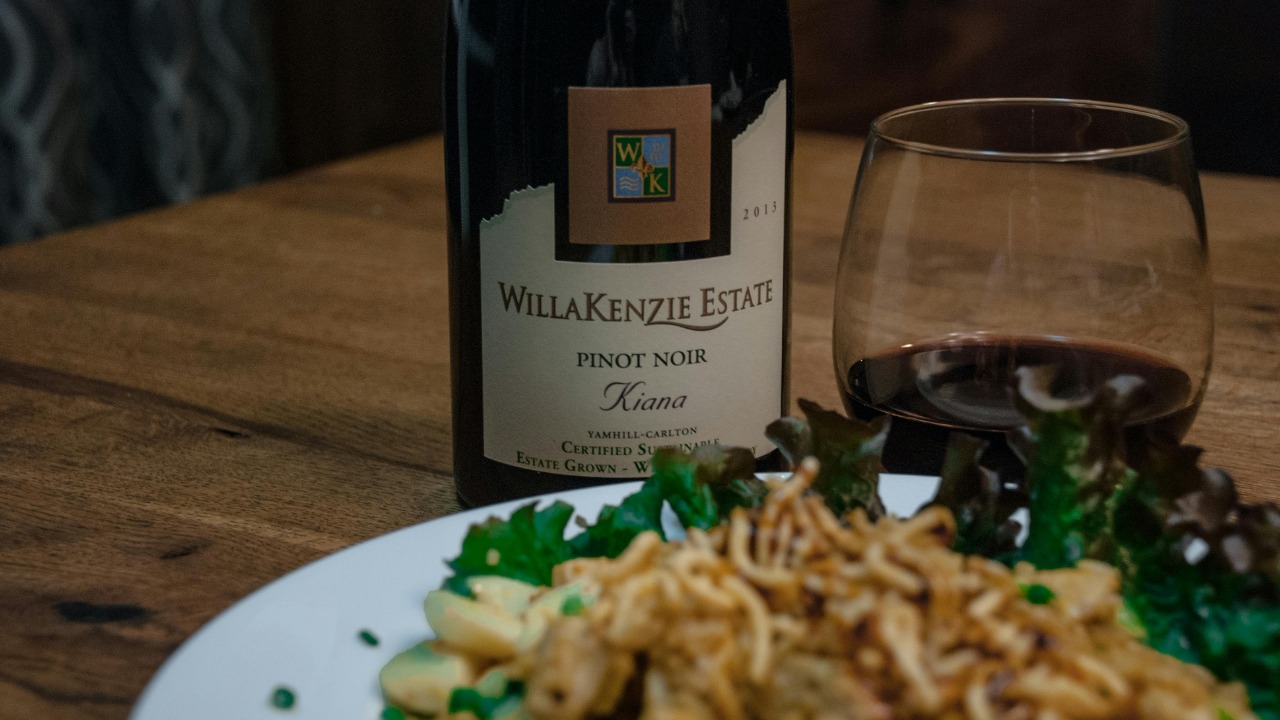
Burgundy is synonymous with two grape varieties: Pinot Noir and Chardonnay. These grapes are the cornerstone of the region’s winemaking, thriving in Burgundy's unique climate and soil composition. Pinot Noir is known for its light body, high acidity, and complex flavors that include notes of red berries, earthy undertones, and a hint of spice. Chardonnay, on the other hand, is celebrated for its versatility, producing wines ranging from crisp and mineral-driven to rich and buttery, often with notes of green apple, citrus, and vanilla.
The concept of terroir is fundamental in understanding Burgundy wines. Terroir refers to the unique combination of soil, climate, and human influence that gives wine its distinctive character. Burgundy's diverse appellations are a testament to this, each offering a different expression of these two grape varieties. From the mineral-laden Chablis to the rich and opulent wines of the Côte de Beaune, exploring these appellations is key to appreciating the complexity and quality of Burgundy wines.
For those new to wine tasting, diving into Burgundy wines can be an enlightening experience. Start by observing the wine’s appearance, noting its color and clarity. Swirl the glass to release its aromas, then take a moment to identify the scents. When tasting, focus on the wine's balance of flavors, acidity, and tannins, which will vary depending on the style and age of the wine. With practice, you’ll begin to discern the nuanced characteristics that make Burgundy wines so revered.
Culinary Delights of Burgundy
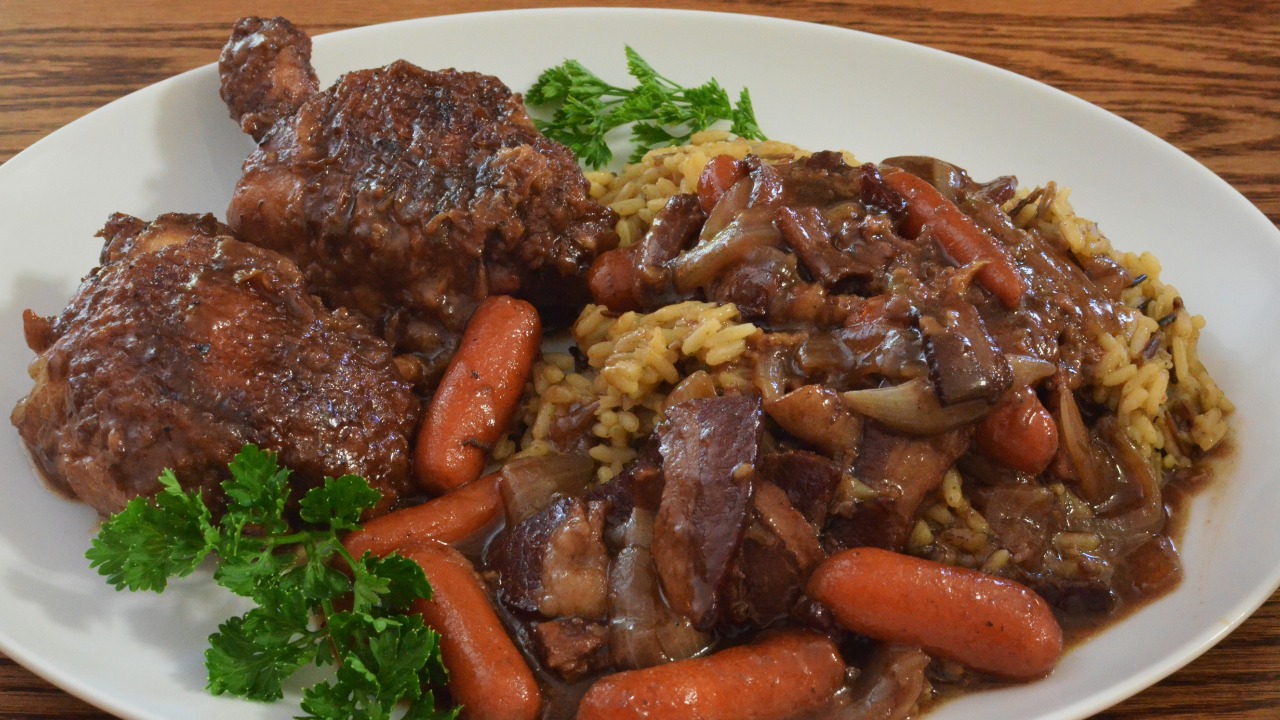
Burgundy’s culinary scene is as rich and varied as its wines. Signature dishes like coq au vin and boeuf bourguignon have become emblematic of French cuisine, showcasing the region's love for hearty, flavorful meals. Coq au vin, made by slow-cooking chicken in red wine with mushrooms, onions, and bacon, embodies the rustic charm of Burgundy’s cooking. Boeuf bourguignon, a stew of beef braised in red wine, garlic, and herbs, offers a similarly robust flavor profile.
Pairing wine with food is an integral part of the Burgundy dining experience. A red Burgundy, with its bright acidity and subtle tannins, can beautifully complement the rich flavors of coq au vin. Similarly, the earthy notes of a Pinot Noir can enhance the savory elements of boeuf bourguignon. For white wines, a mineral-driven Chablis can balance the creaminess of a dish like escargot with garlic butter, providing a harmonious dining experience.
Burgundy’s local ingredients play a crucial role in its culinary identity. The region’s markets are a feast for the senses, offering fresh produce, cheeses, and meats that form the backbone of traditional dishes. The Dijon market, for example, is renowned for its selection of regional specialties, including mustard and gingerbread. Visiting these markets not only provides insight into the region's gastronomic heritage but also offers a chance to sample the flavors that define Burgundy cuisine.
Cultural Heritage and Traditions
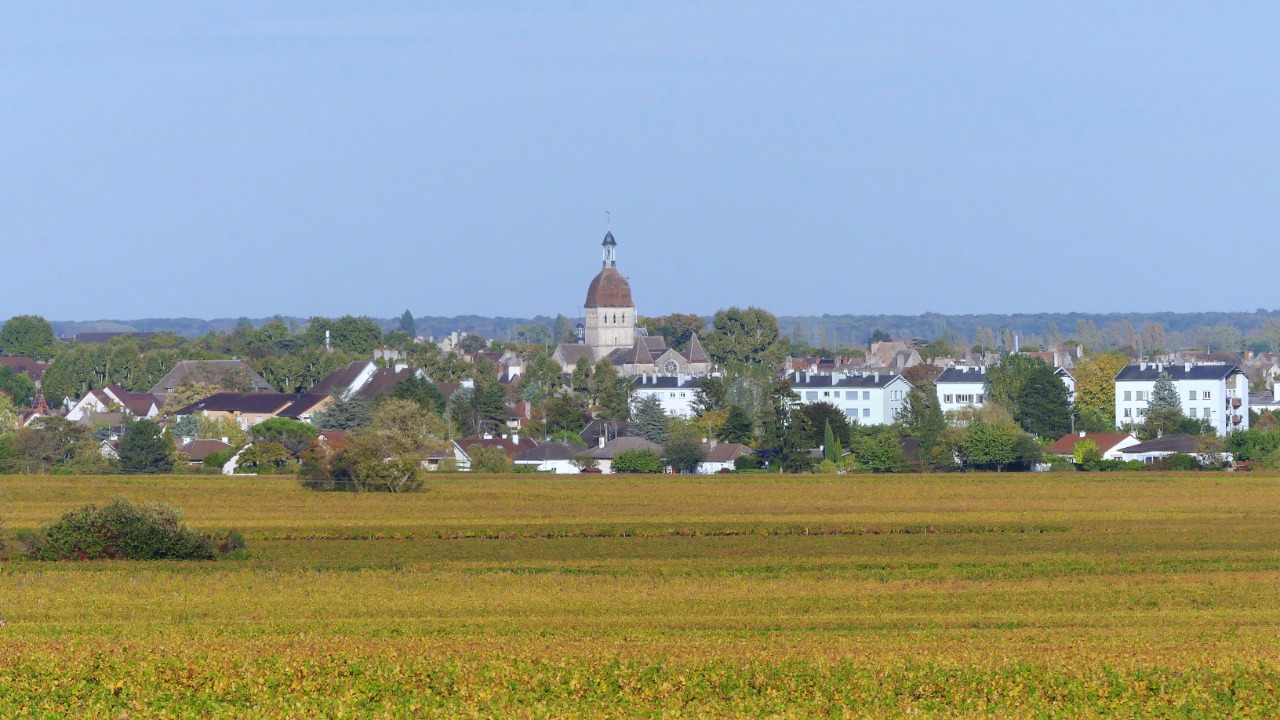
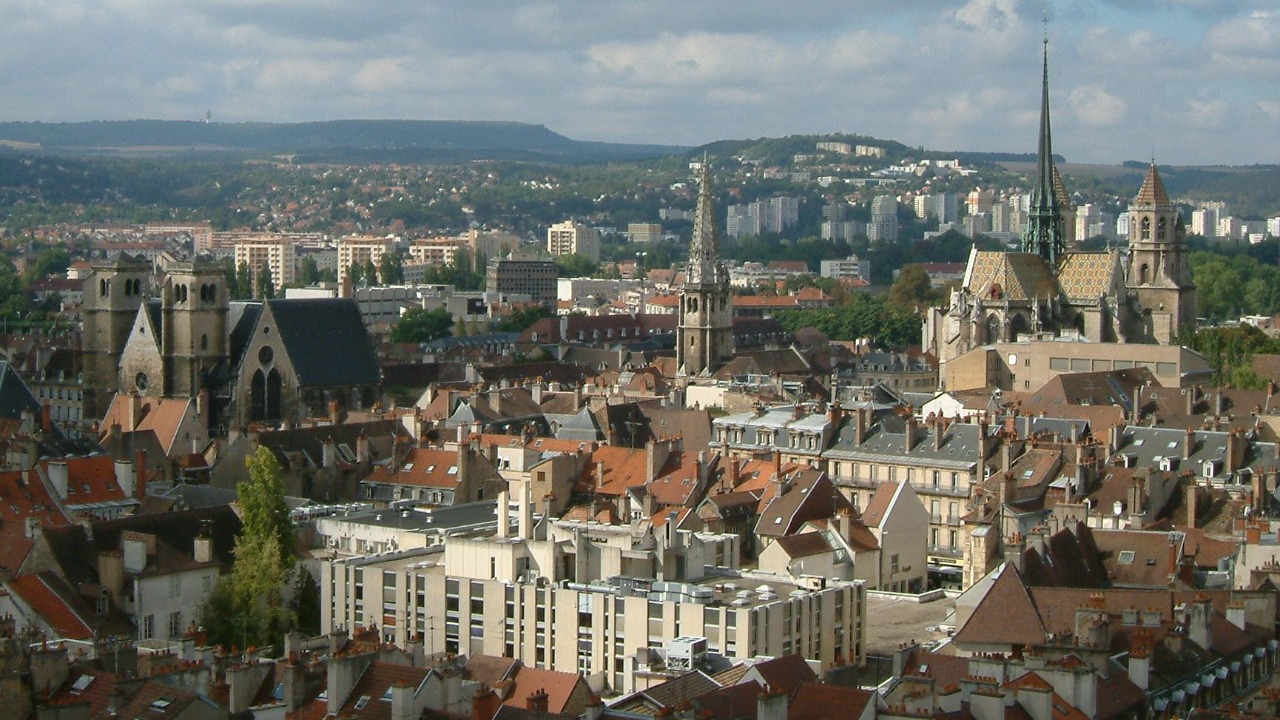
Burgundy is a treasure trove of historical landmarks that reflect its rich past. Medieval towns such as Beaune and Dijon are home to stunning architecture and ancient abbeys, offering a glimpse into the region’s storied history. The Hospices de Beaune, a former hospital dating back to the 15th century, stands as a testament to Burgundy’s architectural and cultural legacy.
The cultural festivities in Burgundy are just as vibrant as its wines and food. The annual wine harvest festival, known as the Fête de la Vendange, is a celebration of the region's winemaking heritage. Visitors can partake in traditional dances, taste freshly harvested grapes, and immerse themselves in the lively atmosphere. Other events, such as the Dijon International Gastronomy Fair, offer a platform to experience local customs and culinary traditions.
Art and architecture are integral to Burgundy’s cultural identity. The region boasts an array of Romanesque churches and Gothic cathedrals, each showcasing the evolution of architectural styles over the centuries. The Musée des Beaux-Arts in Dijon houses an impressive collection of paintings and sculptures, highlighting the artistic achievements of the region. Exploring these cultural landmarks offers a deeper appreciation of Burgundy’s historical and artistic significance.
Planning Your Visit to Burgundy

Planning a trip to Burgundy involves a blend of anticipation and logistics. One of the first considerations is the timing of your visit. The region is beautiful year-round, but the vibrant hues of autumn during the grape harvest season offer a particularly picturesque backdrop. Springtime, with its mild weather and blooming vineyards, is another excellent time to explore.
Accommodation in Burgundy ranges from charming bed-and-breakfasts to luxurious châteaux. Staying in a château can be a unique way to experience the region’s history and elegance. Transportation is also a consideration, with options ranging from car rentals to trains that connect major towns and cities. Navigating Burgundy is relatively straightforward, allowing for spontaneous detours to explore hidden gems.
Understanding local etiquette and language can enhance your travel experience. While many locals speak English, learning a few basic French phrases can go a long way in fostering goodwill. Greeting shopkeepers and restaurant staff with a friendly "Bonjour" sets a positive tone for interactions. Additionally, familiarizing yourself with dining customs, such as savoring a leisurely meal, helps to fully embrace the Burgundy lifestyle.
Embracing the Burgundy Lifestyle
Immersing oneself in the Burgundy lifestyle is about more than just sightseeing; it’s about embracing the region’s pace and traditions. Leisurely walks through vineyards offer a chance to connect with nature and appreciate the landscapes that define Burgundy. Engaging with local communities at village events or markets provides insight into the daily lives of Burgundians.
Sustainability is a core value in Burgundy, reflected in its commitment to sustainable viticulture and gastronomy. Many vineyards in the region practice organic or biodynamic farming, prioritizing environmental stewardship. Supporting these practices as a visitor means choosing to dine at establishments that source local ingredients or opting for winery tours that highlight eco-friendly methods.
Finally, a visit to Burgundy is an opportunity for personal reflection. Whether it's savoring a glass of wine in a picturesque vineyard or sharing a meal with newfound friends, the experiences in Burgundy can lead to lasting connections. The region invites you to slow down, savor the moment, and create memories that resonate long after your journey ends.