
Knife skills chefs practice every day
As an Amazon affiliate, I earn from qualifying purchases.
Mastering knife skills is fundamental for chefs, transforming culinary tasks into seamless and efficient processes. These skills are not only about speed but also about precision, safety, and enhancing the quality of the dishes. Chefs practice a range of essential knife techniques daily to maintain their edge in the kitchen, ensuring each meal is prepared with expertise and care.
Understanding Knife Types and Uses
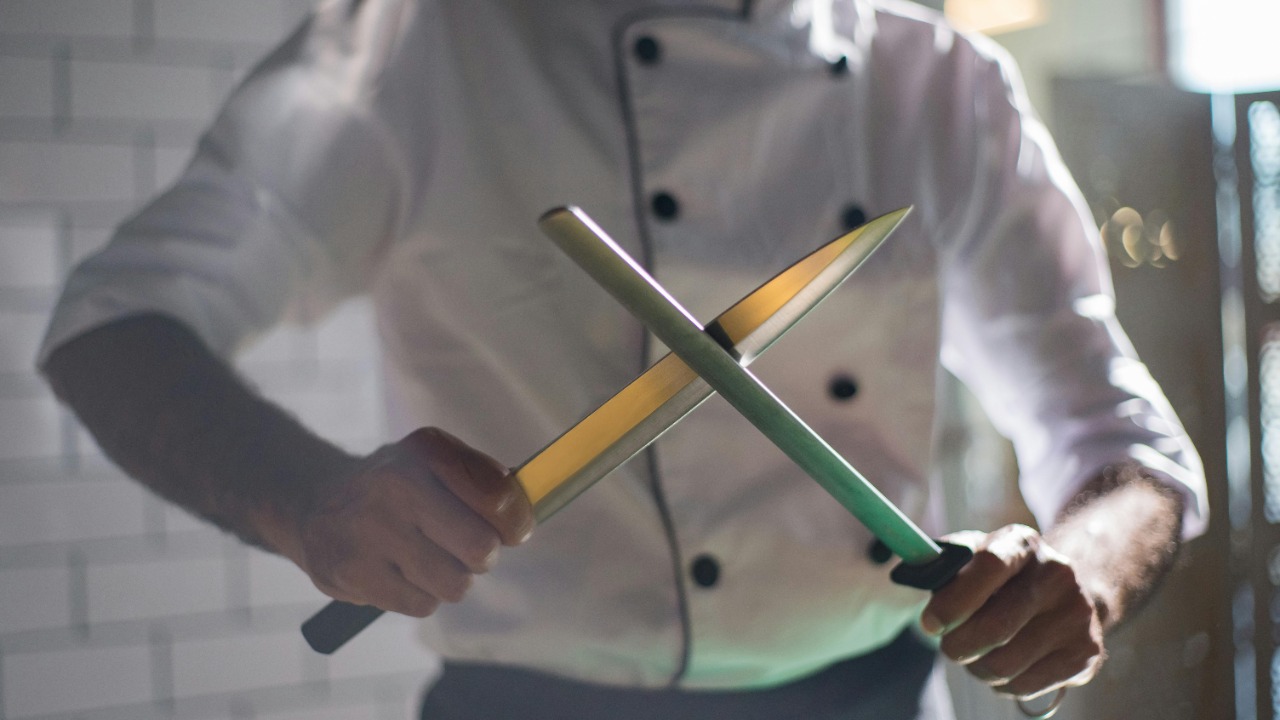
In the world of culinary arts, the knife is perhaps the most crucial tool at a chef's disposal. Each type of knife serves a unique purpose, tailored to specific tasks that optimize efficiency and effectiveness in the kitchen. The chef's knife, often considered the workhorse of the kitchen, is versatile enough to handle a variety of tasks, from chopping vegetables to slicing meat. Its broad blade and length provide the control needed for larger cuts. On the other hand, a paring knife, with its small and precise blade, is ideal for tasks that require more finesse, such as peeling or trimming.
Serrated knives are another essential tool, particularly for cutting through foods with a tougher exterior and softer interior, like bread or tomatoes. Their saw-like edges allow for clean cuts without crushing the food. Selecting the appropriate knife for each ingredient is vital in achieving the desired texture and presentation. For instance, using a chef's knife for cutting bread might result in a squashed loaf, whereas a serrated knife ensures neat, even slices.Moreover, the importance of a well-balanced knife cannot be overstated. A knife that feels balanced in hand offers better control and reduces fatigue during prolonged use. Chefs often spend time selecting knives that offer the best comfort and performance, recognizing that these choices directly impact the quality of their work and the safety of their hands.
Essential Cutting Techniques
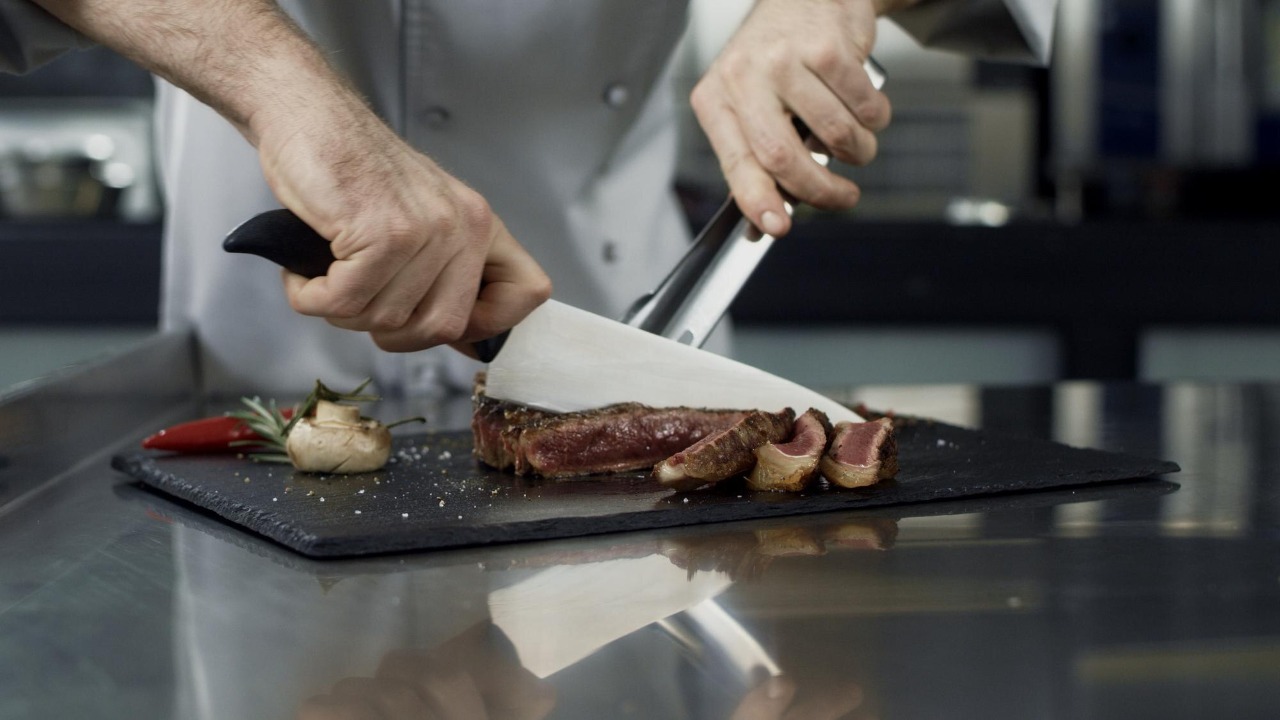
At the heart of culinary knife skills are the fundamental cuts: dice, slice, and julienne. These basic techniques form the foundation for more advanced preparations and are essential for any aspiring chef to master. Dicing involves cutting food into uniform cubes, typically used for vegetables like onions or carrots, ensuring even cooking. Slicing, whether thin or thick, is used for a variety of foods, from meats to fruits, and requires a steady hand to achieve uniformity.
Julienning involves cutting food into long, thin strips, often used for garnishes or salads. Mastering these basic cuts is crucial, but advancing to techniques like chiffonade, brunoise, and paysanne can elevate a chef's skill set further. Chiffonade, for example, involves stacking leaves like basil or spinach, rolling them tightly, and slicing them into thin ribbons, perfect for garnishing.Brunoise, a finer version of dicing, involves cutting food into very small cubes, often used in soups and sauces for a refined texture. Paysanne is a more rustic cut, typically used for vegetables, where the pieces are cut to mimic the shape of the ingredient. Practicing these techniques regularly ensures that chefs can produce consistent cuts, which is vital for even cooking and an aesthetically pleasing presentation.
Knife Safety Practices
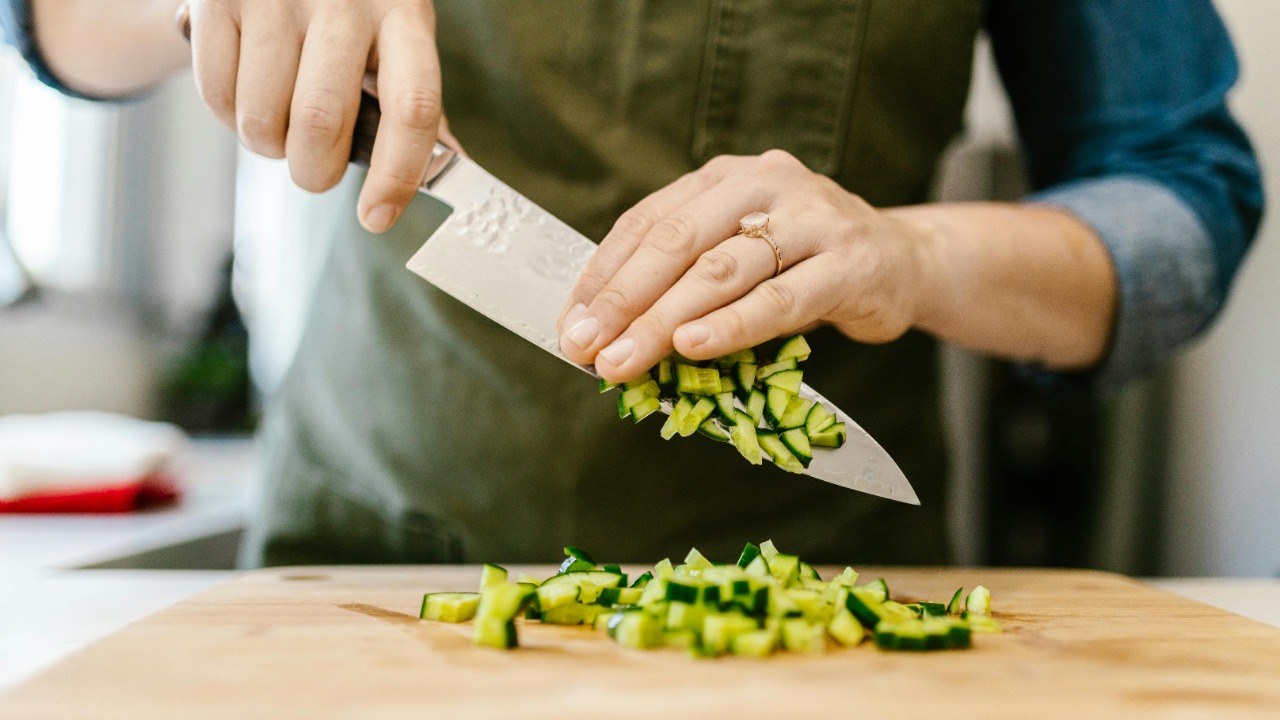
Safety in the kitchen is paramount, and proper knife handling is an essential aspect of preventing accidents. One of the first lessons in knife safety is mastering the correct grip. Chefs are taught to hold the knife firmly with their dominant hand, using a grip that balances control and comfort. The index finger and thumb should pinch the blade itself, while the other fingers wrap around the handle, providing stability.
Equally important is the positioning of the guiding hand, which holds the food in place. By curling the fingers inward, chefs create a protective barrier, minimizing the risk of cutting themselves. Maintaining a clean and organized workspace also contributes to safety, as clutter can lead to distractions and accidents.Regular knife maintenance is crucial for both performance and safety. A dull knife requires more force to cut, increasing the likelihood of slipping and causing injury. Chefs diligently sharpen their knives using honing rods or sharpening stones, and some may even invest in professional sharpening services to ensure their tools remain in top condition. This attention to maintenance not only enhances cutting efficiency but also extends the lifespan of the knives.
Efficiency and Speed in the Kitchen
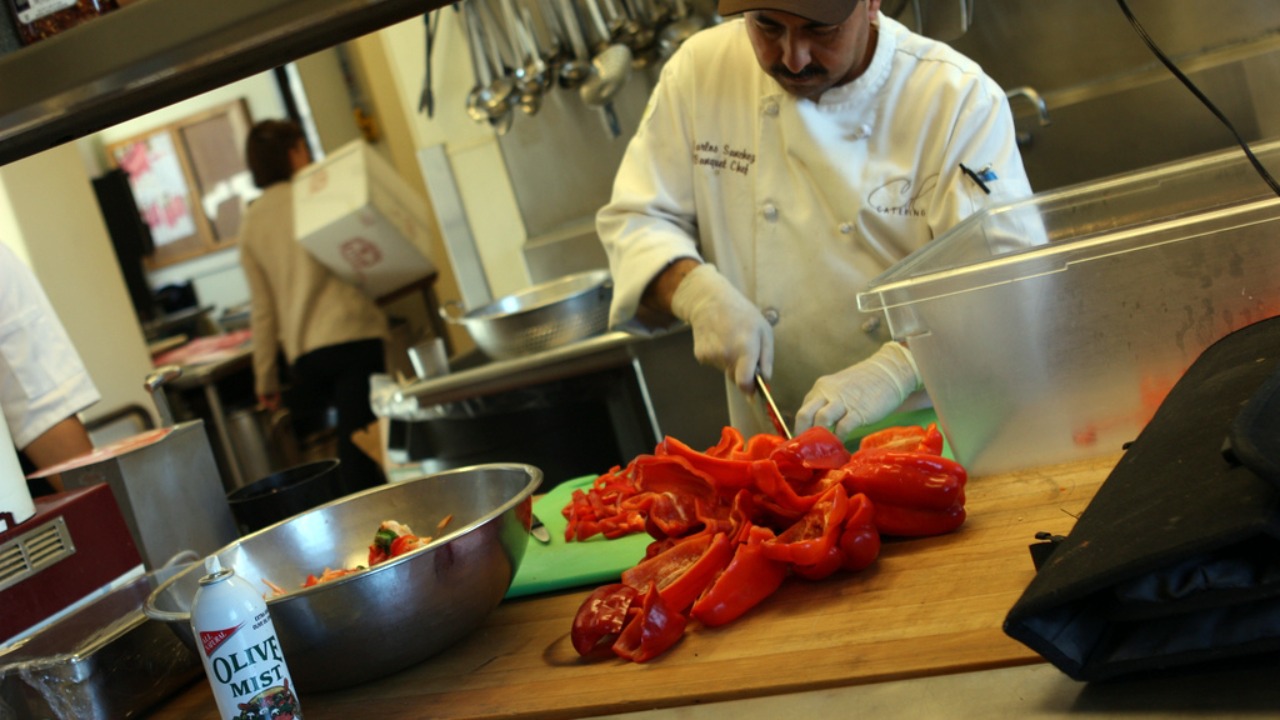
In a bustling kitchen, efficiency and speed are critical, and knife skills play a significant role in streamlining operations. The practice of mise en place, which means "everything in its place," is a testament to this principle. By organizing ingredients and tools before cooking begins, chefs can move seamlessly through meal preparation, reducing stress and improving productivity.
Developing muscle memory is another key aspect of achieving speed and precision. Chefs practice their techniques repeatedly, allowing their hands to perform tasks almost automatically. This repetition not only improves speed but also ensures that cuts are consistent, which is vital for both the appearance and cooking time of dishes. Muscle memory is especially beneficial during busy service times when chefs must work quickly without sacrificing quality.However, speed must always be balanced with accuracy. Rushing through cuts can lead to mistakes, compromising the dish's quality and safety. Chefs learn to find a rhythm that maximizes productivity while maintaining the high standards expected in professional kitchens.
Enhancing the Final Dish
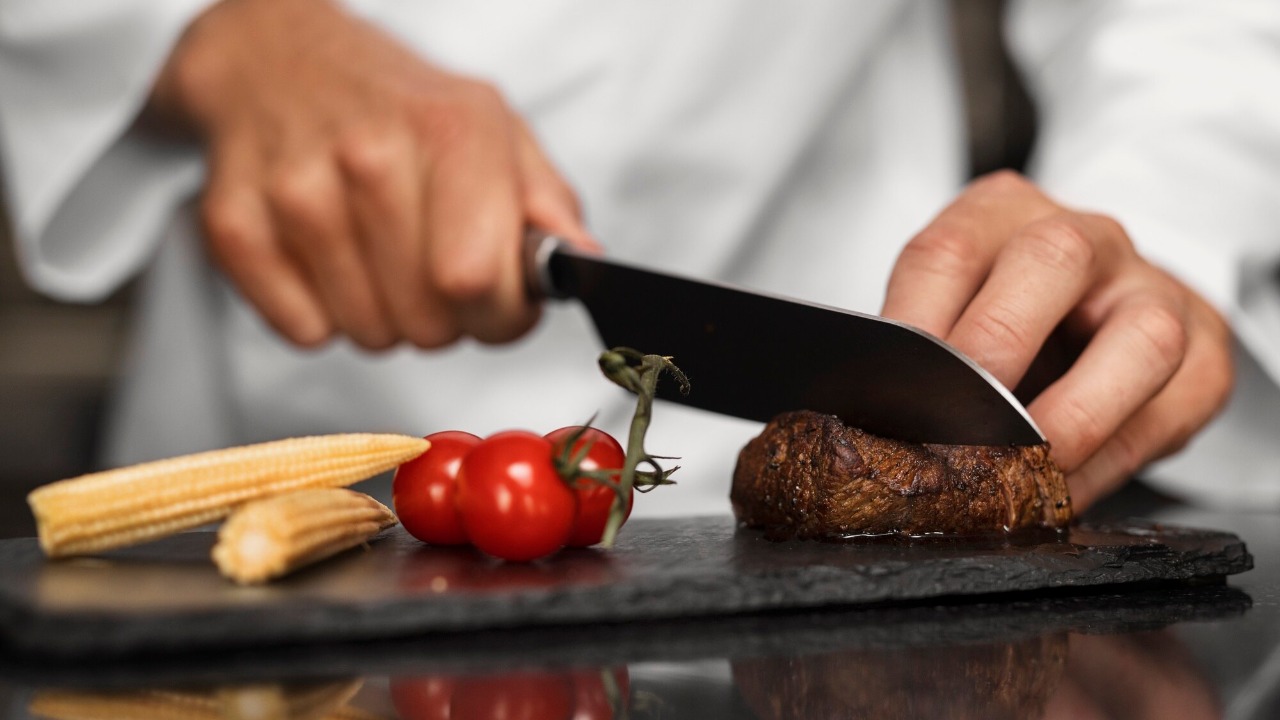
Precision in knife work does more than just improve the cooking process; it also enhances the final dish. The size and shape of cuts can affect the texture and flavor absorption of foods. For example, smaller, uniform pieces of vegetables cook evenly, ensuring each bite is consistent and flavorful. When preparing proteins, precise cuts can help control cooking times, retaining moisture and tenderness.
Aesthetics also play a significant role in the dining experience. Uniform and creative knife work can transform a dish into a visual masterpiece, appealing to diners' senses even before they take a bite. Techniques like the julienne or brunoise add intricate details that elevate the visual presentation, making dishes more enticing.Pairing these knife skills with plating techniques further enhances the dish's appeal. Chefs often use their knife skills to create garnishes and decorations that complement the main components, adding layers of texture and color. The combination of precise cuts and thoughtful plating invites diners to savor not just the flavors but the artistry of the meal as well.