One-pan coq au vin for cozy nights
As an Amazon affiliate, I earn from qualifying purchases.
There's nothing quite like the aroma of a classic French dish simmering away to make a cozy night feel truly special. One-pan coq au vin offers a simplified yet flavorful twist on the traditional recipe, making it perfect for a comforting meal without the hassle. This guide will walk you through crafting a delicious one-pan coq au vin, perfect for any cozy night in.
The Allure of Coq au Vin

Historical Roots and Tradition
Coq au vin, a quintessential French dish, has its roots deeply embedded in the rural kitchens of France. Traditionally made with rooster, the dish was a means to tenderize and flavor tough meat by slow-cooking it in wine. Over time, this method was refined, and today it stands as a symbol of French culinary tradition. While many classic French recipes have evolved, the essence of coq au vin remains unchanged—marrying the rich flavors of wine, chicken, and aromatic vegetables.
Why One-Pan Cooking Works
Using a single pan in cooking is a game-changer, especially for dishes like coq au vin. This approach not only simplifies the process but also enhances the dish by allowing the flavors to develop more fully as they meld together. The convenience of one-pan cooking is a boon for home cooks, reducing the hassle of cleanup while still delivering the rich, deep flavors that coq au vin is known for.
Key Ingredients and Their Roles
The Protein – Chicken's Place in the Dish
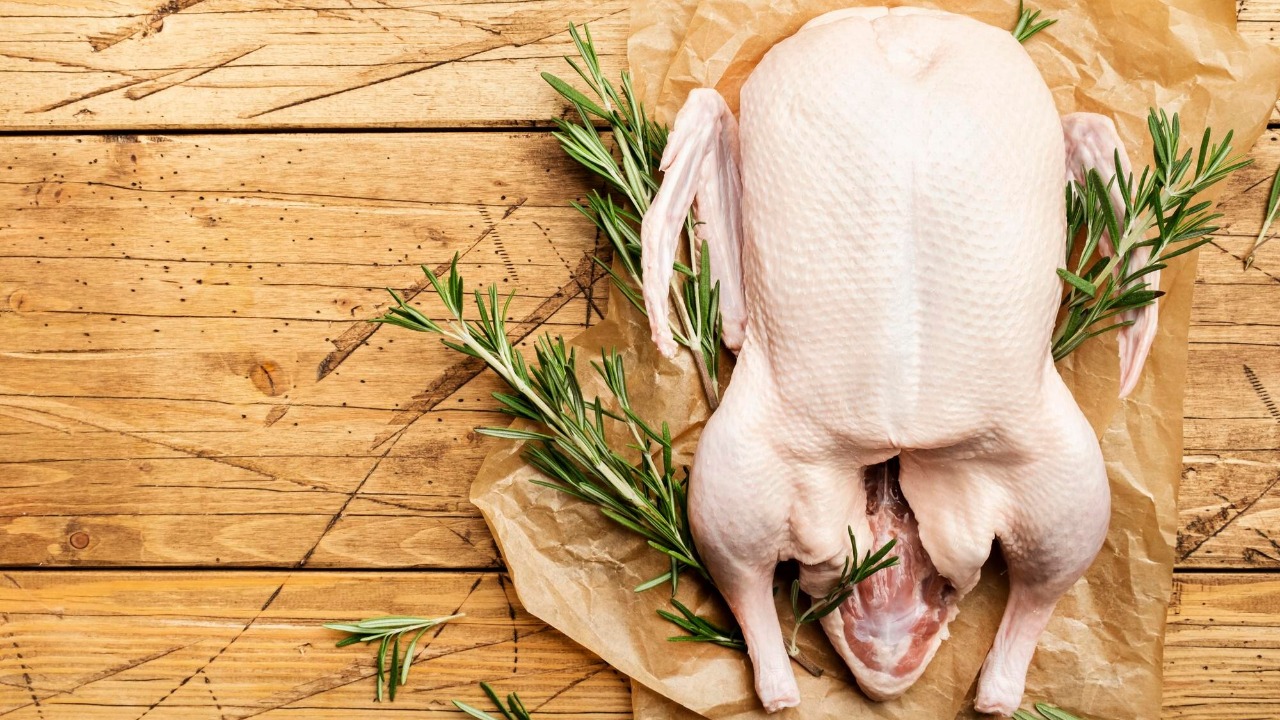
While the traditional coq au vin uses rooster, modern adaptations favor chicken for its accessibility and tenderness. Chicken pieces, particularly thighs and legs, work well as they hold up to slow cooking and absorb the flavors beautifully. Marinating the chicken in wine and aromatics beforehand is crucial, as it allows the meat to develop a robust flavor profile, elevating the dish from simple to sublime.
Vegetables and Aromatics
Onions, carrots, and mushrooms play vital roles in building the flavorful base of coq au vin. These vegetables not only add texture but also contribute to the depth of the sauce. Garlic and herbs like thyme and bay leaves are indispensable, infusing the dish with their fragrant notes. These elements, combined with the wine, create a harmonious balance that is the hallmark of a well-made coq au vin.
Step-by-Step Cooking Guide

Preparation and Marination
To begin, ensure your chicken pieces are well-trimmed and pat them dry to promote even browning. For the marinade, a good red wine, such as Burgundy, is recommended. Combine it with crushed garlic, thyme, and bay leaves, and allow the chicken to soak overnight if possible. This step is crucial, as the marination process imparts depth and complexity to the finished dish.
Bringing it All Together
Start by browning the marinated chicken in a hot pan, allowing each side to develop a golden crust. Remove the chicken and add your vegetables to the same pan, letting them soften and absorb the chicken's flavorful fond. Return the chicken to the pan, pour in the reserved wine marinade, and let it simmer until the chicken is tender and the sauce has thickened to a glossy consistency. For a detailed recipe, you might find this guide helpful.
Serving Suggestions and Pairings

Accompaniments for the Perfect Meal
Coq au vin is wonderfully complemented by side dishes that can soak up its rich sauce. Consider serving it with crusty French bread or creamy mashed potatoes, which provide a comforting base. A fresh green salad, perhaps with a light vinaigrette, offers a crisp contrast that balances the richness of the main dish.
Wine Pairing Tips
Choosing the right wine to accompany coq au vin can enhance the dining experience significantly. A medium-bodied red, such as Pinot Noir or Merlot, typically pairs well, echoing the wine used in cooking. Different wine choices can subtly alter the flavor profile, so feel free to experiment and find what best suits your taste. For more inspiration on pairing wines with your meal, you can explore these ideas.