Restaurant prep habits to steal
As an Amazon affiliate, I earn from qualifying purchases.
In the fast-paced world of restaurant kitchens, efficiency and organization are key to success. Many of the habits and techniques used by professional chefs can be adapted for home kitchens to improve cooking skills and streamline meal prep. By incorporating these strategies, home cooks can enhance their culinary experience and enjoy a more organized and efficient kitchen environment.
Maximizing Kitchen Space and Organization

The cornerstone of an organized kitchen starts with the concept of mise en place, a French term that means "everything in its place." This practice involves preparing and arranging ingredients before cooking, which ensures a smoother and more efficient process. By adopting this method, home cooks can avoid the chaos of searching for ingredients mid-recipe. For instance, before starting a stir-fry, you can have your vegetables chopped, proteins marinated, and sauces mixed, all ready to go.Another great way to enhance kitchen organization is through clever storage solutions. Restaurants often utilize creative space-saving techniques that can be easily adopted at home. For example, using stackable containers for pantry items or installing pull-out shelves can make better use of cabinet space. To discover more innovative ideas, check out these clever kitchen storage ideas.Utilizing vertical space is another restaurant-inspired strategy. In many professional kitchens, walls and overhead areas are used to store pots, pans, and utensils, freeing up counter space. Home cooks can install wall-mounted racks or magnetic strips to keep frequently used items within reach. This not only maximizes storage but also adds a practical and stylish element to the kitchen.
Efficient Cooking Techniques

Batch cooking is a technique that professional chefs rely on to save time and reduce stress, and it can be a game-changer for home cooks as well. By preparing meals in large quantities, you can enjoy home-cooked food throughout the week without spending hours in the kitchen every day. For example, cooking a big pot of chili on Sunday can provide meals for several days, freeing up time for other activities.Mastering knife skills is another essential practice for efficient cooking. Professional chefs are trained to chop, slice, and dice with speed and precision, which significantly cuts down on prep time. Home cooks can benefit from learning basic techniques, such as the julienne or chiffonade, to enhance their efficiency. A well-honed knife and proper cutting techniques not only make cooking faster but also safer.Time management in the kitchen is crucial for executing meals efficiently, much like in a professional setting. Planning meals in advance and setting up a cooking schedule can help streamline the process. By organizing tasks in a logical sequence—such as starting a slow-cooking dish first and then preparing sides—you can make the most of your time in the kitchen. For more detailed strategies, you can explore expert tips on this topic.
Hygiene and Cleanliness Practices

The clean-as-you-go method is a habit that professional chefs swear by to maintain a tidy workspace. By cleaning and organizing as you cook, you prevent clutter and ensure a safe cooking environment. This practice not only makes the cooking process more enjoyable but also reduces the time spent cleaning up afterward.Deep cleaning routines are another important aspect of maintaining a pristine kitchen. Just as restaurants have regular schedules for deep cleaning tasks, home kitchens can benefit from periodic intensive cleaning. This might include scrubbing appliances, disinfecting surfaces, and organizing cupboards. Establishing a routine ensures that your kitchen remains in top condition.Food safety protocols are crucial in both professional and home kitchens. Properly handling and storing food prevents contamination and ensures meals are safe to eat. Simple practices like washing hands frequently, using separate cutting boards for raw meats, and storing perishables at the correct temperature can make a significant difference. For more insights into maintaining a clean kitchen, consider these cleaning tips.
Incorporating Professional Tools and Equipment
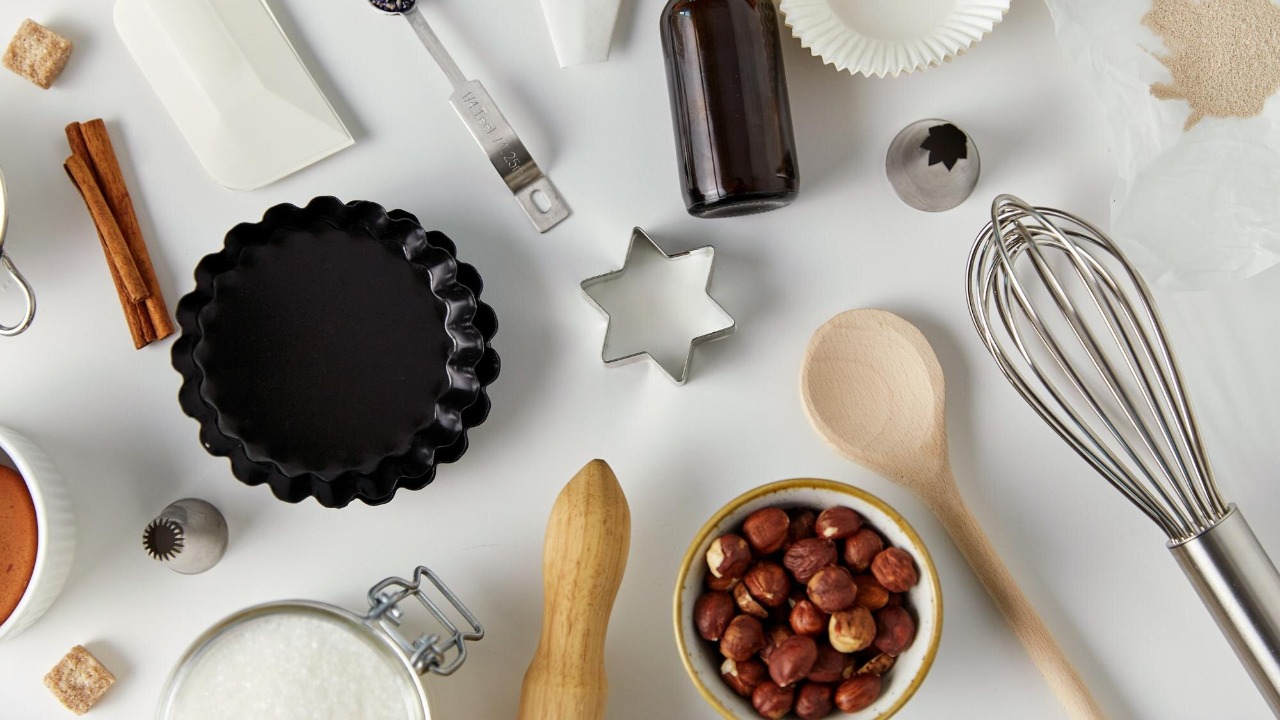
Essential kitchen gadgets can significantly enhance your cooking experience. Many of the tools used in restaurants can be invaluable in a home kitchen as well. A high-quality chef's knife, a reliable food processor, and a sturdy cast-iron skillet are just a few examples of equipment that can elevate your culinary skills.Multi-functional equipment is another way to save time and space. Appliances like an Instant Pot or a stand mixer with multiple attachments can perform a variety of tasks, reducing the need for multiple devices. Selecting versatile equipment ensures you get the most out of your kitchen space without sacrificing functionality.Maintaining and caring for kitchen tools is essential to ensure their longevity. Regularly sharpening knives, seasoning cast-iron pans, and following the manufacturer's cleaning instructions for appliances will keep your tools in excellent condition. This not only extends the life of your equipment but also enhances your cooking experience. For a humorous take on chefs' love for their tools, you might enjoy reading about Chef Gavin Kaysen's spoon habit.
Creating a Restaurant-Like Atmosphere at Home

Streamlining the cooking process by arranging your kitchen layout to mimic a restaurant setup can vastly improve efficiency. Consider organizing your kitchen into stations, such as prep, cooking, and cleaning zones, to facilitate a smoother workflow. This approach helps in reducing movement and increasing productivity while cooking.Setting the mood with lighting and music can transform your kitchen into an inviting space. Soft lighting and your favorite playlist can make meal prep feel more enjoyable and less of a chore. Creating an inspiring cooking environment encourages creativity and makes the process more pleasurable.Involving family and friends in meal prep can turn cooking into a collaborative and enjoyable activity. Much like a restaurant team working together, inviting others to help with tasks such as chopping, stirring, or setting the table can make the experience more fun and less daunting. This not only speeds up the process but also provides an opportunity to bond over a shared love of food.