
10 Essential Cooking Tips for Beginners
As an Amazon affiliate, I earn from qualifying purchases.
Starting out in the kitchen can feel overwhelming, but with a few foundational tips, anyone can build confidence and cook great meals. These essential tips help beginners avoid common mistakes, work smarter, and enjoy the process of learning how to cook delicious food from scratch.
1. Read the Entire Recipe First
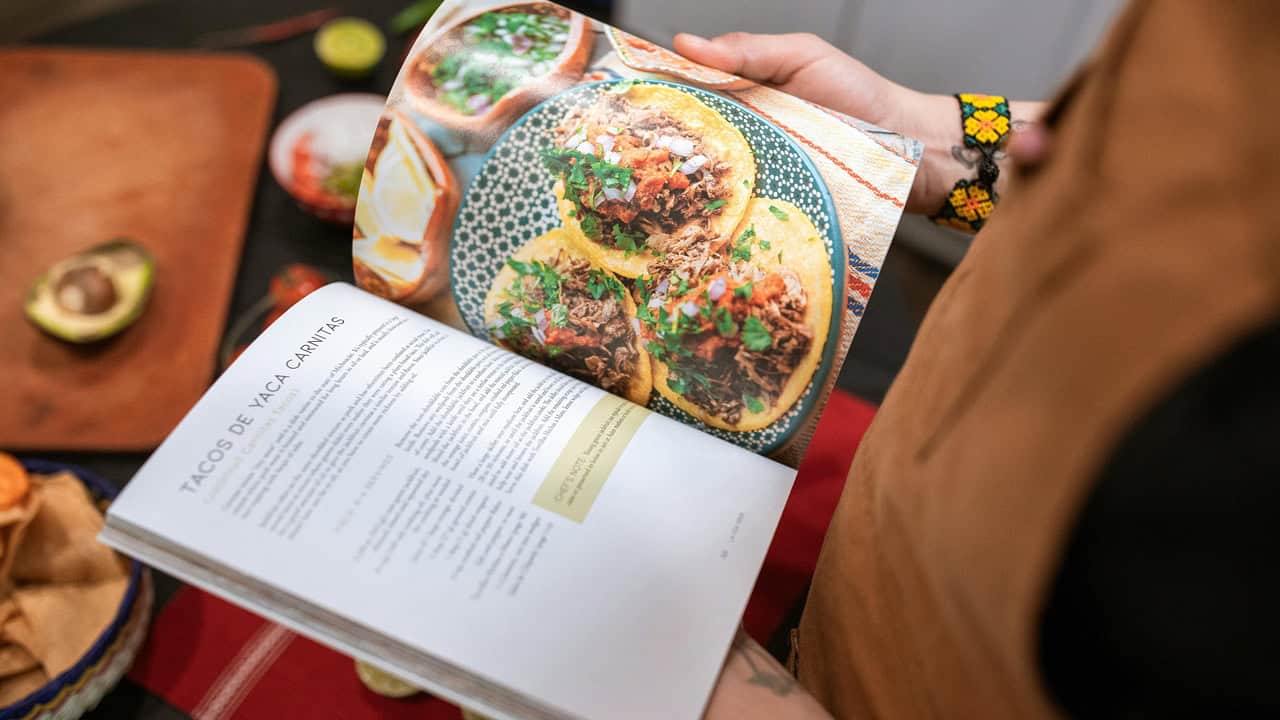
Before you start cooking, always read the entire recipe from beginning to end. This helps you understand the steps, prep times, and ingredients required. Knowing what’s coming next keeps you from making mistakes or rushing, especially during time-sensitive parts of the recipe.
2. Prep Ingredients Before You Cook
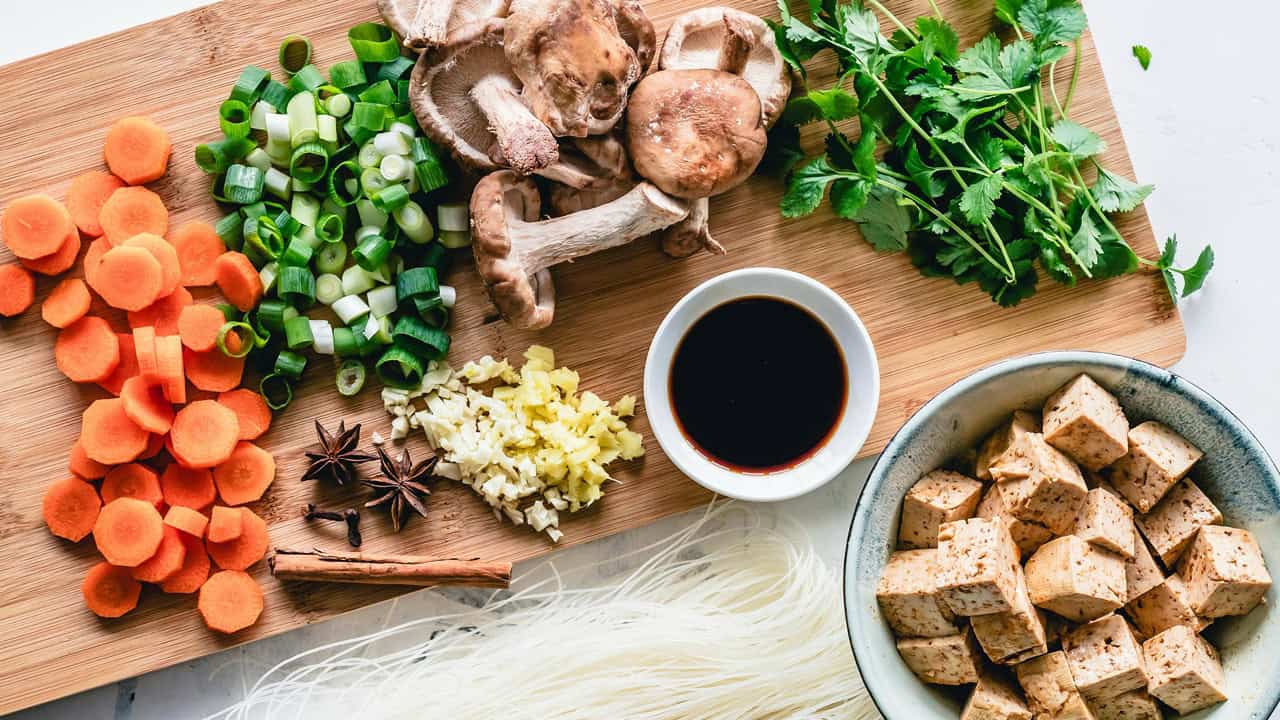
Chefs call it “mise en place”—having all your ingredients measured, chopped, and ready before cooking. This saves time and reduces stress. You’ll be able to focus on cooking instead of scrambling to chop an onion while something’s burning on the stove.
3. Use the Right Knife for the Job

Not all knives are created equal. A chef’s knife is great for chopping, while a paring knife is better for smaller tasks like peeling. Using the proper knife makes your prep work safer, faster, and more precise, especially as you develop your knife skills.
4. Don’t Crowd the Pan
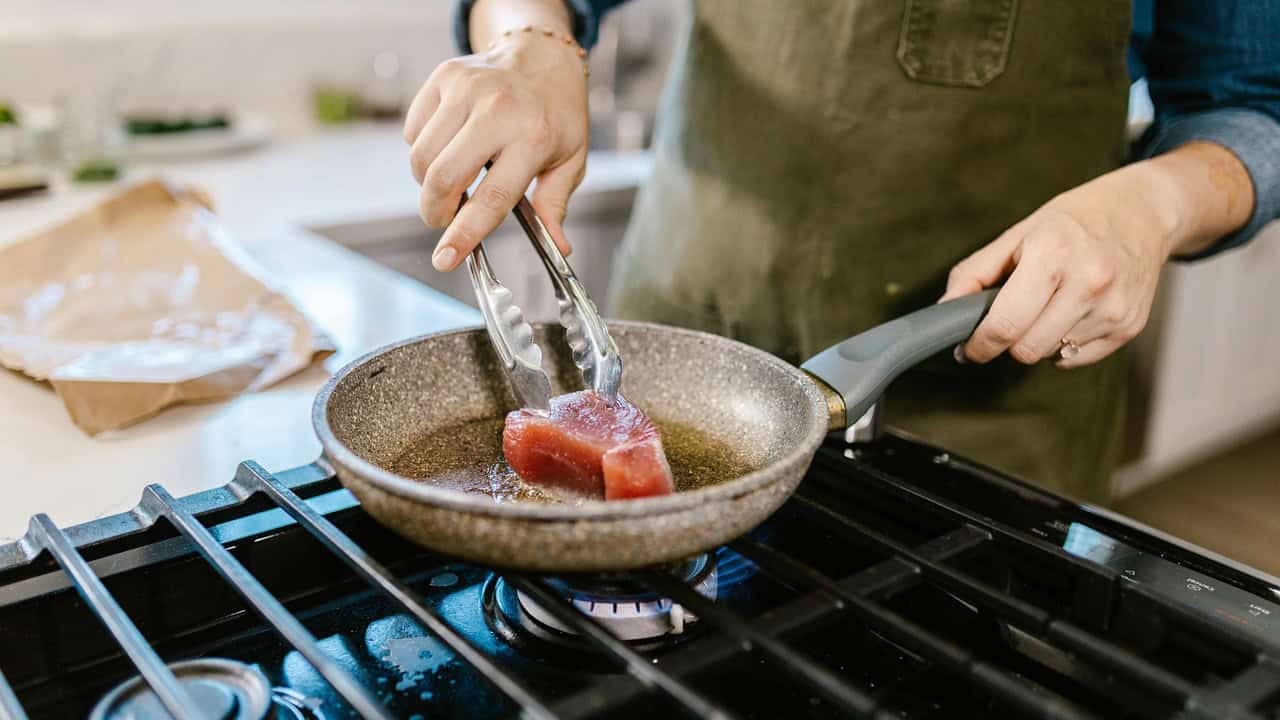
Overloading your pan can lead to steaming instead of searing. Give your food room to breathe so it cooks evenly and develops flavor. If needed, cook in batches—especially when browning meat or roasting vegetables for the best texture and taste.
5. Taste as You Go

One of the best ways to improve your cooking is to taste frequently. Adjust seasoning as you go, not just at the end. This helps you learn how flavors develop and ensures that your final dish isn’t bland, overly salty, or imbalanced.
6. Keep Your Pantry Stocked
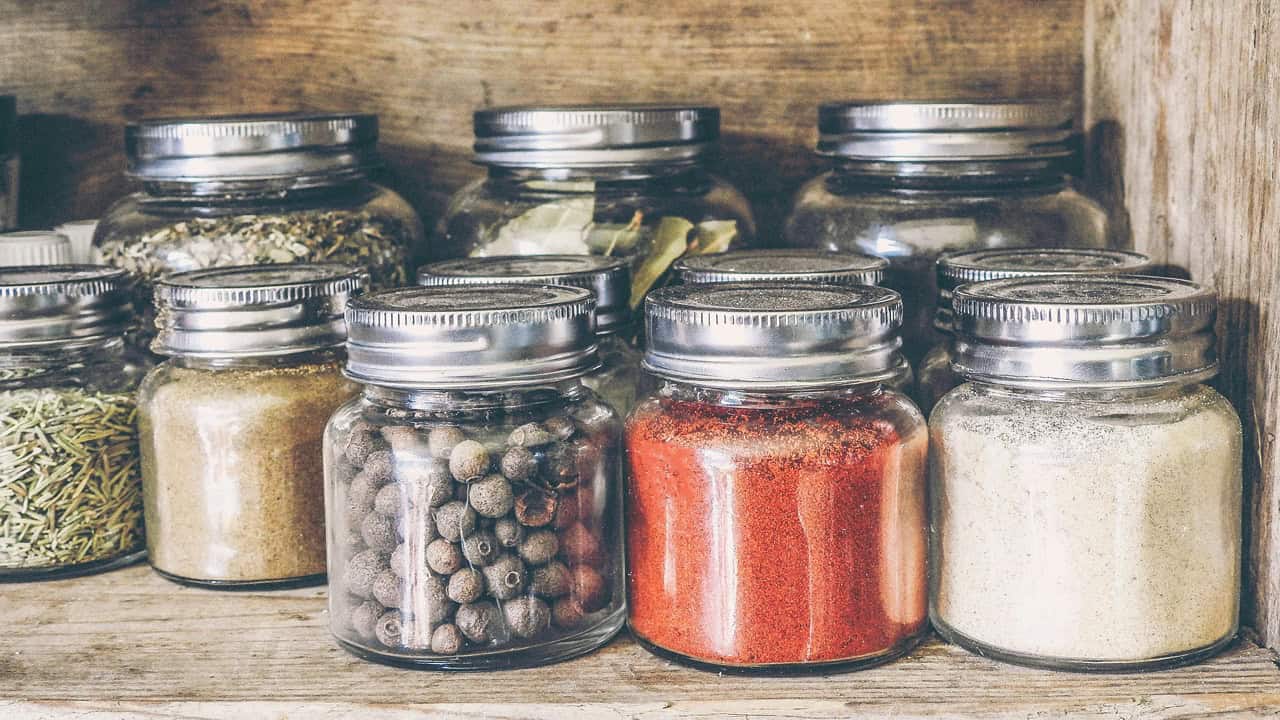
A well-stocked pantry makes cooking more flexible and less stressful. Keep essentials like olive oil, salt, pepper, canned tomatoes, pasta, rice, and basic spices on hand. These staples form the base of countless easy meals and help you whip up dishes without a last-minute store trip.
7. Clean As You Cook
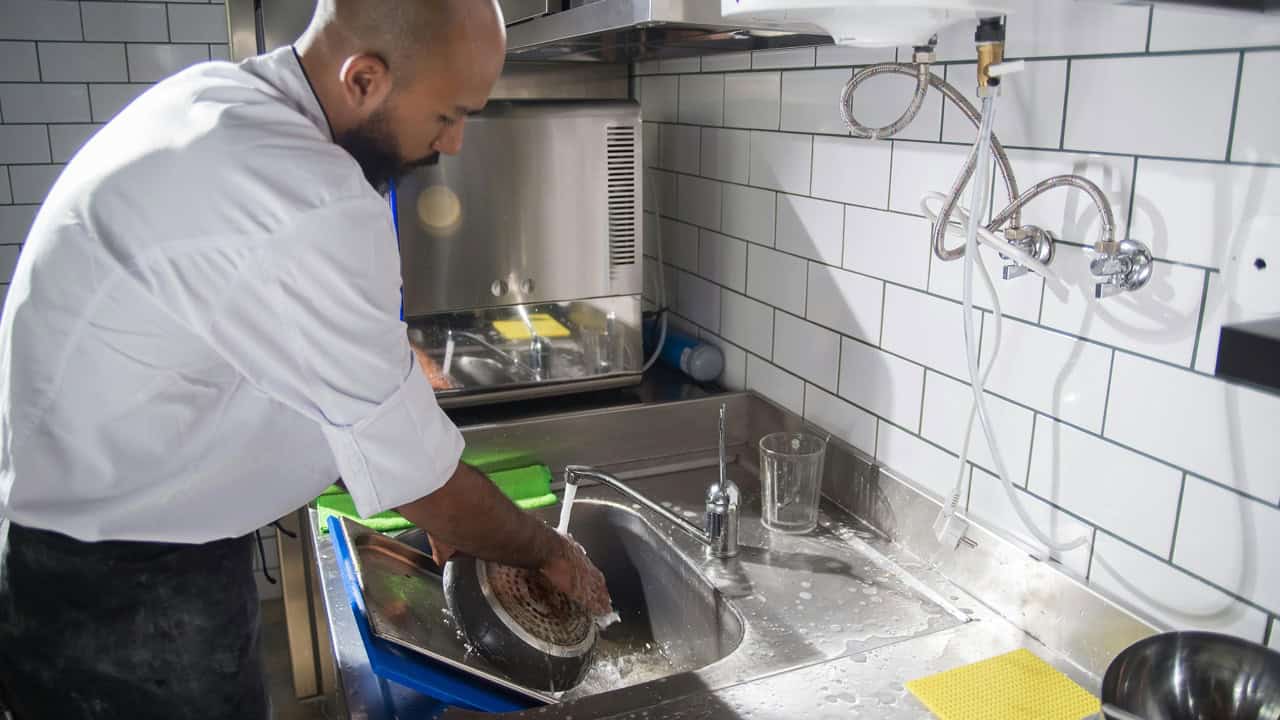
Keeping your workspace tidy makes cooking more enjoyable and less chaotic. Wash utensils, wipe surfaces, and put away ingredients while you cook. It prevents messes from piling up and makes cleanup after the meal faster and more manageable.
8. Invest in a Digital Meat Thermometer
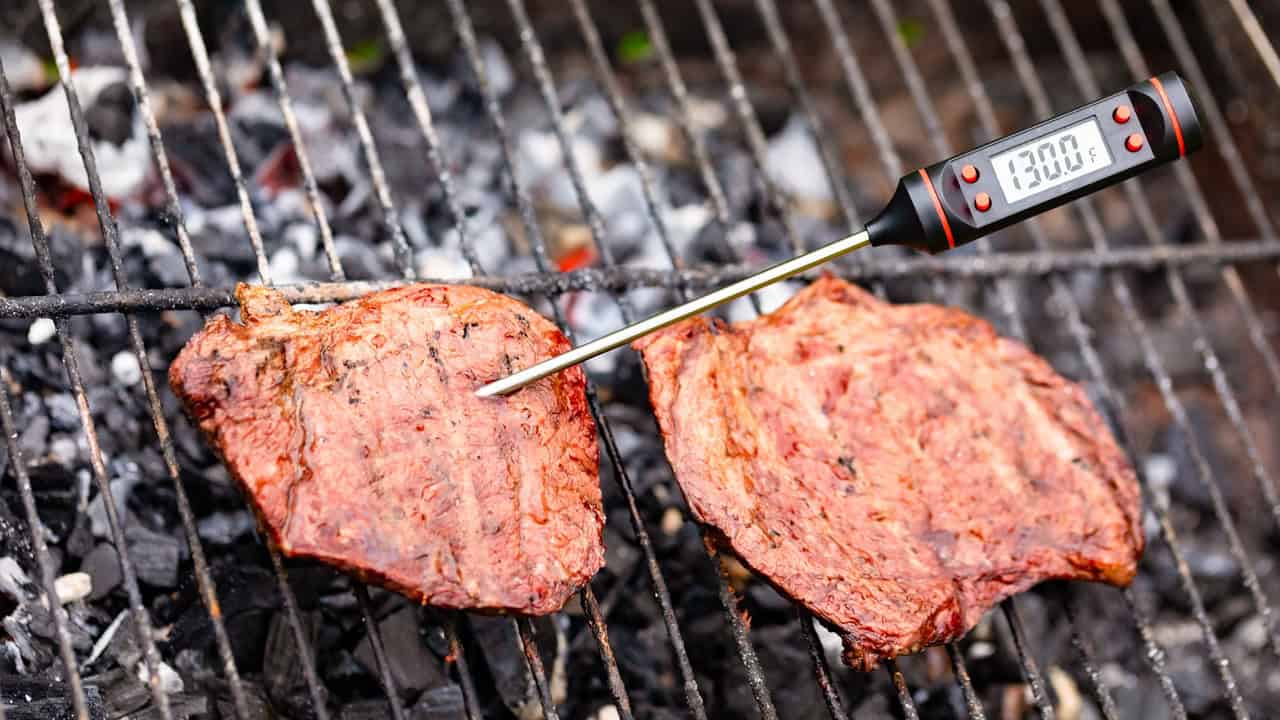
Guessing when meat is done can lead to dry or undercooked results. A digital meat thermometer takes the mystery out of cooking proteins. It’s an affordable tool that helps you serve safe, perfectly cooked meat every time—even if you’re new to the kitchen.
9. Use Fresh Ingredients When Possible
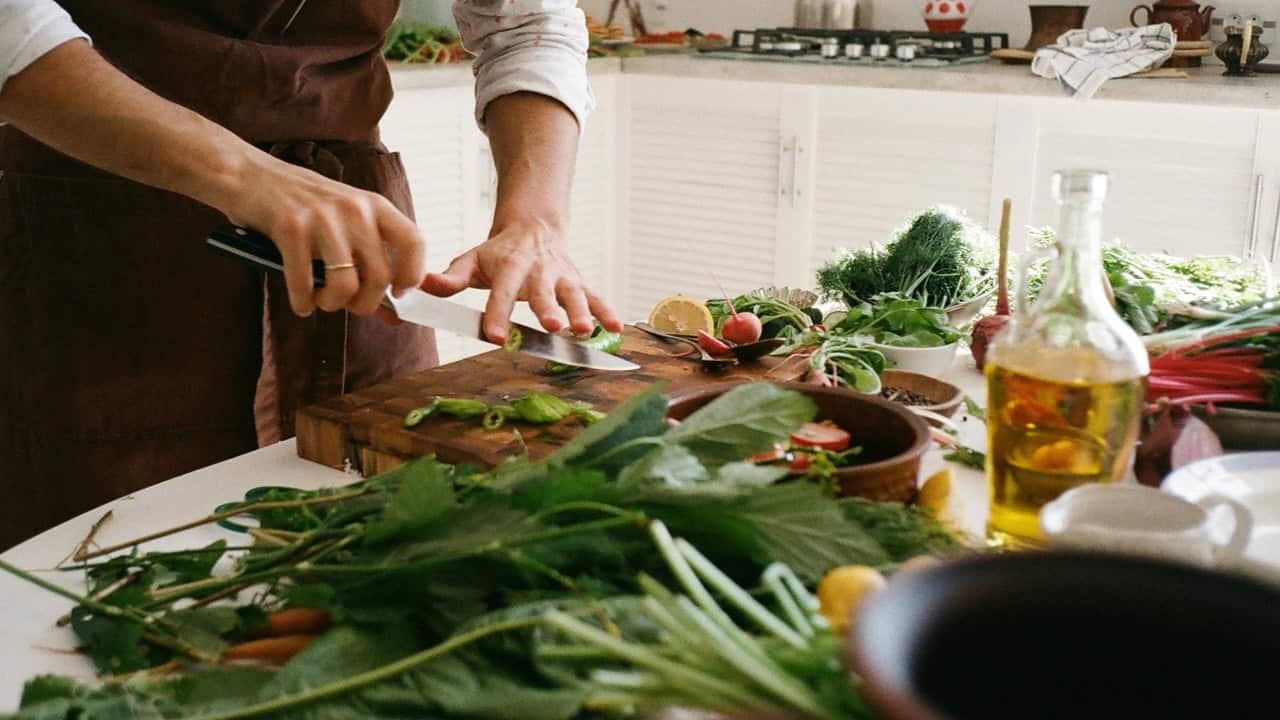
Fresh produce, herbs, and quality proteins make a big difference in flavor. While canned and frozen options are handy, using fresh ingredients whenever you can helps elevate simple meals and gives you a better sense of natural flavors as you learn.
10. Don’t Be Afraid to Make Mistakes

Cooking is a skill you build over time, and mistakes are part of the process. Burned onions or a flat cake won’t define you—they’ll teach you. Be curious, keep experimenting, and remember that every chef started exactly where you are now.