11 grocery items with the biggest price markups
As an Amazon affiliate, I earn from qualifying purchases.
It’s no secret that grocery stores mark up products to make a profit, but some items carry a far heftier premium than others. From everyday basics to convenience foods, these products often cost significantly more than what it takes to produce or package them.
Knowing which items come with the steepest markups can help you shop smarter, stretch your budget, and avoid overpaying for things you don’t really need. Here are 11 grocery items with the biggest price markups.
1. Bottled Water

Bottled water is a common household item, valued for its convenience and the perception that it is purer than tap water. Yet in many developed countries, tap water is highly regulated and perfectly safe to drink. The difference in cost comes down to marketing and packaging rather than the water itself.In fact, bottled water can cost hundreds or even thousands of times more than tap water. Most of what consumers are paying for is the plastic bottle, transportation, and advertising — not the water inside.
2. Pre-Cut Fruit and Vegetables
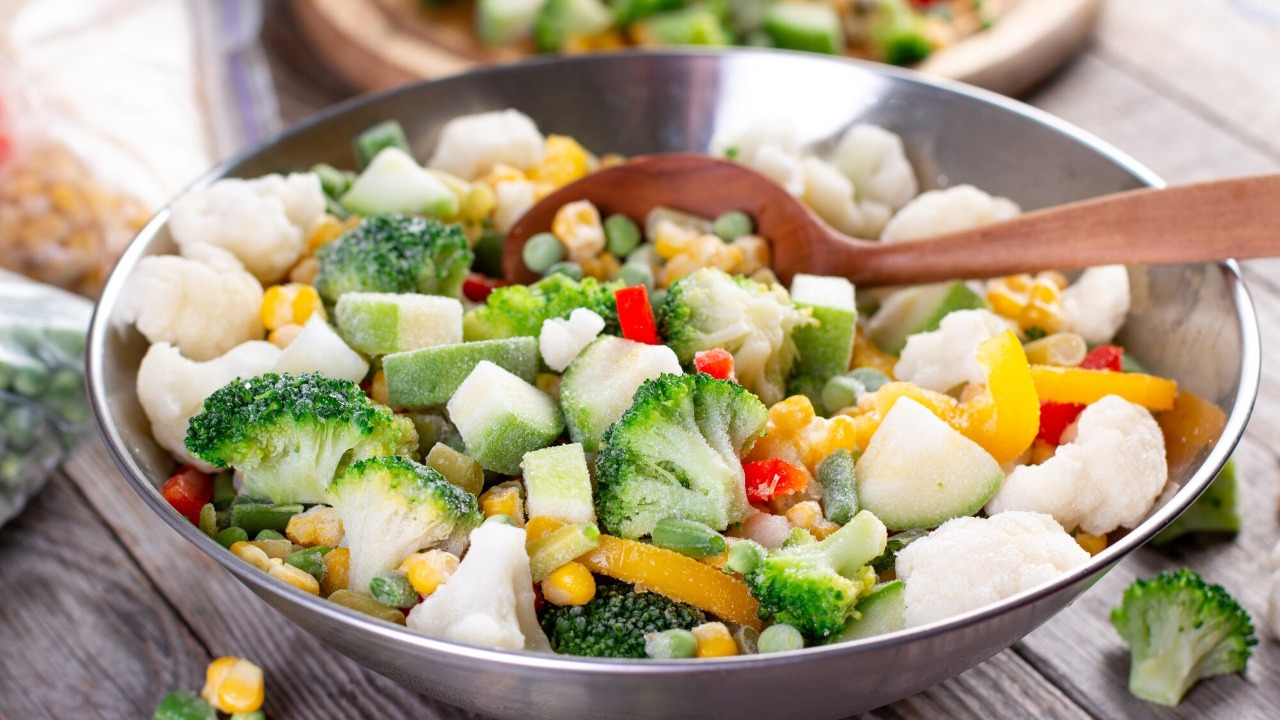
Pre-cut produce is popular for busy shoppers who want convenience, but that ease comes at a price. Compared to whole fruits and vegetables, the markup is often two or three times higher.
The added labor, packaging, and shorter shelf life drive up the cost, making pre-cut produce one of the most expensive ways to buy something you could easily prepare at home in minutes.
3. Prescription Drugs
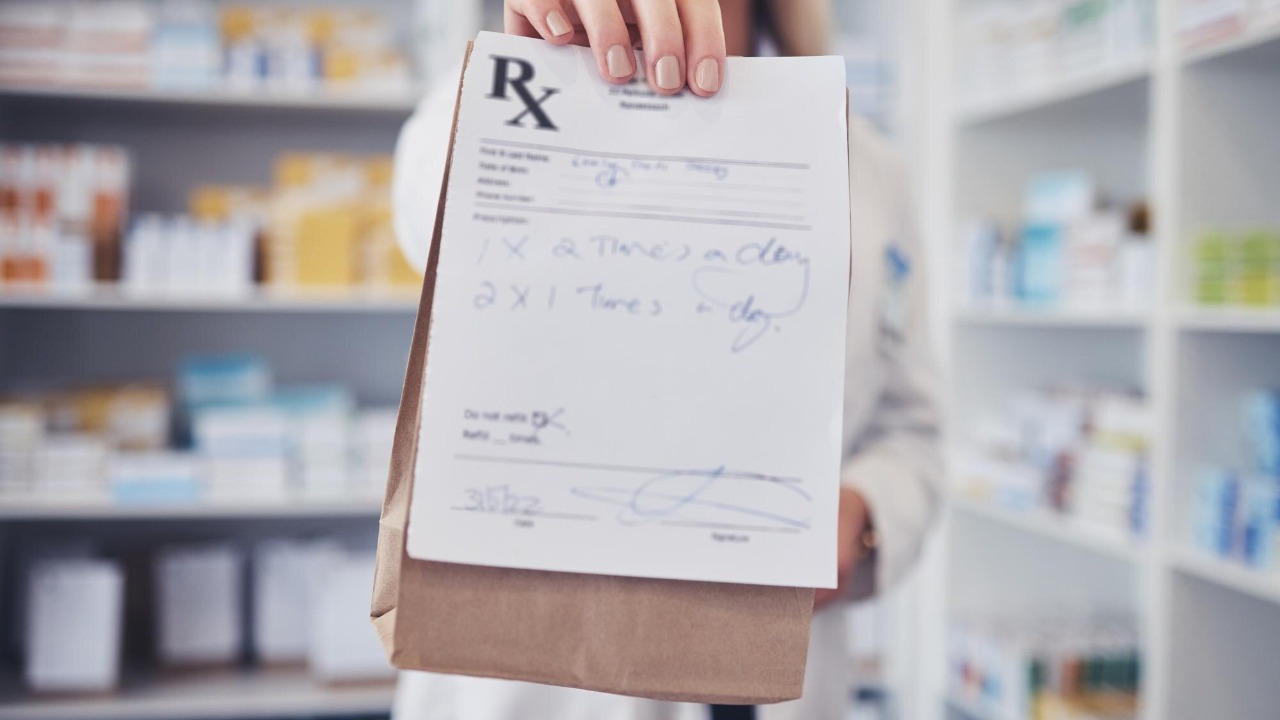
For many people, prescription drugs are non-negotiable necessities. Unfortunately, they are also some of the most expensive items in a household budget. Prices have steadily climbed over the years, often far outpacing inflation.
Brand-name medications in particular carry steep markups. Much of the high cost is attributed to research, marketing, and the lack of competition, leaving patients with little choice but to pay the price.
4. Coffee and Tea
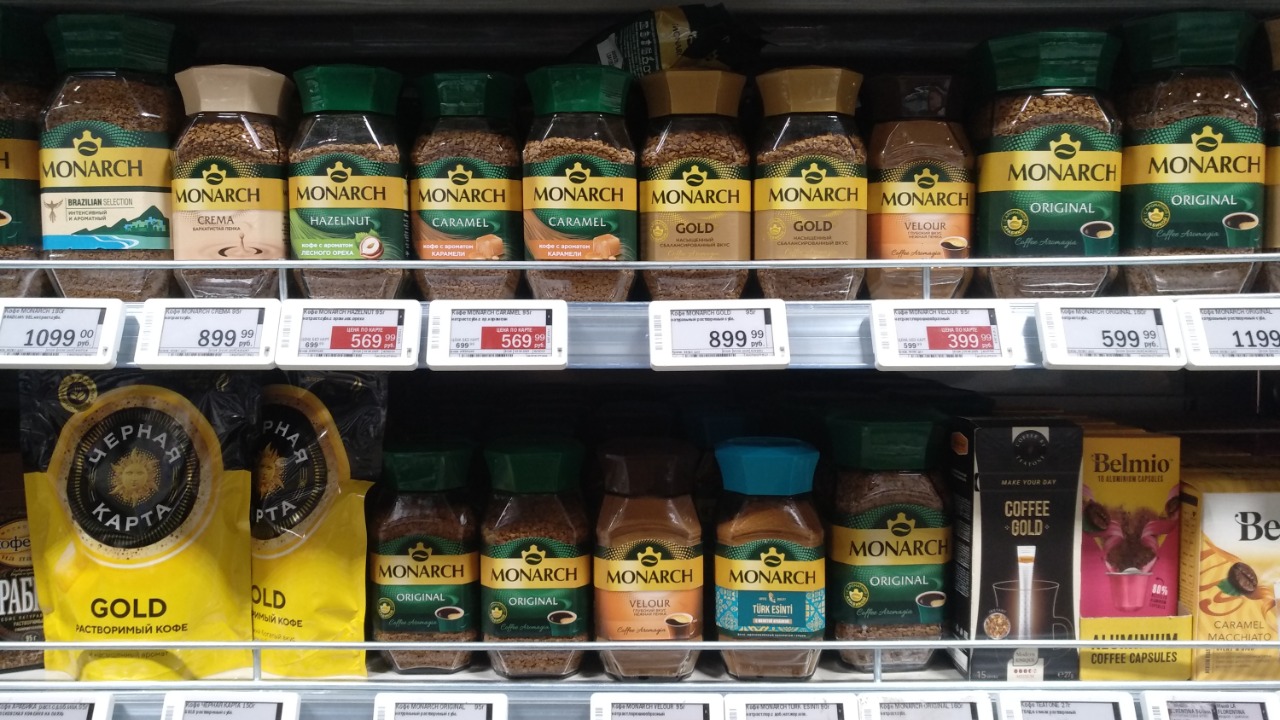
A cup of coffee or tea at home costs only pennies, but once purchased at a café the price can jump several dollars. The markup is less about the beans or leaves and more about labor, rent, and ambiance.
While many enjoy the café experience, the actual ingredients represent only a fraction of the price you’re paying.
5. Popcorn at the Movies

Movie theater popcorn is legendary — and so are its prices. Despite being made with inexpensive ingredients like kernels, oil, and salt, the cost is heavily inflated once you’re inside the theater.
Industry insiders estimate that the markup can be several hundred percent. The snack itself may only cost cents to produce, yet theaters rely on these concession profits to stay in business.
6. Greeting Cards
Greeting cards remain a go-to choice for birthdays, holidays, and special occasions. Yet the cost of a single card can feel out of proportion to its materials.
The markup comes largely from design, branding, and distribution. A simple folded piece of cardstock may retail for several dollars, making it one of the more surprising everyday expenses.
7. Printer Ink
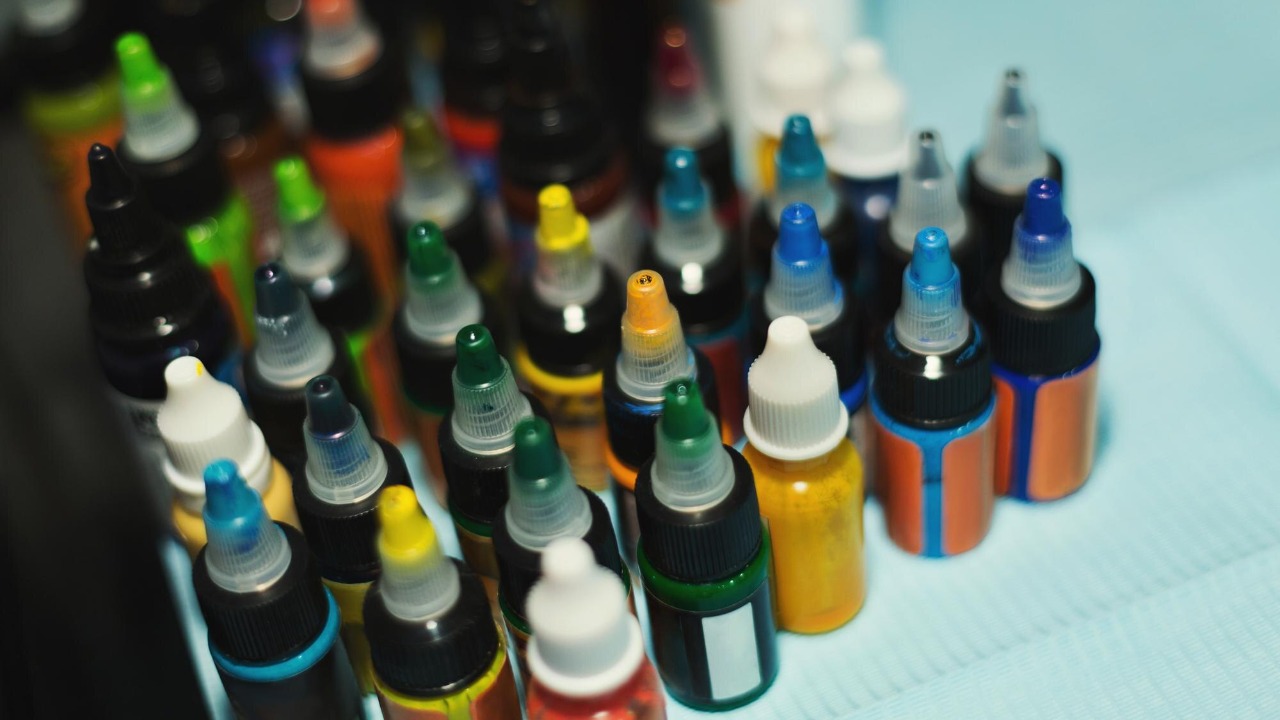
Printer ink is notorious for its cost, often rivaling luxury items on a per-ounce basis. Consumers are frequently surprised to discover that the cartridges can cost more than the printer itself.
Much of the markup comes from proprietary cartridge designs and limited competition. For households and businesses that print regularly, this becomes an ongoing and expensive necessity.
8. Restaurant Wine
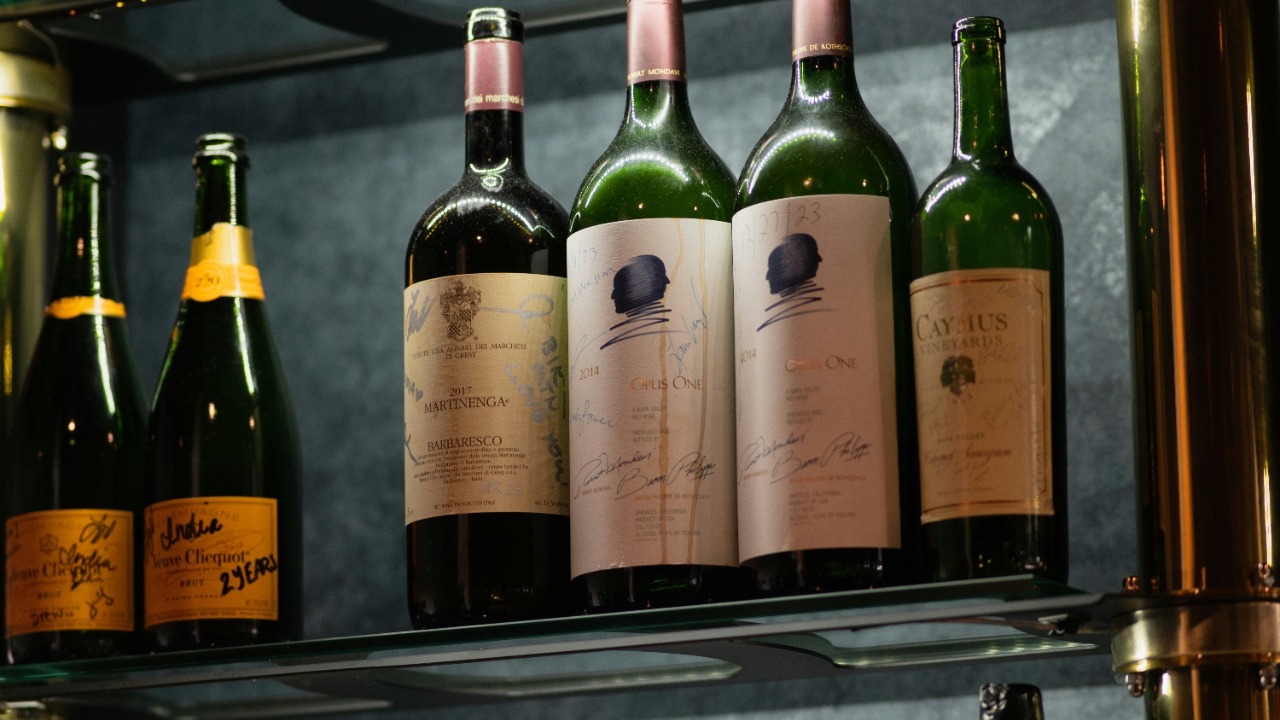
Ordering wine at a restaurant is often significantly more expensive than buying the same bottle in a store. Diners typically pay two to five times the retail price.
The markup covers storage, service, and the dining experience itself. While many don’t mind paying for the convenience, the price difference can be eye-opening when compared to retail shelves.
9. Eyeglasses
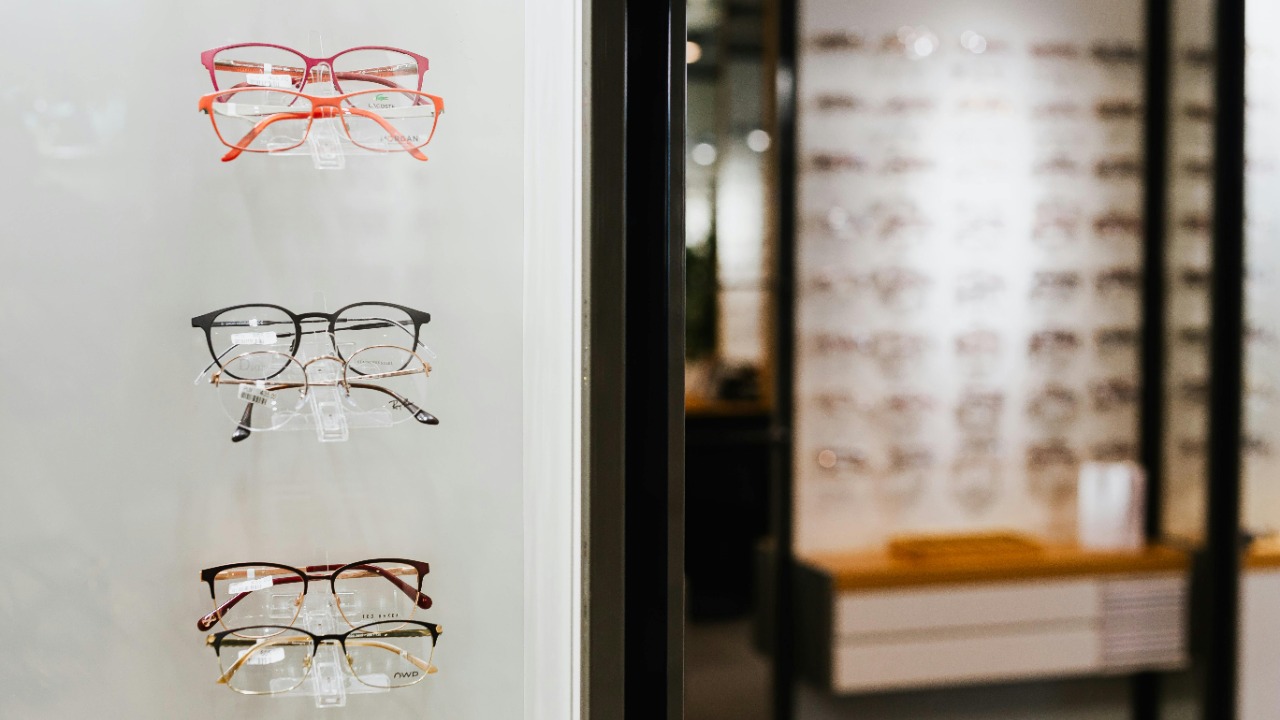
Eyeglasses are essential for millions of people, yet the price of frames and lenses is often shockingly high. What may cost a few dollars to manufacture can retail for hundreds.
Branding, licensing, and marketing drive much of the markup, meaning consumers often pay far more for style and label than the actual materials used to make their glasses.
10. College Textbooks

College textbooks are among the steepest costs for students after tuition and housing. A single book can cost hundreds of dollars, even when cheaper used or digital options exist.
The markup is driven by frequent new editions, limited competition, and bundled materials. Over the decades, textbook prices have risen far faster than inflation, making them one of the most inflated costs of higher education.
11. Designer Jeans
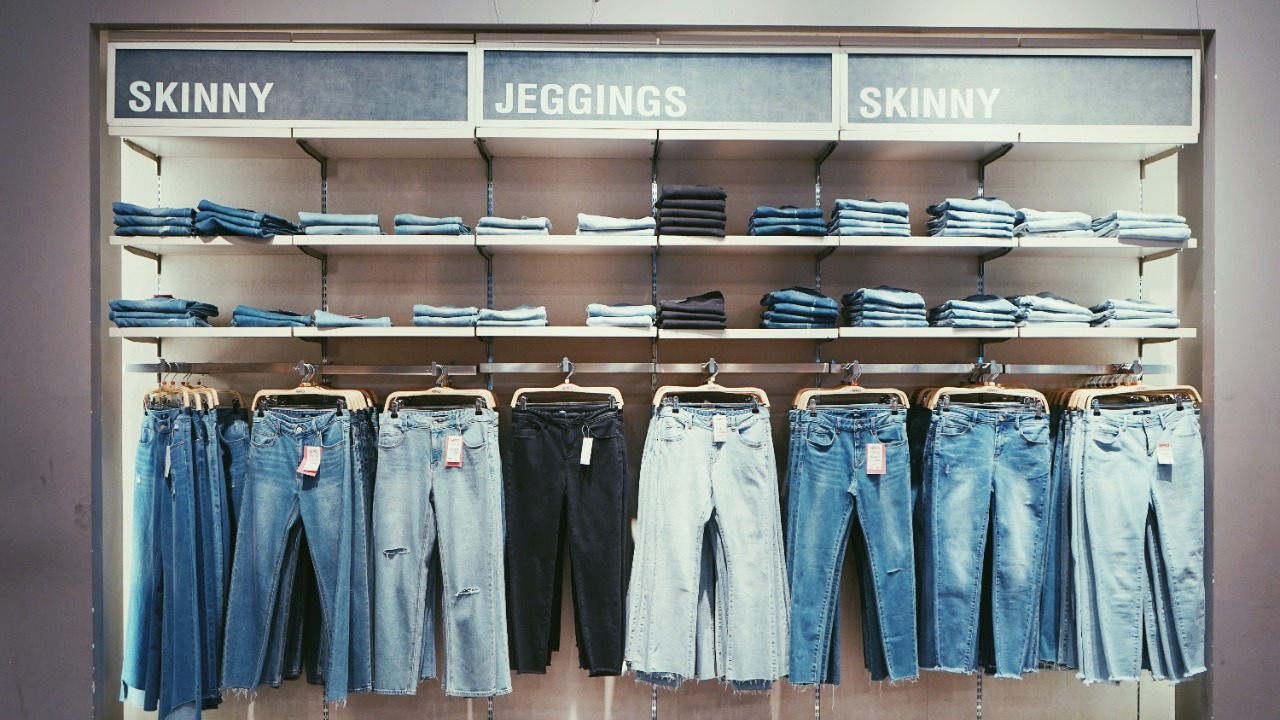
Designer jeans remain a fashion favorite, yet their retail price is often far higher than production costs. A pair that costs only a fraction to make may sell for hundreds of dollars in stores.
Most of that cost comes from the brand name, marketing, and exclusivity rather than the denim itself. For many, the appeal is as much about the label as the garment.