Homemade Pistachio Pesto with Basil
As an Amazon affiliate, I earn from qualifying purchases.
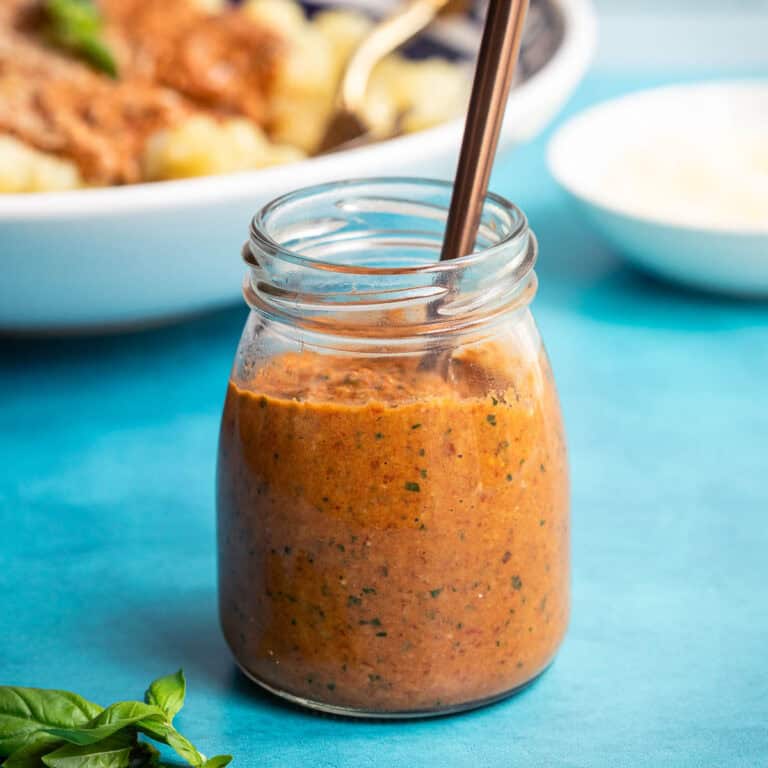
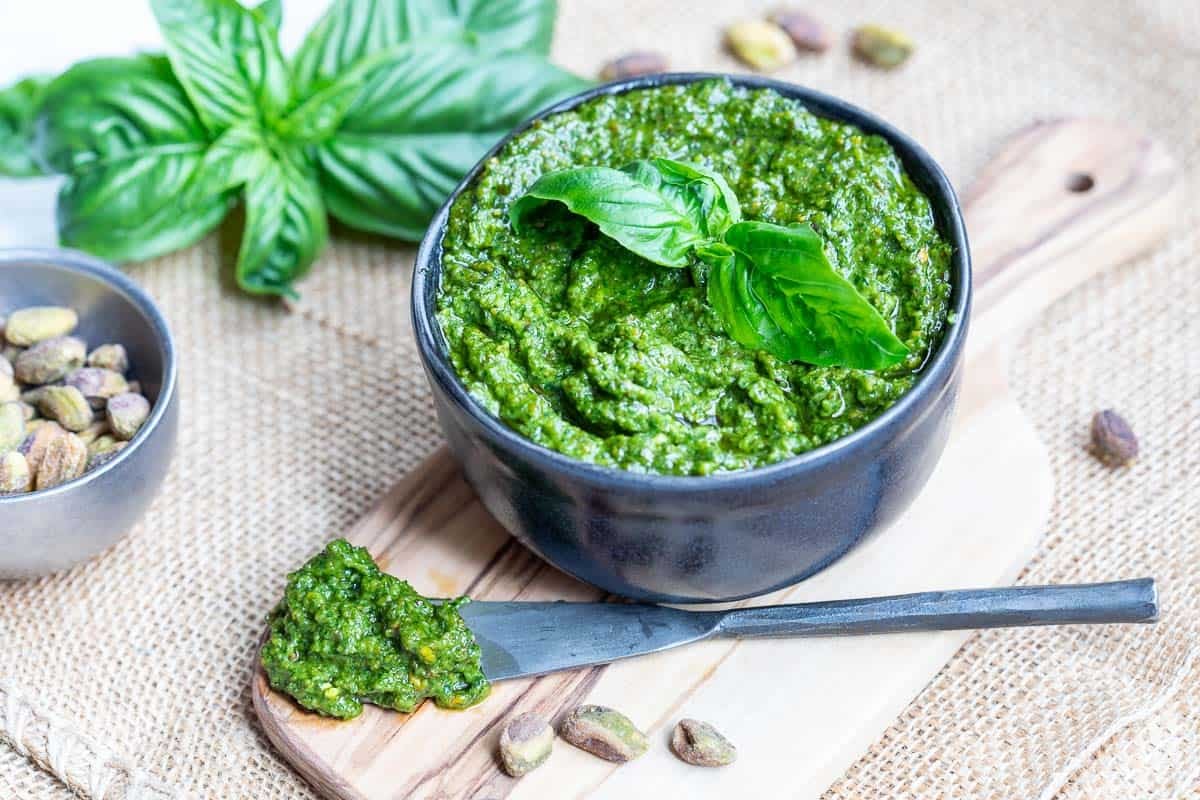
This Pistachio Pesto is bright, nutty, and comes together in your food processor in under 10 minutes flat. Great for so many uses from spreading on pizza dough, tossing with pasta, spreading on a sandwich, and more.
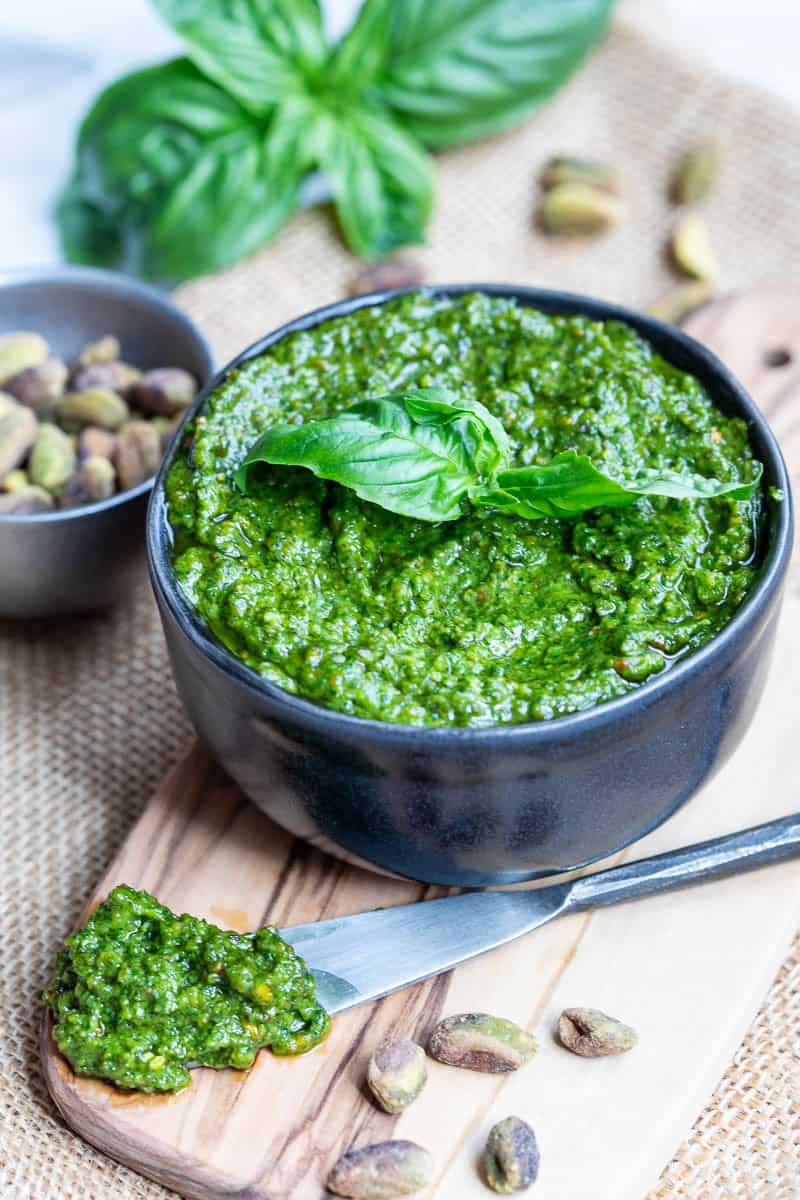
During my 10+ years as a personal chef, I was always looking to put a creative twist on classic recipes. Using pistachio nuts instead of traditional pine nuts in pesto is a great example. I could use it in all the places you normally find pesto, but that unique (and delicious!) flavor always had my clients asking how I made just a simple pasta recipe or homemade pizza taste so good. The secret is out with this simple pistachio pesto recipe!
Jump to:
Why You'll Love This Pistachio Pesto
- So Easy: Ready in 10 minutes or less, with just a food processor.
- No Toasting Required: These pistachios come already roasted, so you skip the toasting step often required for pine nuts.
- Freezer Friendly: Make a big batch now and freeze it in cubes for whenever you need a shortcut.
- So Many Uses: Pizza, pasta, sandwiches, crostini, eggs, marinades, even pesto salad dressing.
Pistachio Pesto Ingredients
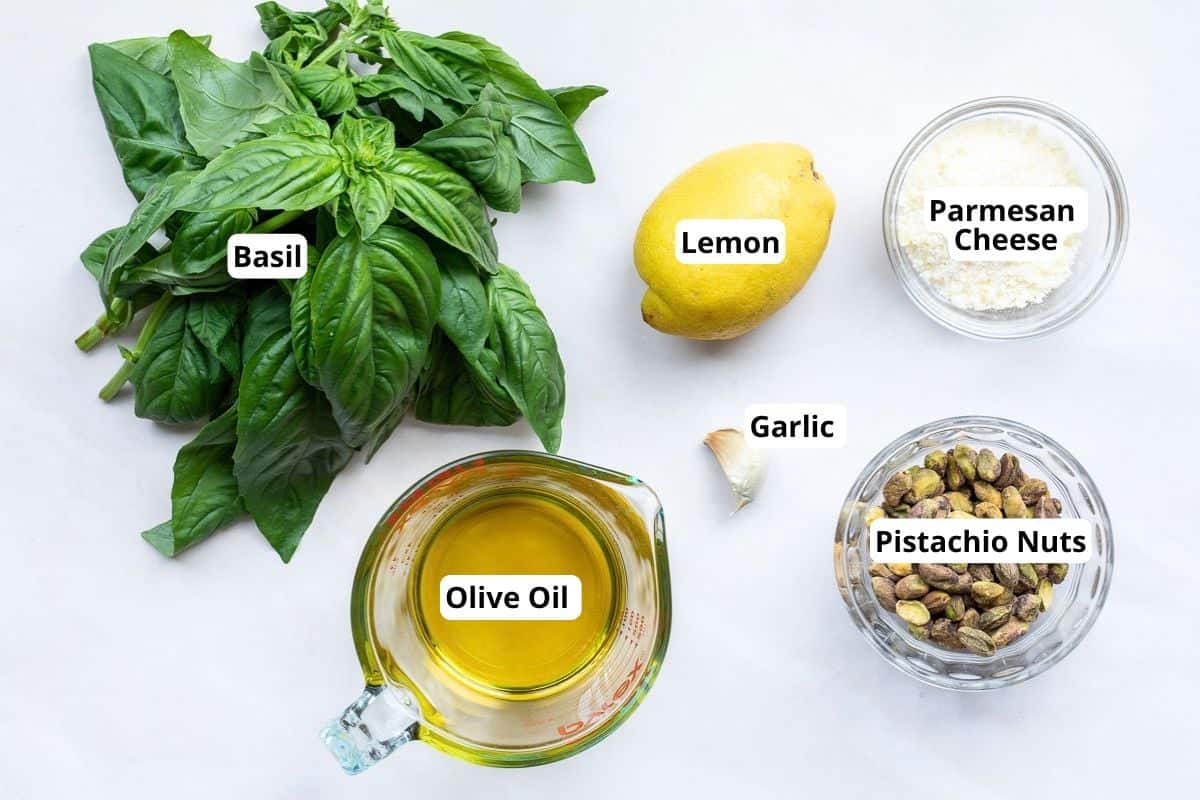
- Pistachios: I use roasted, salted pistachios here. Fine to use unsalted pistachios, though you may need to add extra salt.
- Basil: Fresh basil leaves are always my first choice for homemade pesto, but you could try other versions as well. Arugula leaves and baby spinach leaves can work well for pesto too. And try subbing in some ramp leaves as in my Ramp Pesto recipe.
- Lemon Juice and Zest: Use a fresh lemon so you get both the juice and the zest. The combination adds such great flavor to the pesto, much more so than storebought lemon juice.
- Parmesan Cheese: Use a high-quality grated parmesan cheese or (even better) grate it yourself. I love Trader Joe’s grated parm, for a top-notch grated parmesan that won’t break the bank. Pecorino Romano cheese is a good swap option.
- Extra-Virgin Olive Oil: Use a good quality olive oil since it's such a big part of the flavor here. You can add a bit more than called for if you want a looser, more pourable pesto sauce.
- Garlic (optional): This is optional, but I almost always include it. Leave it out if you're serving raw garlic-sensitive guests or just prefer a milder pesto.
How to Make Pistachio Pesto
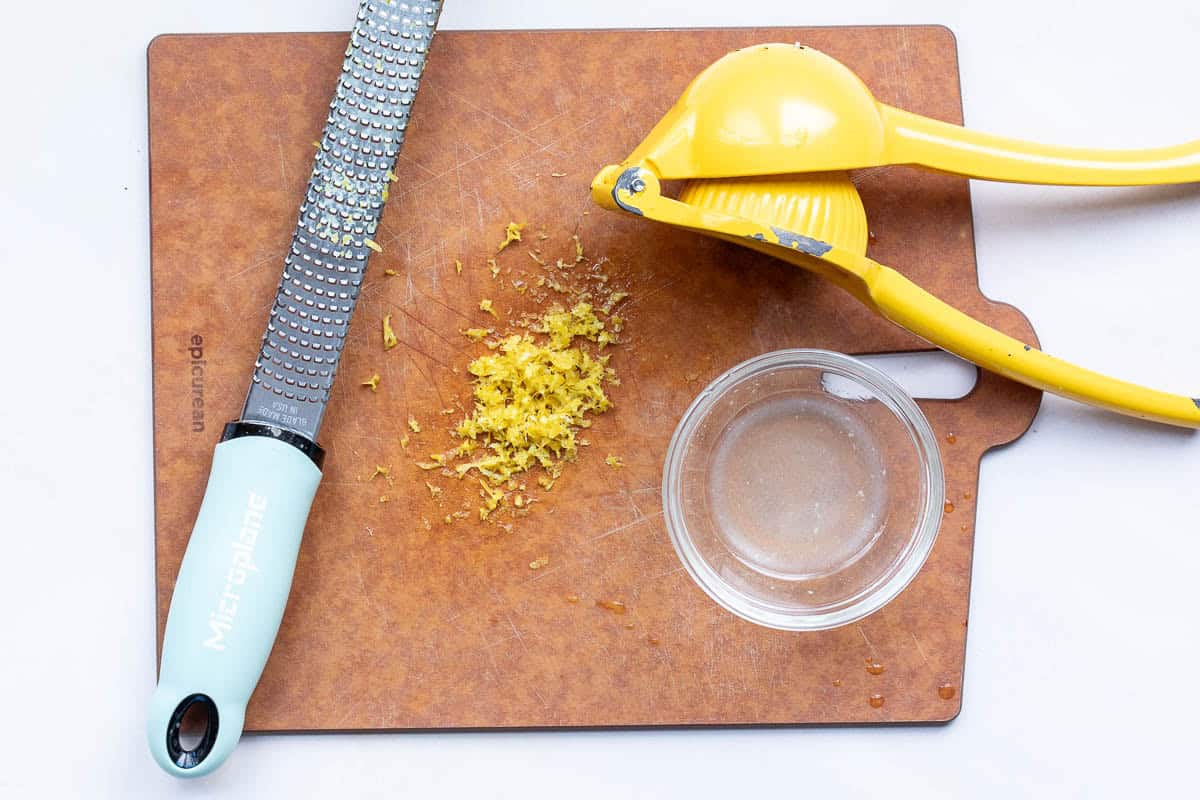
- Zest and juice a lemon until you have 1 tablespoon lemon juice and 1 teaspoon lemon zest.
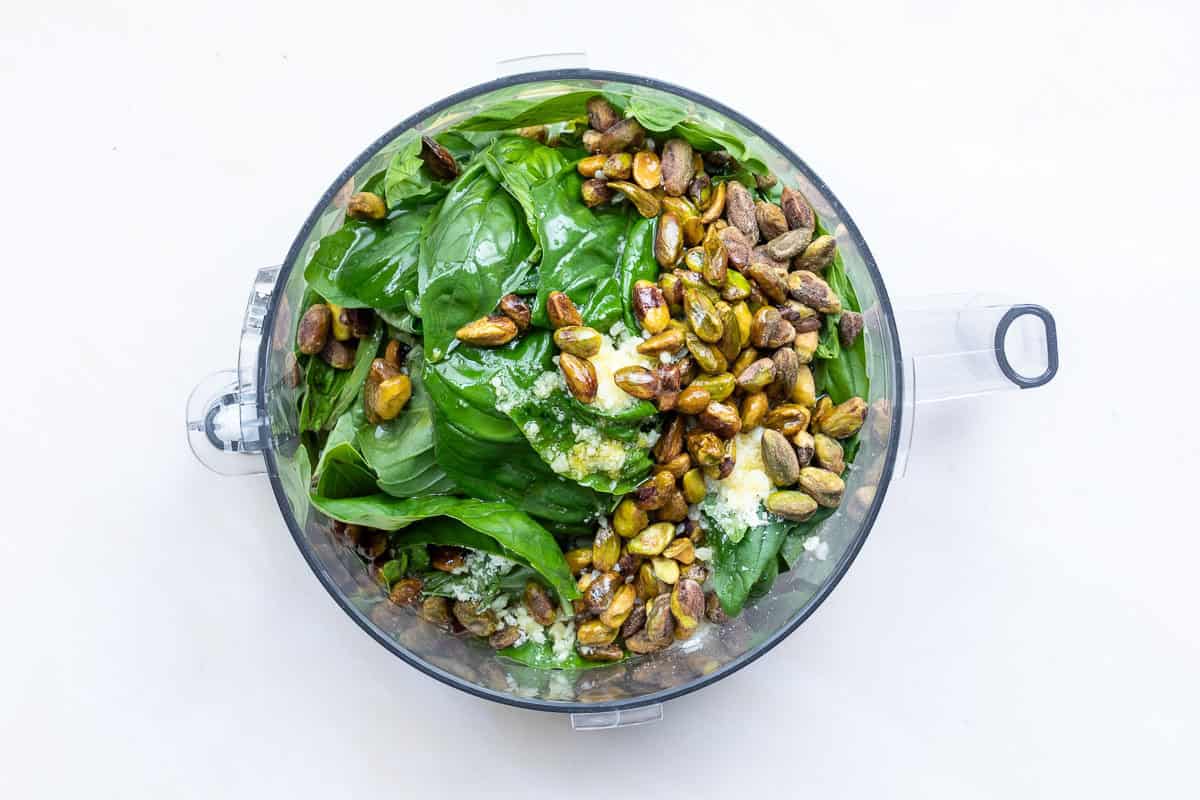
- Add ½ cup shelled, roasted, and salted pistachios, 2 cups packed basil leaves, 1 tablespoon lemon juice, 1 teaspoon lemon zest, ¼ teaspoon kosher salt, ¼ cup grated Parmesan cheese, 3 ounces (6 tablespoons) olive oil, and 1 garlic clove (if desired) to a food processor.
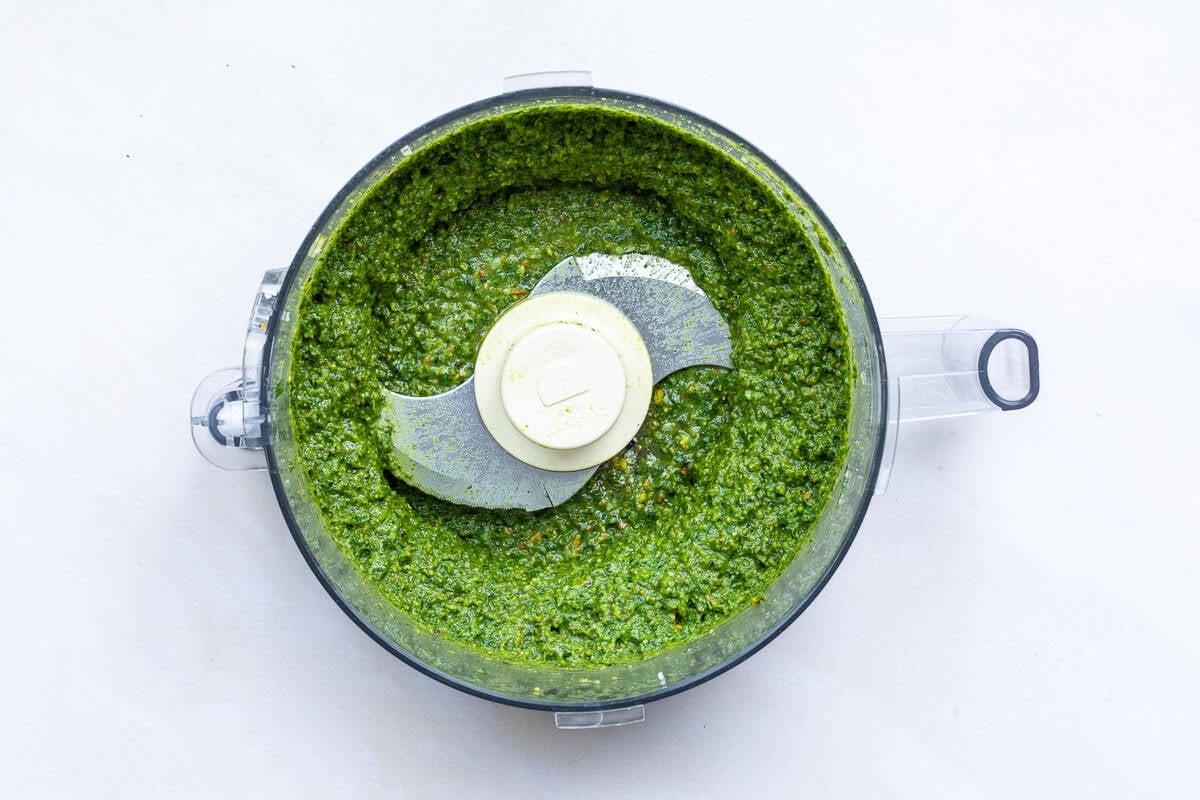
- Blend until smooth, scraping down the sides of the bowl a couple of times so everything gets incorporated evenly into a smooth paste.
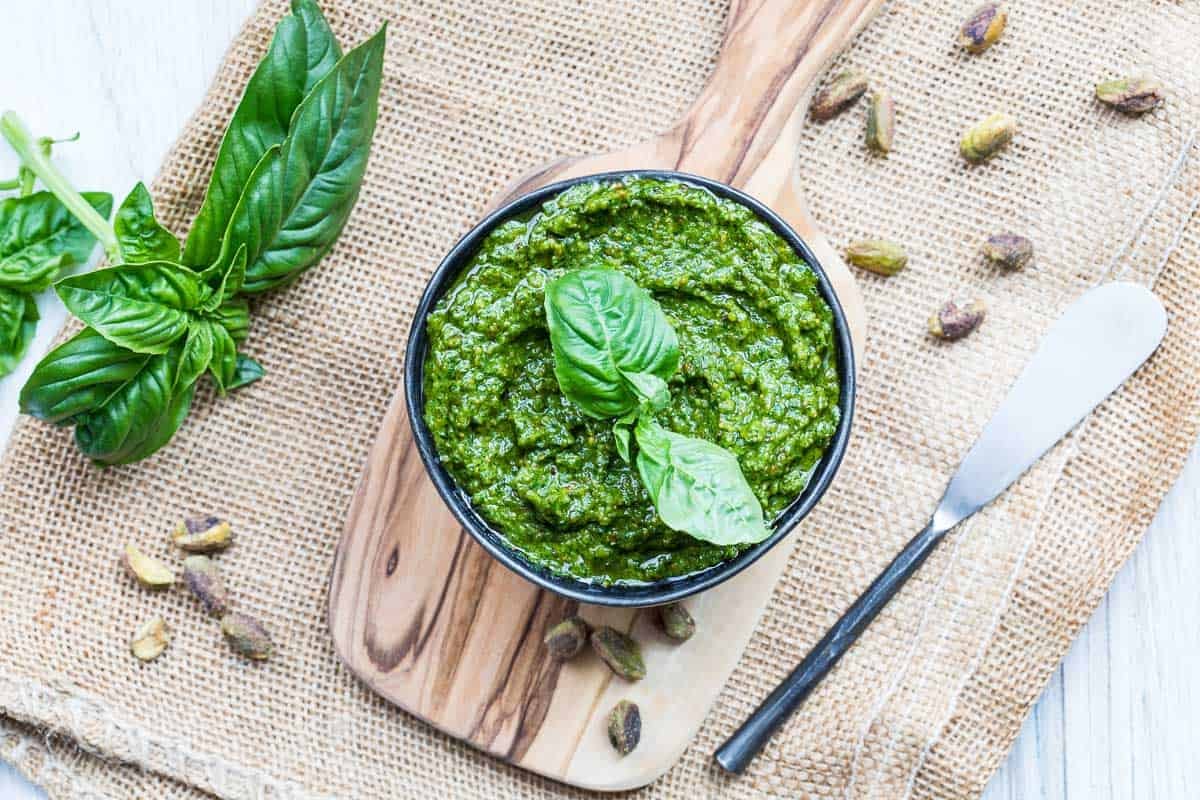
- Taste and adjust. If you want a looser, more pourable pesto, add more olive oil a tablespoon at a time until it's the consistency you want.
Storage Tips
Pesto can be refrigerated in an airtight container or jar for 3 to 5 days. Most herb pestos will turn brown after a little time in the fridge, so if you're making this ahead, press a layer of plastic wrap directly onto the surface of the pesto before you put the lid on, or cover the top with a thin layer of olive oil.
If you want to keep it longer, this pesto freezes beautifully for up to 3 months. One of my favorite tricks is to freeze it in ice cube trays, then pop the frozen cubes into a freezer bag once they're solid. That way you can pull out exactly as much as you need, whenever you need it.
Pistachio Pesto FAQs
You can, but the flavor will be a little milder. Try toasting them in a dry skillet before adding them to the food processor. And, if they are unsalted, you may need to add some extra salt to the recipe.
Yes, walnuts or pine nuts both work well if you want to swap them in, though they will have a different flavor and texture. Try almonds and toasted pecans as well. Toast them first if you can.
Pesto turning brown is due to oxidation, the same thing that happens to apple slices when they sit out. The pesto is still safe to eat, and you may find that the pesto underneath the top layer is still green. In the future, pressing a piece of plastic wrap onto the surface of the pesto or topping it with a layer of oil before refrigerating will help it stay bright green longer.
Expert Tips

- Pistachios can vary in saltiness from brand to brand, so taste your pesto before you add the full amount of kosher salt and adjust from there.
- One of the best things about making your own pesto is that you can make it exactly as you like it. You can alter almost all of the quantities in this recipe as you like. Reduce the lemon juice or zest if you’re not a big lemon fan. Add in more cheese if you love parm. Use the garlic clove or not. Add barely enough oil to form a paste or whisk in so much that it’s basically a dressing. Up to you! You can also try adding in some fresh herbs.
- Make a ½ batch if you don’t need a full cup of pesto, or a larger batch if you want to have some leftover to freeze. In the case of a small batch, as in this Lemon Basil Pesto recipe, use a mini food processor if you have it.
- If you don’t have a food processor, you can go old-school and use a mortar and pestle. Or try using an immersion blender. You may not get a completely smooth texture, but it will still taste delicious!
- Got extra pistachios? Use them in this Herbed Goat Cheese with Pistachios or as a topping for Ginger Carrot Soup or Burrata Caprese Salad.
What to Do with Pistachio Pesto
You can use this pesto in any recipe that calls for traditional pesto. Here are a few of my favorite ways to use it:
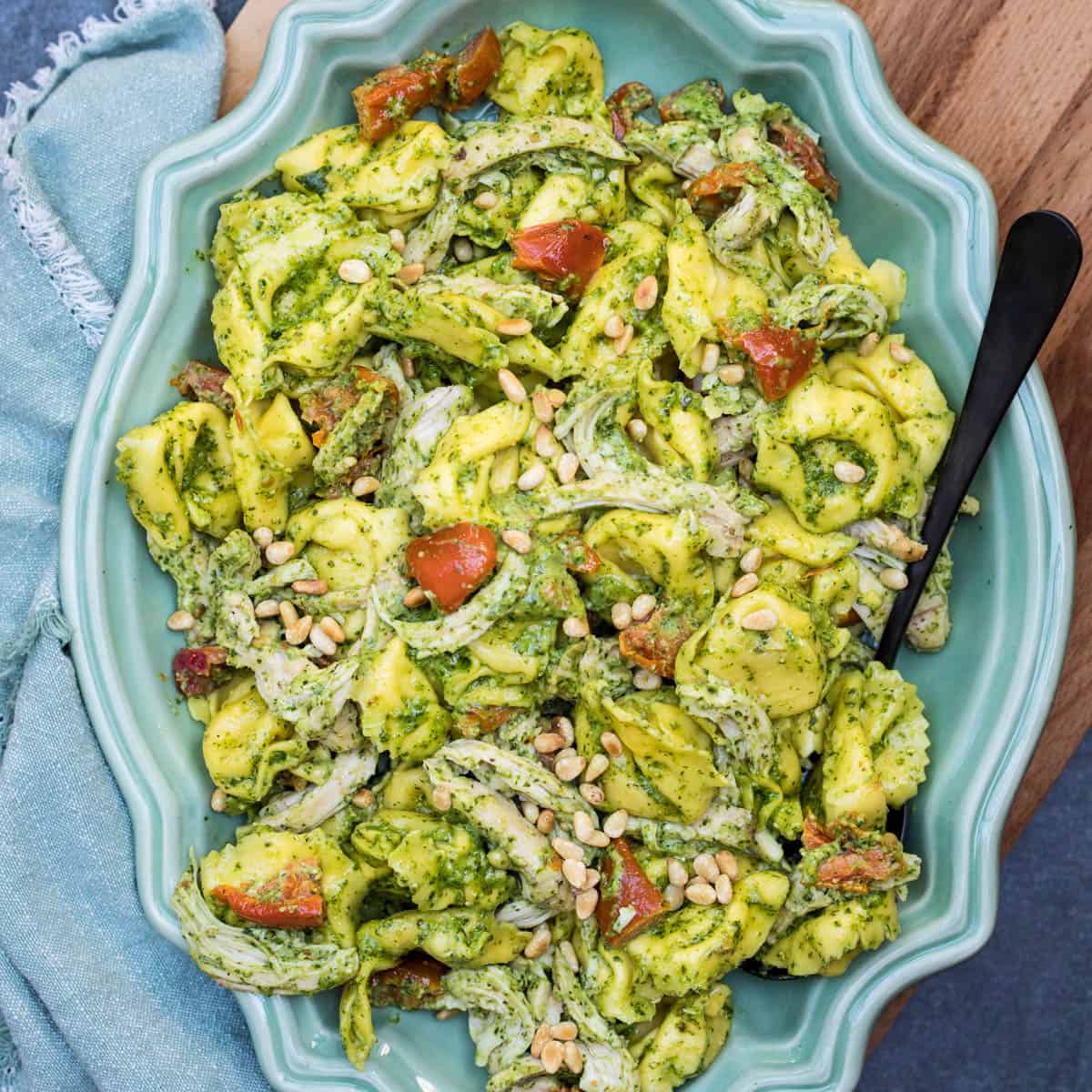
- Make pistachio pesto pasta or gnocchi, or sub it for regular pesto sauce in this Tortellini Caprese Salad or this Orzo Pesto Pasta
- Spread it on crostini and top with sliced tomatoes and fresh mozzarella cheese
- Use it as a dip for steamed shrimp
- Spread it on pizza dough or flatbread instead of tomato sauce
- Make Caprese Crepes and garnish with chopped pistachios
- Dollop it on scrambled eggs
- Use it as a sandwich spread
- Serve it on chicken, fish, or steak, or use it as a marinade
- Toss it with roasted potatoes or in potato salad
- Add more olive oil and drizzle on white beans
- Try it as a dressing for grain bowls
Other Pesto Recipes You'll Love
I love using pesto in all kinds of recipes. The following recipes are delicious with this pistachio basil pesto or whatever pesto you prefer!
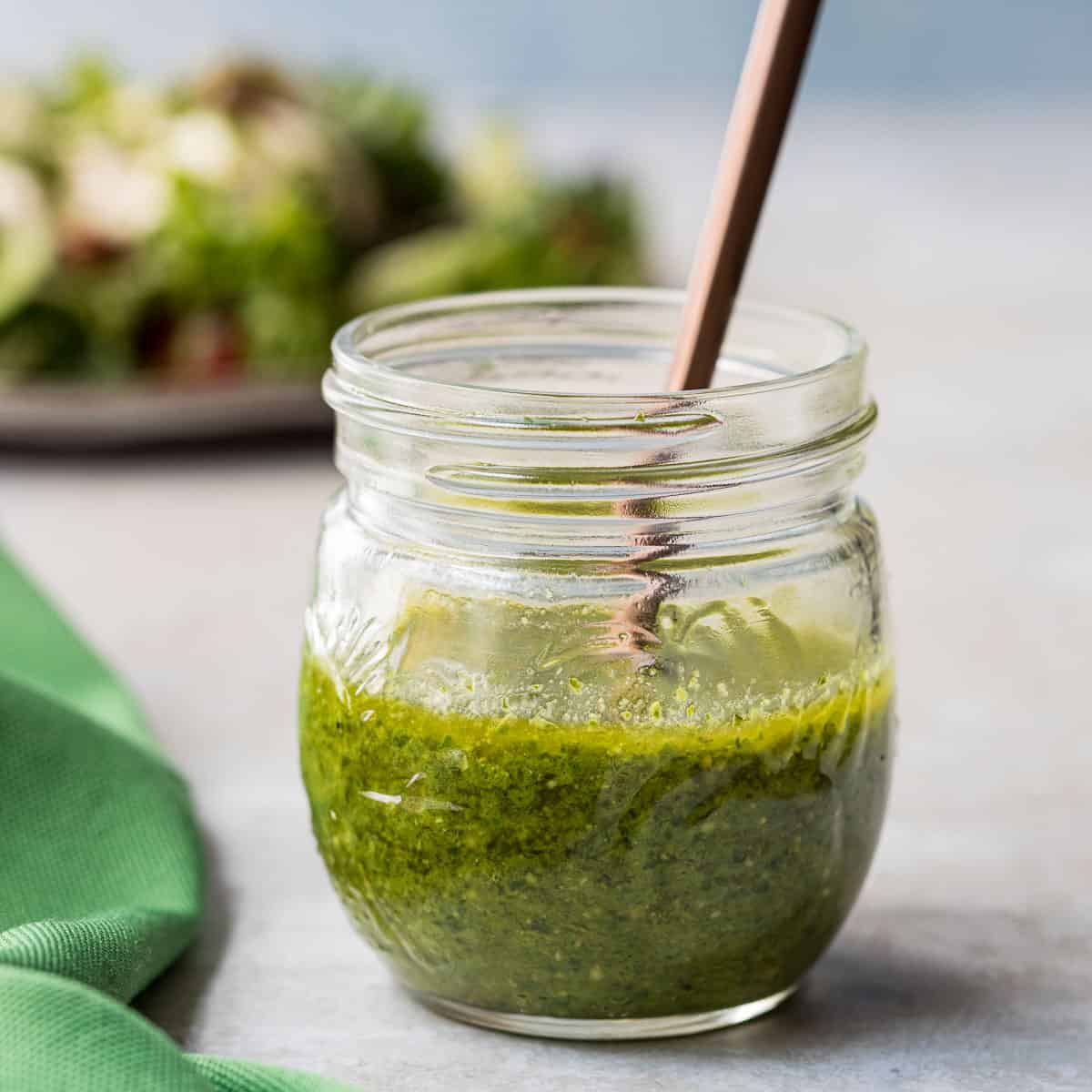
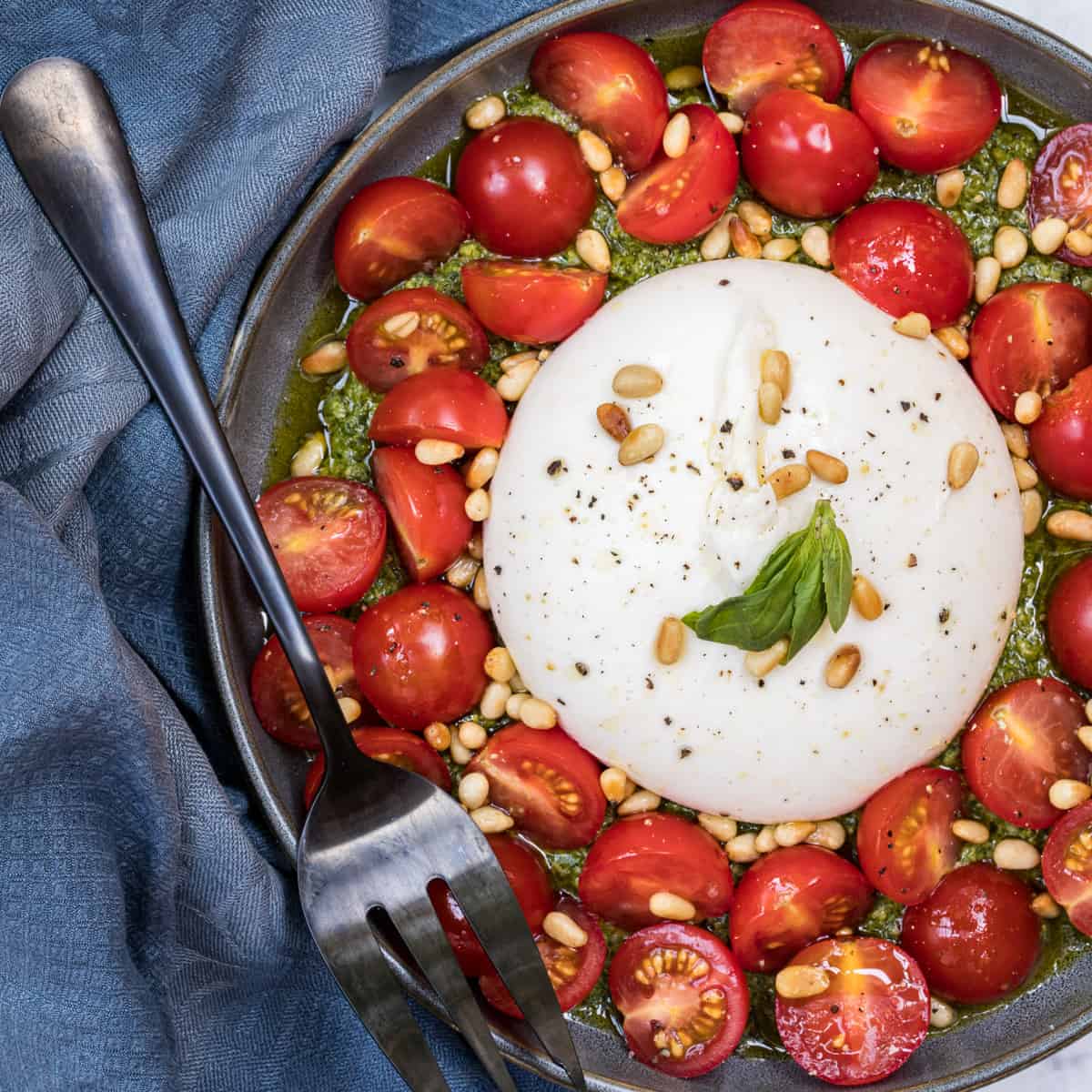
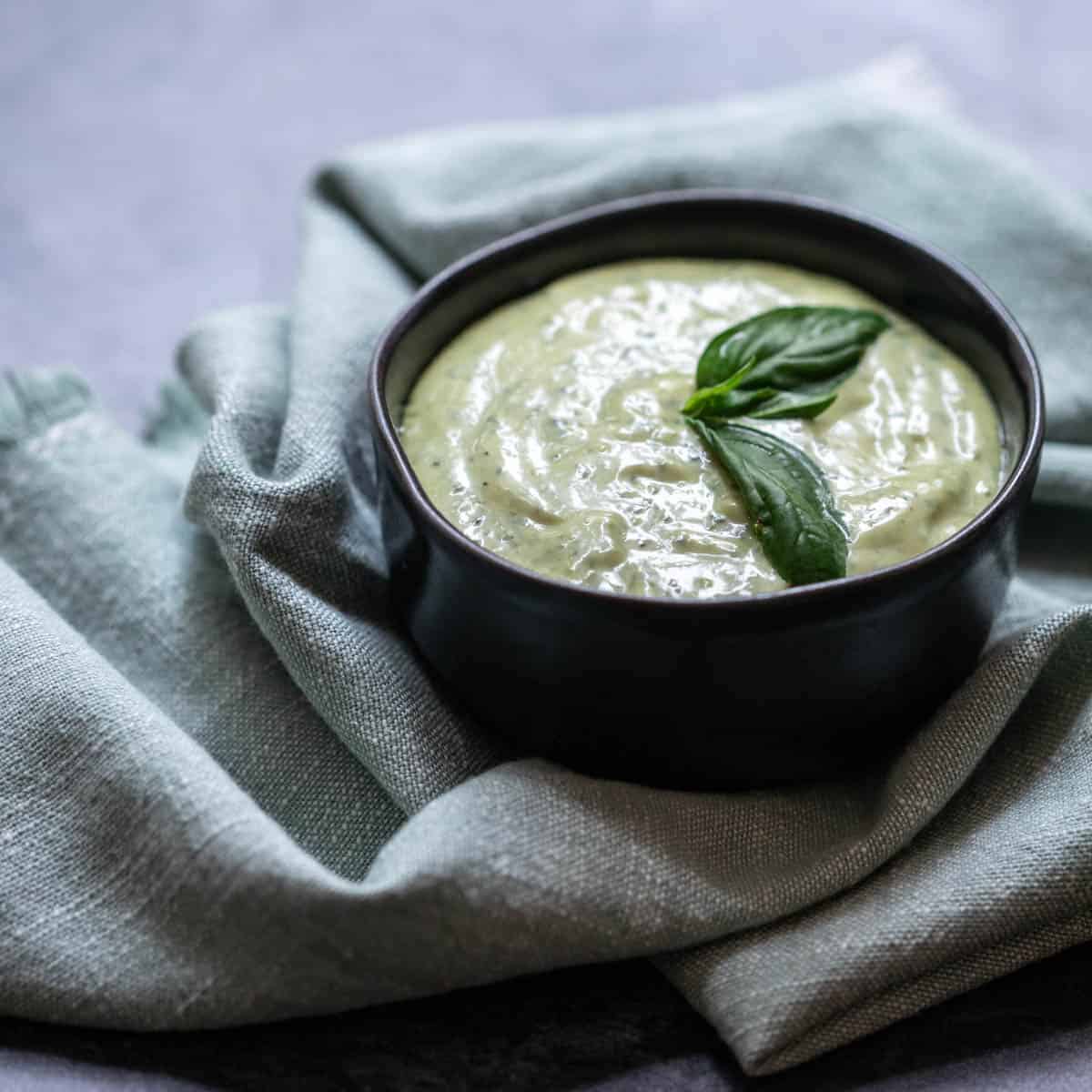
If you try this Pistachio Pesto recipe, I would love to hear from you! Please rate this recipe and leave a comment below. I read them all, and your feedback is invaluable to me.
And please follow along on Instagram, Pinterest, and Facebook or subscribe to my newsletter. I’d love to inspire you with more delicious, healthy, and seasonal recipes!
Instagram Users: Now that you've made this pistachio pesto recipe, tag me @vanillabeancuisine or #vanillabeancuisine because I’d love to see your results!
📖 Recipe
Want to Save This Recipe?
Enter your email & I'll send it to your inbox. Plus, get great new recipes from me every week!
By submitting this form, you consent to receive emails from Vanilla Bean Cuisine.
Pistachio Pesto
Ingredients
- ½ cup shelled pistachio nuts (roasted and salted)
- 2 cups packed basil leaves
- 1 tablespoon lemon juice
- 1 teaspoon lemon zest
- ¼ teaspoon kosher salt
- ¼ cup grated Parmesan cheese
- 3 ounces olive oil more if necessary
- 1 garlic clove optional
Instructions
- Combine pistachios, basil leaves, lemon juice, lemon zest, salt, Parmesan cheese, olive oil, and garlic clove (if desired) in a food processor.
- Blend until smooth, scraping down the sides a couple of times.
- If you want a looser pesto, feel free to add more olive oil.
Notes
Nutrition
More About Molly

Cooking healthy(ish) meals with seasonal ingredients is my passion. Trained as a French pastry chef, I spent over 10 years as a personal chef. Here you'll find well-tested recipes that you and your family will love!